
Finding the perfect journaling notebook is a highly personal journey that balances tactile comfort, visual aesthetics, and technical performance. In the world of stationery, three brands frequently dominate discussions among journaling enthusiasts: Kinbor, Muji, and Midori. There is no single “best” brand for every writer; the ideal choice depends heavily on the writing instruments you prefer—such as gel pens, fountain pens, or ballpoints—and your specific journaling style. Generally, Kinbor offers budget-conscious versatility with a wide range of creative, structured designs. Muji provides consistent, minimalist, and highly reliable paper for everyday writing tasks. Midori delivers a premium, sensory experience highly favored by fountain pen enthusiasts who appreciate ink shading and paper texture. Because paper characteristics can vary significantly across different product lines within the same brand, it is crucial to check specific model specifications rather than relying solely on the brand name.
Key Paper Dimensions to Evaluate for Journaling
To choose the right notebook, you must understand the technical attributes of paper and how they interact with your writing tools. Evaluating paper quality goes beyond simply feeling the page; it involves understanding how the paper fibers are processed, coated, and bound. By mastering these criteria, you can predict how a notebook will handle your favorite pens before you ever lay ink on the page.
Paper Weight (GSM) and Thickness
Paper weight is measured globally in grams per square meter (GSM), a metric that indicates the density and thickness of the paper sheet. Standard notebook paper typically ranges from 50 GSM to over 120 GSM. A higher GSM generally translates to thicker, stiffer pages with greater opacity, which helps prevent the shadow of your writing from showing through to the other side. However, a high GSM also adds physical bulk and weight to the notebook, which can make it less portable and more difficult to lay flat when writing near the binding. For those who carry their journals daily, balancing paper weight with portability is a key consideration. It is always wise to check the manufacturer’s official specifications on the packaging or online store listings, as GSM can vary significantly between a brand’s entry-level student notebooks and their premium, archival-grade series.
Products mentioned in this guide
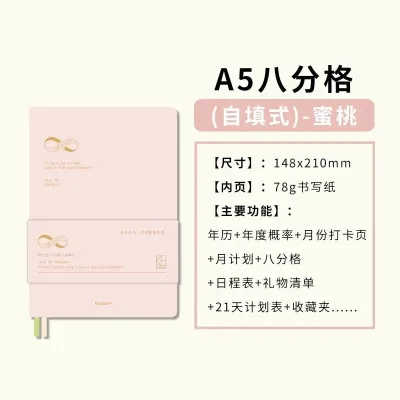
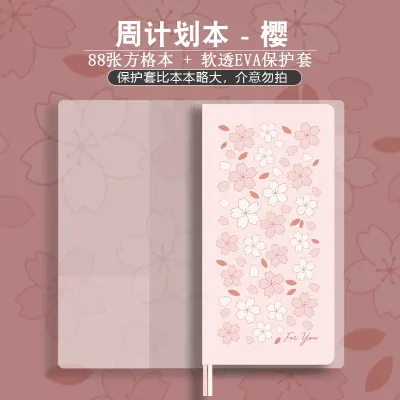
Prices are valid at publication and may change. Please refer to the product page for the latest price.
Bleed-Through, Feathering, and Ghosting
When evaluating paper for liquid inks, three distinct phenomena determine the quality of your writing experience: bleed-through, feathering, and ghosting. Bleed-through occurs when ink penetrates completely through the paper fibers, emerging as spots or pools on the reverse side of the page, which often renders that side unusable. Feathering happens when ink spreads laterally along the paper fibers, causing the edges of your letters to look fuzzy, thick, or distorted instead of sharp and clean. Ghosting, also known as show-through, is when the shadow of your writing is visible on the back of the page, even though the ink has not physically broken through the surface. Resistance to these issues is determined by the complex interplay of paper coatings (sizing agents), ink viscosity, and pen nib size. If you prefer wet writing instruments like fountain pens, rollerballs, or liquid ink highlighters, look for product descriptions that explicitly mention “fountain pen friendly,” “ink resistant,” or “sized paper” rather than assuming all notebooks from a single brand perform identically.
Paper Texture and Tooth
The tactile feedback you feel as your pen glides across the page is determined by the paper’s texture, often referred to by stationery enthusiasts as “tooth.” Very smooth, highly calendered papers minimize friction, allowing fine-tipped gel pens and fountain pens to slide effortlessly without catching or skipping. While smooth finishes are excellent for fast, effortless writing, they can sometimes cause slower ink drying times because the ink sits on top of the paper coating rather than absorbing immediately. Conversely, paper with more tooth or texture provides subtle resistance, offering greater control and feedback. This textured surface is highly valued by those who write with pencils, fine liners, or brush pens, as well as calligraphy practitioners who require precise control over their strokes. Because texture preference is entirely subjective, the best approach is to physically handle the paper or read detailed user reviews that describe the tactile feedback of specific notebook lines.
Brand Positioning: Kinbor, Muji, and Midori in Practice
Understanding how these three brands position their products helps narrow down your choices based on your budget, aesthetic preferences, and daily writing environment. Each brand targets a distinct segment of the stationery market, utilizing different manufacturing philosophies and paper formulations to appeal to different types of journalers.

Kinbor: Accessible and Versatile Options
Kinbor has established a strong reputation in the journaling community for offering highly versatile, budget-friendly notebooks that closely mirror the layouts of high-end planning systems. Often sought out on online marketplaces, Kinbor notebooks are available in popular sizes like A5 and A6, featuring diverse formats including daily grids, weekly planners, and blank pages. The brand is particularly famous for its colorful, patterned fabric covers and creative themes, making it an appealing choice for those who enjoy a vibrant, personalized journaling aesthetic. However, because Kinbor focuses on affordability and variety, the paper quality and coatings can vary noticeably across their different product lines. Some of their notebooks utilize lightweight paper (around 52 GSM to 80 GSM) that performs surprisingly well with standard gel pens and fine-tipped ballpoints, while other basic lines may exhibit ghosting or minor feathering when subjected to wet fountain pen inks or heavy water-based markers. If you plan to use wet media, it is essential to verify the specific paper weight and intended use case of the exact Kinbor model you are purchasing.
Muji: Minimalist and Reliable Everyday Paper
Muji is globally recognized for its minimalist, no-nonsense design philosophy, offering stationery that prioritizes utility, clean aesthetics, and excellent value. Muji’s notebooks are staple items for students and professionals alike, appreciated for their simple cardboard or plastic covers and standard sizing (typically A5, B5, and A6). Muji’s standard notebook lines generally feature smooth, reliable paper that performs exceptionally well with everyday writing tools, such as the brand’s own popular gel ink pens and standard ballpoints. The paper is designed to dry relatively quickly, making it ideal for rapid note-taking and daily journaling. However, Muji’s standard, budget-friendly paper lines are not primarily engineered for heavy liquid inks. If you use wet fountain pens, highly saturated brush pens, or alcohol-based highlighters, you may experience ghosting or slight bleed-through. To avoid this, look for Muji’s specialized high-quality paper series (often labeled as “high-grade” or “high-quality paper” on the packaging), which features a higher GSM and superior sizing to handle a wider variety of demanding inks.
Midori: Premium Experience for Ink Enthusiasts
Midori represents the premium tier of Japanese stationery, dedicated to creating an exceptional sensory experience for writers who view journaling as a cherished ritual. The cornerstone of their notebook line is the legendary MD Paper, which was developed in-house in the 1960s and has been continuously refined ever since. Midori notebooks feature a striking, minimalist aesthetic, often bound with a visible cheesecloth spine that allows the book to lay completely flat on your desk. The paper itself is available in signature cream and white shades, designed to be gentle on the eyes. Midori’s MD Paper is highly celebrated among fountain pen enthusiasts because it is meticulously engineered to resist feathering and bleed-through, even when subjected to broad, wet nibs and highly saturated inks. The paper possesses a unique, subtle tooth that provides a satisfying whisper as you write, offering a perfect balance of feedback and smoothness. While Midori’s premium performance comes with a higher price point (typically ranging from S$12.00 to S$30.00 depending on the size and binding), it remains the gold standard for those who prioritize paper quality above all else. Always ensure you are purchasing the specific MD Paper series, as Midori also produces other notebook styles with different paper formulations.
Decision Framework: Which Notebook Should You Choose?
To help you navigate these options and select the ideal notebook for your desk, consider the following structured guide based on your primary writing tools, budget, and aesthetic preferences.
- Choose Kinbor if:
- You are looking for a highly cost-effective notebook that offers structured planning layouts (such as daily grids or weekly spreads) without a premium price tag.
- You love colorful, artistic fabric covers and prefer a notebook that feels like a personalized accessory.
- Your primary writing instruments are standard gel pens (such as 0.38mm or 0.5mm tips), fine ballpoints, or quick-drying rollerballs.
- You are comfortable checking individual product specifications and reviews to confirm ink compatibility for specific specialized lines.
- Choose Muji if:
- You appreciate a clean, minimalist, and uniform aesthetic that keeps the focus entirely on your writing.
- You need an easily accessible, reliable notebook for daily journaling, work notes, or academic study.
- You primarily write with standard gel pens, ballpoints, or mild water-based highlighters.
- You prefer a budget-friendly option that delivers consistent quality across standard sizes like A5 and B5.
- Choose Midori if:
- You primarily write with fountain pens, dip pens, or wet liquid inks and want to showcase ink properties like shading, sheen, and pooling.
- You prioritize a premium, sensory writing experience and enjoy a subtle tactile feedback (tooth) as you write.
- You value exceptional binding quality, such as thread-stitched lay-flat bindings that ensure comfort during long writing sessions.
- You are willing to invest a higher budget (in SGD) for archival-grade paper that preserves your journals for years to come.
- Verify first if:
- You plan to use highly saturated alcohol-based markers, heavy watercolor washes, or thick brush pens. These media types carry a high risk of bleeding through standard notebook paper regardless of the brand.
- For these artistic applications, you must seek out specialized high-GSM mixed-media paper, watercolor paper, or notebooks explicitly rated for heavy art media. Always verify the manufacturer's media compatibility guidelines on the product label before starting your project.
How to Test and Verify Paper Performance Before Committing
Because paper chemistry and ink formulations can interact in unexpected ways, the most reliable way to find your perfect match is through direct, personal testing. Rather than purchasing a large multi-pack or an expensive, thick journal immediately, consider buying a single pocket-sized notebook or a small sample pad from your chosen brand to conduct a trial run.
Once you have the paper, dedicate the very last page of the notebook to serve as a comprehensive “pen test” or “swatch” page. Write a few lines using every pen, highlighter, and marker you plan to use in your daily journaling, making sure to apply your typical writing pressure. For fountain pens, draw small grids or color swatches to pool the ink slightly, which tests the paper’s limits.
After writing, allow the ink to dry completely before closing the notebook to evaluate the drying speed and check for any immediate smudging or ink transfer to the opposite page. Inspect the edges of your written lines under good lighting, looking closely for any feathering where the ink might have bled into the surrounding paper fibers. Finally, turn the page over to examine the reverse side. Check for ghosting to see how visible your writing is through the sheet, and look closely for any physical bleed-through where wet ink has seeped completely through to the other side. This simple, low-risk test ensures your chosen notebook will perform flawlessly throughout your journaling journey.
Frequently Asked Questions (FAQ)
Does higher GSM always mean better paper for journaling?
No, a higher GSM does not automatically make paper superior for journaling. While a higher GSM (such as 100 to 120 GSM) provides excellent opacity and prevents ghosting, it also makes the notebook significantly heavier, thicker, and stiffer, which can prevent the pages from laying completely flat. Conversely, some premium lightweight papers (such as 52 GSM paper) use specialized sizing and coatings to resist ink bleed-through exceptionally well while keeping the notebook slim and highly portable. The best GSM depends entirely on your preferred writing tools, your tolerance for ghosting, and your portability needs.
Can I use highlighters and markers in these standard notebooks?
Standard notebook lines from Kinbor, Muji, and Midori are primarily engineered for writing instruments rather than heavy art markers or highlighters. Alcohol-based markers and highly saturated highlighters will almost certainly bleed through standard paper. If you frequently use these tools, you should look for specialized high-GSM or mixed-media paper lines within these brands, or perform a careful swatch test on a back page before applying them to your main journal entries to protect subsequent pages from damage.
Community discussion
Share your experience or ask a question. Comments are reviewed before publication.