
Choosing the right crochet yarn in Singapore requires balancing project requirements, local climate conditions, and budget. While Khunn crochet yarn has gained attention among local crafters, determining whether it or an alternative brand is best for your project depends on objective physical specifications and verification steps. By comparing fiber composition, structural twist, and cost per unit, you can select the ideal yarn for your next creation.
Evaluating yarn involves looking past brand marketing to analyze the physical properties of the fiber. Because Singapore’s tropical climate is warm and humid year-round, fiber choice directly impacts how comfortable a finished item will be to wear or display. Understanding how to read yarn labels, calculate true costs, and perform simple physical tests will help you make an informed decision before purchasing your materials.
Core Criteria for Comparing Crochet Yarn Brands
When comparing any crochet yarn brands in the local market, fiber content is the first and most critical metric to analyze. Common fibers include acrylic, cotton, wool, and various synthetic or natural blends, each offering distinct physical properties. Acrylic is highly durable, resistant to moths, and budget-friendly, but it traps heat and lacks breathability. Cotton is highly breathable, absorbent, and offers excellent stitch definition, making it a popular choice for tropical climates, though it lacks the elasticity of animal fibers. Wool and other animal fibers provide exceptional warmth and elasticity, but they can be uncomfortably hot for local wear and require specialized care to prevent shrinking.
Products mentioned in this guide
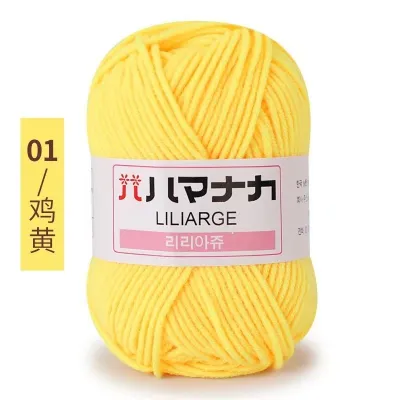
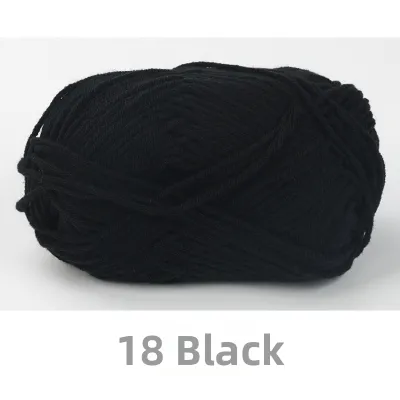
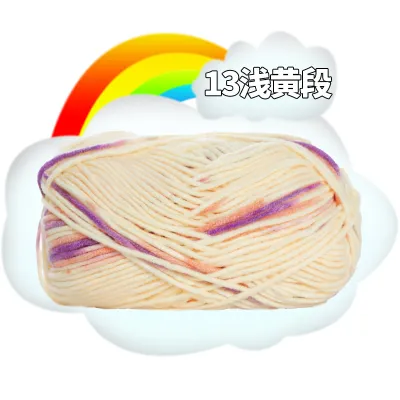
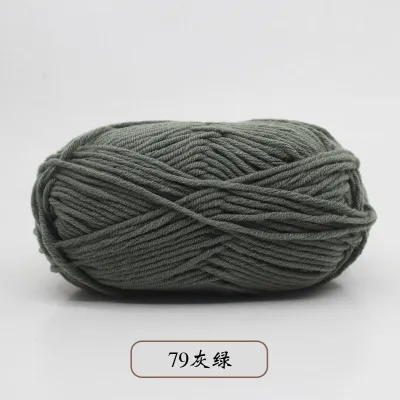
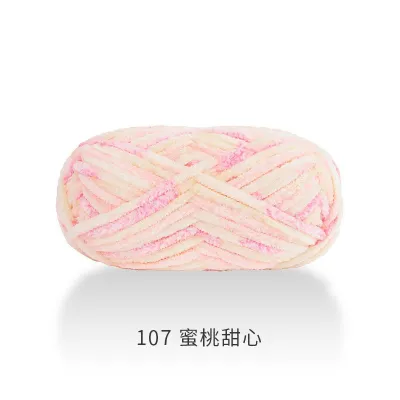
Prices are valid at publication and may change. Please refer to the product page for the latest price.
Another essential comparison metric is the yarn weight category, which ranges from lace (category 0) to super bulky (category 6). To verify the weight of a yarn independently of the label, crafters use a metric called Wraps Per Inch (WPI). By winding the yarn snugly around a ruler over a one-inch space without overlapping the strands, you can count the number of wraps to determine its true thickness. This measurement ensures that different brands can be substituted accurately in a pattern, regardless of how they are categorized on the packaging.
Structural twist and ply consistency also play a major role in how a yarn performs during stitching. Yarn is constructed by spinning fibers into single plies, which are then twisted together to form multi-ply yarn. A tight structural twist holds the plies together securely, resulting in high stitch definition and excellent resistance to splitting or pilling. Conversely, a loose twist or single-ply yarn offers a softer texture but is far more prone to catching on the crochet hook and wearing down over time. Examining these structural elements allows you to predict how a yarn will behave before you begin your project.
How to Evaluate Khunn Yarn Specifications
To evaluate Khunn yarn or any competing brand, start by thoroughly reading the yarn band or product listing. The label provides essential technical specifications, including the exact fiber percentages, recommended crochet hook sizes in millimeters, and a suggested gauge swatch. The gauge swatch indicator typically shows how many stitches and rows of single crochet should fit within a 10 by 10 centimeter square using the recommended hook. Verifying these details helps you determine if the yarn matches the structural requirements of your pattern.

Another critical detail on the yarn band is the dye lot number. Dyeing yarn is a complex chemical process, and minor variations in temperature, water chemistry, and dye concentration can cause subtle color differences between production batches. Even if two skeins share the exact same color name or code, buying different dye lots can result in a visible line of color variation across your finished project. Always check that the dye lot numbers match for all the skeins required for a single project, especially when purchasing online where batches may be mixed.
Before committing to a large purchase, it is highly recommended to buy a single skein to perform a physical swatch test. Crochet a small square using your preferred hook and observe how the yarn behaves. Pay close attention to its elasticity—how well it stretches and returns to its original shape—and its split-resistance as your hook glides through the loops. This hands-on trial allows you to assess the physical texture against your skin and verify if the yarn’s actual performance matches your expectations.
Comparing Price, Value, and Accessibility
To determine the true value of Khunn yarn compared to other brands, avoid comparing prices on a per-skein basis, as skein weights and lengths vary significantly. Instead, calculate the standardized cost using a simple formula: divide the retail price in S$ by the total weight in grams, or by the total length in meters. This calculation reveals the actual cost per unit of material, allowing you to make an accurate financial comparison between a 50-gram skein of premium cotton and a 100-gram skein of utility acrylic.
Accessibility is another key factor for crafters in Singapore. Local physical craft stores offer the advantage of immediate retail pickup, allowing you to physically feel the yarn texture and verify colors under natural light before buying. However, physical stores may have higher overhead costs and limited color selections. Online marketplaces and ecommerce platforms often provide a wider variety of brands, bulk discounts, and lower prices, but they come with shipping fees, delivery wait times, and the risk of color discrepancies due to screen calibration differences.
When planning a large-scale project, you must also factor in the risk of out-of-stock colors and shipping logistics. If you run out of yarn mid-project, a local brand or one stocked by nearby retailers can be replenished quickly. If you are using an imported or specialized brand like Khunn, a sudden shortage might force you to wait weeks for international shipping, with no guarantee of securing the same dye lot. Calculating these logistical risks alongside the base price helps prevent unfinished projects and unexpected shipping expenses.
Matching Yarn Characteristics to Your Project
Amigurumi and Stuffed Toys
Making stuffed toys and amigurumi requires a yarn that can create a dense, firm fabric to prevent the internal fiberfill stuffing from showing through. For this application, look for a yarn with a tight structural twist and high stitch definition, which ensures that complex shaping stitches remain clear and sharp. Cotton and cotton-acrylic blends are highly suitable because they resist pilling, hold their shape under high tension, and do not stretch out of shape when stuffed tightly. Verify that the yarn you choose does not split easily, as splitting can create loose loops that weaken the toy’s structure.
Wearables and Garments
For garments and accessories worn in Singapore’s tropical climate, breathability, softness, and drape are the most important characteristics. Lightweight cotton, bamboo, linen, or fine acrylic blends are ideal because they allow air circulation and do not trap body heat. Drape refers to how a fabric hangs under its own weight; a stiff yarn will make garments look boxy, while a soft yarn with good drape will conform comfortably to the body. Always check the care instructions on the label to ensure the finished garment can withstand regular washing without shrinking or losing its shape.
Blankets and Home Decor
Large-scale projects like blankets, cushions, and rugs require high yardage, making cost-effectiveness and durability primary considerations. Acrylics and bulky blended yarns are popular choices for blankets because they provide lightweight warmth, are highly durable, and are generally machine-washable. When creating home decor items that will experience frequent use and washing, verify that the yarn is colorfast to prevent bleeding, especially if you are combining high-contrast colors like deep red and cream in a single pattern.
Decision Framework: When to Choose Khunn or Alternatives
To make your final purchasing decision, use a structured framework based on your specific project conditions rather than relying on generic brand popularity.
- Choose Khunn if: Your physical swatch tests demonstrate that its specific fiber blend, twist consistency, and colorways align perfectly with your project's aesthetic and structural needs, and its calculated cost in S$ per gram fits comfortably within your total budget.
- Choose established alternatives if: You have sensitive skin or specific fiber allergies that require certified organic materials, need immediate local retail pickup in Singapore to complete an urgent project, or require specialized technical yarns, such as fire-retardant fibers for commercial home decor.
- Verify first if: You are planning a large-scale project online. Always purchase a single test skein first to verify the actual color under natural light, check for splitting tendencies, and ensure the gauge matches your personal crochet tension before committing to a bulk order.
Frequently Asked Questions (FAQ)
Is Khunn yarn a good choice for beginners?
Beginner friendliness depends entirely on the physical characteristics of the specific yarn variant rather than the brand name itself. Beginners should look for medium-weight yarns, such as double knitting (DK) or worsted weight, in light, solid colors with a smooth, tightly twisted structure. These traits make it much easier to see individual stitches, count rows, and avoid splitting the yarn with the crochet hook. Before purchasing Khunn yarn as a beginner, check the label to ensure the specific skein meets these structural criteria.
How should I test a new yarn brand for colorfastness?
To test any new yarn brand for colorfastness before mixing colors in a project, crochet a small swatch measuring approximately 5 by 5 centimeters using the deepest or brightest colors in your palette. Soak the swatch in warm water mixed with a small amount of mild detergent for 10 to 15 minutes. Gently squeeze out the excess water without twisting the fibers, and press the wet swatch firmly between two clean, white paper towels. If any dye transfers to the paper towels, the yarn is not colorfast, meaning you should avoid combining it with lighter colors in a single project or wash the finished item separately using cold water.

Community discussion
Share your experience or ask a question. Comments are reviewed before publication.