
Selecting the right heat shrink plastic wrap brand is a critical decision for protecting stationery, books, and delicate paper goods from moisture, dust, and handling damage. The ideal choice depends on matching the physical properties of the plastic to your specific items and packaging machinery. Rather than relying on generic marketing claims, a systematic evaluation of material specifications, thermal requirements, and brand consistency ensures your packaged goods remain pristine throughout storage and transit.
For businesses handling paper products, greeting cards, or high-end journals, packaging protection is not just about containment; it is about preserving presentation. A poorly chosen shrink wrap can warp delicate covers, leave unsightly cloudy patches, or fail to seal completely, exposing contents to environmental hazards. By understanding what to look for on product labels and how to conduct practical trials, you can establish a reliable packaging workflow that maintains the professional appearance of your products.
Key Material Specifications to Check on Product Labels
When evaluating different heat shrink plastic wrap brands, the product label and technical data sheet are your primary sources of truth. Manufacturers categorize shrink wrap by its chemical composition, with Polyvinyl Chloride (PVC), Polyolefin (POF), and Polyethylene (PE) being the most common options. Each material offers distinct physical properties that dictate its suitability for specific packaging tasks.
Products mentioned in this guide
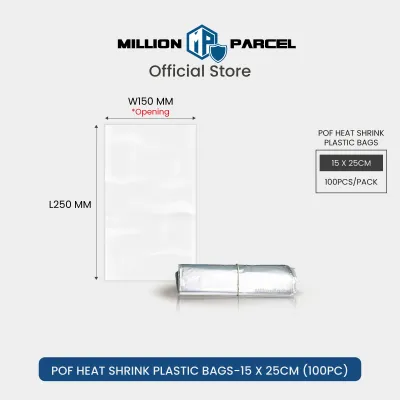
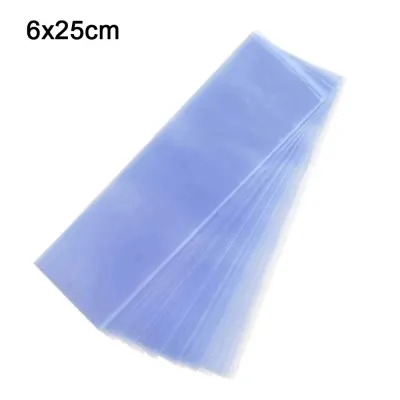
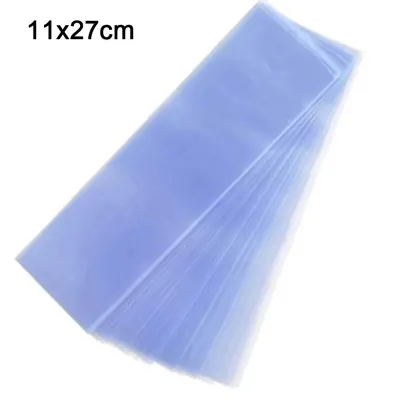
Prices are valid at publication and may change. Please refer to the product page for the latest price.
PVC is a traditional choice known for its high clarity, stiffness, and low shrink temperature. It works exceptionally well for individual flat items like calendars, art prints, and thin notebooks because it shrinks quickly with minimal heat. However, PVC can release minor odors during the sealing process and may become brittle over time, making it less suitable for items stored long-term or exposed to temperature fluctuations.
POF has largely become the industry standard for retail packaging, especially for high-quality stationery and multi-packs. It is highly puncture-resistant, exceptionally clear, and remains flexible after shrinking, which prevents the corners of wrapped books or boxes from tearing the film. Additionally, POF is chemically stable and does not emit strong odors during sealing, making it a more pleasant option for small-scale operations or indoor workspaces.
PE is a much thicker, heavy-duty material designed primarily for transit packaging, pallet wrapping, and larger industrial goods. It lacks the high optical clarity of PVC and POF, making it unsuitable for retail stationery displays where product visibility is paramount. However, for bulk shipping of heavy paper reams or shipping cartons, PE provides the necessary structural strength.
Beyond the material type, you must verify the film’s thickness, which is typically measured in gauge or microns. Common retail packaging thicknesses range from 60 gauge (15 microns) to 100 gauge (25 microns). Rather than relying on vague marketing terms like “heavy-duty” or “ultra-strong,” request the manufacturer’s technical data sheet to verify the actual tensile strength and tear resistance. High tensile strength ensures the film can withstand the tension of the shrinking process without splitting along the seams.
When reviewing the technical data sheet, pay close attention to the Elmendorf tear strength and elongation percentages. Elmendorf tear strength measures the force required to propagate a tear in the film, which is crucial for preventing small nicks from turning into large rips during handling. Elongation at break indicates how much the film can stretch before failing, providing a buffer against sharp edges.
For premium stationery items, you may also want to check if the POF film is cross-linked. Cross-linking is a manufacturing process that bonds the polymer chains together, significantly increasing the film’s puncture resistance and seal strength. This is particularly beneficial for heavy books, metal-ring binders, or boxed pen sets that have sharp, defined corners.
Puncture resistance is another critical metric, particularly if you are packaging items with sharp corners, such as spiral-bound notebooks, metal-ring binders, or boxed pen sets. A quality brand will specify the puncture resistance of their film in standard units of force. You can also perform an observable check by pressing a blunt corner against a stretched sample of the film to see how much pressure it tolerates before puncturing.
Aligning Wrap Dimensions and Thermal Needs With Your Equipment
Selecting a high-quality brand is only effective if the wrap is physically and thermally compatible with your existing packaging setup. Shrink wrap is supplied in various configurations, including centerfold rolls, single-wind flat sheets, and tubular sleeves. Centerfold film, which is folded in half longitudinally on the roll, is the most common format for manual and semi-automatic L-bar sealers, as it allows you to easily insert stationery items between the two layers before sealing.

You must also match the roll’s physical dimensions to your dispensing equipment. Check the width of the roll to ensure it accommodates your largest product with sufficient excess film for sealing—typically adding at least 5 to 10 centimeters of clearance. Additionally, verify the inner core size of the roll, which is commonly 5.1 centimeters (2 inches) or 7.6 centimeters (3 inches), to ensure it fits securely onto your machine’s spindle or dispenser bar.
To calculate the correct film width for centerfold rolls, use a simple formula: add the width of your product, the thickness of your product, and an additional 5 centimeters for clearance. For example, if you are wrapping a notebook that is 20 centimeters wide and 3 centimeters thick, you will need a roll width of at least 28 centimeters. Choosing a roll that is too narrow will prevent proper sealing, while an excessively wide roll leads to wasted material and unsightly excess plastic.
Thermal compatibility is equally vital to prevent damage to both the film and your products. Every shrink wrap formulation has a specific shrink temperature range, usually starting around 120°C and extending up to 170°C. If your heat gun or shrink tunnel cannot reach or maintain the required temperature, the film will shrink unevenly, leaving wrinkles, cloudy areas, or “dog-ears” at the corners.
Conversely, using a film that requires excessive heat can damage sensitive stationery items. High temperatures can warp thin paperback covers, melt plastic pen barrels, or cause the adhesive on stickers and labels to bleed. For delicate paper goods, look for low-shrink-force or low-temperature POF films, which shrink gently at lower temperatures to preserve the structural integrity of the enclosed items.
Conveyor speed and dwell time inside the shrink tunnel also play a significant role in thermal compatibility. Faster conveyor speeds require higher temperatures to achieve a complete shrink in a shorter timeframe, which can increase the risk of surface burning. Adjusting these variables in tandem with the film’s specifications is essential for establishing a smooth, repeatable packaging process.
Before finalizing a purchase, consult your equipment manual to verify its maximum heating capacity and conveyor speed. A mismatch between the film’s thermal requirements and your machine’s output will lead to high waste rates, either from under-shrunk packages that must be re-run or burned packages that ruin the product inside.
Assessing Brand Consistency and Professional Support
A key differentiator between generic shrink wraps and reputable brands is manufacturing consistency. Inconsistent film thickness across a single roll can cause uneven shrinking, leading to weak seals and frequent tearing during production. When evaluating a brand, look for signs of precise manufacturing, such as highly uniform roll winding without telescoping edges, which can disrupt the tension control on automatic wrapping machines.
Another critical factor is roll length accuracy and the absence of internal splices. Lower-quality brands may include tape splices within the roll to join shorter segments of film, which can jam automatic machinery and ruin the aesthetic of the wrapped product. Reputable brands guarantee splice-free rolls, ensuring uninterrupted production runs and consistent packaging quality.
Storage guidelines are another indicator of a professional brand, particularly in warm, humid environments. High humidity and ambient heat can cause “blocking,” a defect where the layers of plastic film fuse together on the roll, rendering it unusable. Reputable brands provide explicit storage instructions, including temperature and humidity limits, to help you maintain the material’s shelf life in local warehouses or storage spaces.
You should also verify that the manufacturer provides comprehensive compliance documentation. Request a Safety Data Sheet (SDS) to confirm the material’s chemical composition and ensure it does not release harmful volatile organic compounds (VOCs) when heated. This is especially important if your packaging team works in enclosed spaces without industrial ventilation systems.
Additionally, check the film’s coefficient of friction (COF), which affects how easily wrapped items slide against one another. A high-slip film allows wrapped notebooks or boxes to be stacked and packed into shipping cartons easily without sticking or tearing. A low-slip film, on the other hand, is useful for preventing stacked items from sliding off pallets during transit.
Finally, consider the level of technical support the brand or its local distributor offers. Reliable brands provide access to technical representatives who can assist with machine calibration, troubleshoot sealing issues, or recommend the optimal film specifications for unique packaging challenges. Having responsive support can prevent costly downtime when transitioning to a new batch of film or upgrading your packaging machinery.
How to Trial and Finalize Your Heat Shrink Wrap Selection
To avoid costly purchasing mistakes, establish a structured trial process before committing to bulk orders of heat shrink plastic wrap. Most reputable distributors are willing to provide sample rolls or allow you to purchase small trial quantities. This allows you to test the material’s performance under real-world operating conditions on your own packaging line.
Begin your trial by setting up a structured testing protocol using your actual stationery products. Wrap a test batch of items, such as notebooks or boxed sets, and carefully observe the sealing phase. The sealer wire should cut through the film cleanly without leaving stringy plastic residue or producing excessive smoke, which indicates incorrect temperature or poor film quality.
Next, pass the sealed packages through your shrink tunnel or apply heat with a manual heat gun. Inspect the finished packages for shrink uniformity, checking that the film conforms tightly to the product without distorting its shape. The film should exhibit high optical clarity, allowing the colors, branding, and text on your stationery packaging to remain clearly visible and sharp.
Evaluate the seal strength by gently applying pressure to the seams of the shrunk package. The seals should remain intact without splitting or pulling apart, ensuring the product is fully protected from dust and moisture. If you are calculating the long-term value of the material, note the cost per meter in S$ and compare it against the waste rate observed during your trial to determine the true cost of ownership.
To ensure a comprehensive evaluation, perform a simulated transit test on your trial packages. Stack the wrapped items, place them in a standard shipping carton, and subject them to moderate vibration or handling. Inspect the packages afterward to verify that the film has not scuffed, clouded, or split along the seams during movement.
Define clear stop conditions that would cause you to reject a brand during the trial phase. These include inconsistent film thickness that leads to frequent burn-through holes, unpleasant or irritating chemical odors during heating, and brittle seals that break under minimal handling pressure. By adhering to these strict evaluation criteria, you can confidently select a heat shrink wrap brand that delivers consistent protection and professional presentation for your stationery products.
Frequently Asked Questions (FAQ)
What is the difference between PVC, POF, and PE heat shrink wraps?
PVC, POF, and PE differ primarily in their chemical composition, clarity, flexibility, and intended application. PVC is highly rigid and clear, shrinking at lower temperatures, which makes it suitable for flat, lightweight stationery like calendars, though it can become brittle and emit minor odors. POF is exceptionally strong, flexible, and clear, making it a common choice for retail stationery, multi-packs, and items requiring durable, high-clarity protection. PE is a thicker, heavy-duty plastic with lower clarity, designed mainly for bulk transit packaging and industrial wrapping rather than retail display.
Can I use any heat shrink wrap with my existing sealing and shrinking equipment?
No, you must match the shrink wrap’s material type, thickness, and thermal requirements to your specific sealing and shrinking equipment. Different films require specific sealing wire temperatures and shrink tunnel heat settings to perform correctly. For example, using a high-temperature film with a low-powered heat gun may result in incomplete shrinking and wrinkles, while using a delicate film on a high-heat machine can cause burn holes. Always consult both the shrink wrap’s technical data sheet and your equipment manual to verify compatibility before purchasing.

Community discussion
Share your experience or ask a question. Comments are reviewed before publication.