
To verify if a KATSEYE lightstick is authentic, you must perform a multi-layered check covering its physical build, packaging security features, and digital connectivity. Genuine merchandise features high-quality materials, seamless plastic molds, official holographic security seals, and responsive Bluetooth pairing that integrates with official concert apps. Counterfeit versions often betray themselves through flimsy plastics, printing errors on the box, and a complete failure to sync with venue control systems.
By systematically evaluating the physical, mechanical, and digital characteristics of your device, you can protect your investment and ensure your lightstick performs flawlessly during live events.
Why Authenticity Matters for Your Concert Experience
A lightstick is not just a glowing wand; it is an interactive concert tool. During live performances, official lightsticks utilize wireless central control systems to sync with the venue’s lighting design. This synchronization creates a unified “ocean” of shifting colors and patterns that matches the music, making the audience an active part of the performance.
Products mentioned in this guide
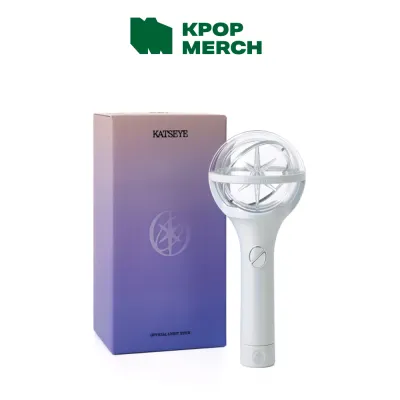
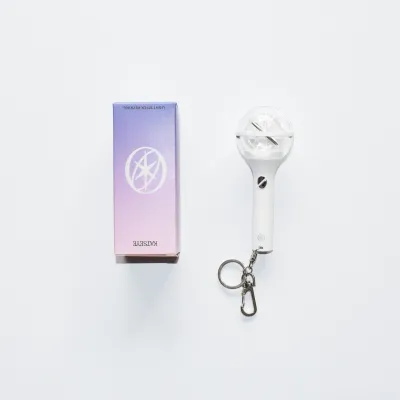
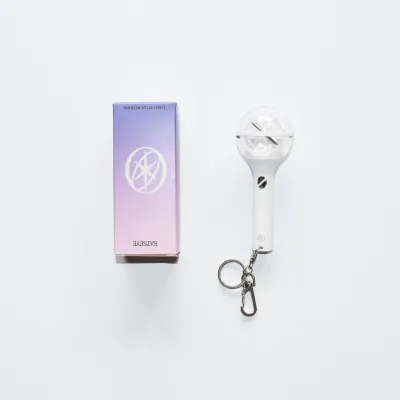
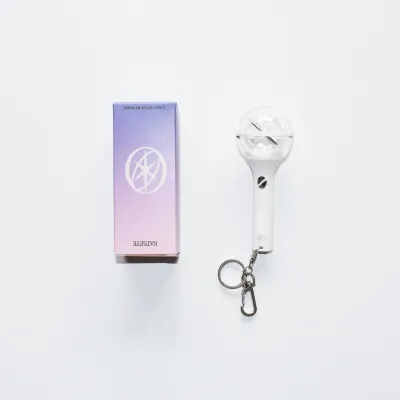
Prices are valid at publication and may change. Please refer to the product page for the latest price.
Counterfeit lightsticks almost universally lack the internal hardware or authorized firmware required to communicate with these central transmitters. If you bring a fake device to a KATSEYE concert, your lightstick will remain static or out of sync, isolating you from the collective fan experience.
Beyond the concert venue, fake lightsticks present significant hardware risks. Manufacturers of counterfeit goods cut corners on electrical components, leading to rapid battery drain, overheating, or battery leakage that can ruin the device. The plastics used are often brittle, meaning a minor drop during an energetic performance could shatter the casing.
Finally, purchasing authentic merchandise directly supports the artists. Official sales contribute to the group’s charting, revenue, and future tour budgets, ensuring that KATSEYE can continue performing and producing content for their global fanbase.
Physical and Packaging Traits of a Genuine KATSEYE Lightstick
Packaging Quality The outer box of a genuine KATSEYE lightstick is constructed from thick, rigid cardboard designed to protect the delicate device inside during transit. The printing on the box is sharp and high-resolution, with no signs of color bleeding, pixelation, or blurry text. Pay close attention to the official logos and typography; the spacing between letters will be perfectly balanced, and all legal text, copyright notices, and manufacturer details will be spelled correctly with no grammatical errors.

Build and Materials When you hold an authentic lightstick, it should feel balanced and substantial in your hand, typically weighing more than its counterfeit counterparts due to higher-quality internal wiring and thicker plastic walls. The plastic finish of the globe and handle is smooth, matte, or satin where intended, without any greasy or cheap gloss textures. Run your fingers along the seams where the plastic parts join; a genuine item features tight, flush seams with no sharp edges or protruding plastic tabs. The power and mode buttons will offer a firm, tactile click when pressed, rather than a soft, mushy, or unresponsive feel.
Security Seals and Holograms Official K-pop merchandise almost always features a specialized holographic security sticker, often issued by the entertainment agency or authorized distributor. This sticker is typically placed on the back or bottom of the packaging. When tilted under a light source, the hologram should display clear, shifting patterns, multi-layered depth, or a distinct serial number. The sticker should be perfectly aligned and firmly adhered, with clean edges that do not easily peel off.
Included Accessories Inside the box, you will find a set of curated accessories. The wrist strap is made of durable, tightly woven fabric, often featuring cleanly printed or embroidered branding that matches the official font. The user manual is printed on high-quality, semi-gloss paper with crisp, legible text in multiple languages, typically including English and Korean. The battery compartment inside the handle will have clean, gold- or silver-plated spring contacts that hold the batteries securely without rattling.
Red Flags: How to Spot a Counterfeit KATSEYE Lightstick
Visual Discrepancies Counterfeiters often struggle to replicate the exact color palette of the official brand. If the lightstick’s colored elements look overly neon, washed out, or mismatched compared to official photos, exercise caution. Look closely at the logo printing on the handle; fake items frequently feature slightly off-center logos, incorrect font weights, or subtle spelling variations designed to evade trademark detection.
Structural Flaws A cheap counterfeit will often feel surprisingly lightweight and hollow. Shake the lightstick gently; if you hear loose components rattling inside or if the battery holder slides around loosely, it is likely a fake. Look for visible signs of low-grade assembly, such as glue residue seeping out of the seams, uneven gaps between plastic joints, or rough, unfinished plastic flashing left over from the injection molding process.
Packaging Errors The packaging of a fake lightstick is usually made of thin, flimsy cardboard that dents or creases easily during handling. Holographic seals on fake boxes are often flat, dull stickers that lack the multi-layered depth of genuine security holograms, or they may be missing entirely. You might also notice that the box design uses outdated logos, incorrect color gradients, or low-resolution images scraped from the internet, resulting in a pixelated or blurry appearance.
Functional Warning Signs Be highly suspicious of online listings that use terms like “OEM version,” “replica,” “fan-made,” or “unbranded custom lightstick.” These are common euphemisms for counterfeits. Read the product reviews carefully; if multiple buyers complain that the lightstick drains fresh batteries within minutes, emits a strange chemical smell when turned on, or displays erratic LED colors that do not match the official color modes, these are clear signs of substandard counterfeit hardware.
Digital Verification and App Connectivity Tests
App Pairing The most reliable way to verify your KATSEYE lightstick is to test its digital integration. Authentic lightsticks contain specialized Bluetooth chips programmed to pair with the official companion app or fan community platform. Turn on your phone’s Bluetooth, open the app, and follow the instructions to register or pair your lightstick. An authentic device will connect seamlessly, allowing you to control the LED colors, update the firmware, or enter concert mode. Counterfeit lightsticks, which use generic Bluetooth chips or omit wireless hardware entirely, will fail to pair, show up as an unrecognized device, or not appear in the search list at all.
QR Codes and NFC Many modern official lightsticks include a unique QR code or an embedded NFC chip inside the packaging or on the device itself for registration and authenticity verification. When you scan the QR code using your smartphone, it should direct you to a secure, official domain. If the scan redirects you to a generic search engine, a broken link, or a suspicious third-party website with an unusual URL, the product is highly likely a counterfeit.
Serial Number Formatting Genuine lightsticks feature a unique serial number, often printed on a small sticker inside the battery compartment or on the outer box. While counterfeiters can easily print fake or cloned serial numbers on their packaging, you should still verify the format. Check if the serial number matches the font style, character length, and placement found on confirmed authentic units. If the serial number is printed crookedly, uses a generic system font, or matches a number flagged online as a known clone, do not purchase the item.
Safe Purchasing Channels and Seller Evaluation in Singapore
Official and Authorized Channels To guarantee authenticity, always prioritize buying your KATSEYE lightstick directly from official sources. This includes the artist’s official global store, official concert venue merchandise booths during their tour stops in Singapore, or authorized local physical and online K-pop specialty retailers. While shipping fees to Singapore can sometimes be high, the peace of mind is worth the extra cost.
Evaluating Third-Party Marketplaces If you choose to buy from general e-commerce platforms or peer-to-peer marketplace apps popular in Singapore, you must thoroughly vet the seller. Look for established sellers with high ratings (ideally 4.8 stars or above) and a long history of positive transactions. Read the product reviews, specifically looking for reviews that include real photos and videos of the unboxed lightstick. Be extremely wary of listings priced significantly lower than the standard retail price; if an offer seems too good to be true—such as a lightstick priced at S$25 when the official retail price is closer to S$70 to S$100—it is almost certainly a counterfeit.
Social Media and Group Orders Many fans in Singapore participate in group orders organized on social media platforms to split international shipping costs. While many group order organizers are trustworthy community members, some may unknowingly source from unauthorized wholesalers to maximize profit. Only join group orders run by reputable organizers with a proven track record, transparent proof of purchase from official stores, and clear refund policies in case the shipment is lost or found to be counterfeit.
What to Do If You Receive a Suspected Counterfeit
Documentation If you suspect you have received a counterfeit lightstick, document everything immediately. Before you even open the package, record a continuous, unedited unboxing video showing the shipping label, the condition of the outer box, the unboxing process, and close-ups of the lightstick’s physical details. Take high-resolution, well-lit photos of any visual discrepancies, rough seams, or packaging errors you identify.
Platform Dispute Resolution If you purchased the item through a major online marketplace, do not confirm receipt of the order. Instead, immediately initiate a return or refund request through the platform’s buyer protection program. Upload your unboxing video and photos as evidence, clearly citing “counterfeit item” or “not as described” as the reason for the dispute. Most reputable platforms have strict policies against counterfeit sales and will freeze the seller’s funds while investigating your claim.
Payment Escalation If the seller refuses to cooperate and the e-commerce platform fails to resolve the dispute in your favor, contact your payment provider. If you paid via credit card or a secure digital wallet, you can file a formal dispute or request a chargeback. Provide your bank with the documented evidence of the counterfeit item and proof of your failed attempts to resolve the issue with the seller, as credit card companies often provide robust consumer protection against counterfeit fraud.
Frequently Asked Questions (FAQ)
Can a fake KATSEYE lightstick still work at official concerts?
While a counterfeit lightstick might turn on, change colors manually, or flash when you press the button, it will almost certainly fail to function correctly at an official concert. Official venues use centralized wireless control systems to synchronize all lightsticks in the arena, creating dynamic visual patterns across the crowd. Because counterfeit lightsticks lack the proprietary internal Bluetooth chips and authorized firmware required to connect to these systems, your device will not sync with the rest of the audience, leaving it static or completely dark during the synchronized segments of the show.
Is a missing holographic sticker always a sign of a fake?
A missing or peeling holographic seal is a major red flag and a strong indicator that the lightstick is either a counterfeit or has been tampered with. However, in rare instances, genuine packaging can suffer minor damage or lose its sticker during rough international transit or customs inspections. Before jumping to conclusions, you should cross-reference a missing sticker with other verification methods, such as inspecting the physical build quality, checking the weight, and attempting to pair the device with the official companion app. If the lightstick successfully connects to the app and passes all physical checks, it may be a genuine item with damaged packaging; if it fails the app test, it is definitely a fake.
Community discussion
Share your experience or ask a question. Comments are reviewed before publication.