
When you step into a fabric boutique or browse online textiles, Japanese cotton stands out as a premium category. Japanese cotton fabric is not a distinct botanical species of the cotton plant; rather, it is defined by its meticulous manufacturing standards, dense and consistent weaving techniques, and highly precise printing processes. While regular cotton covers a massive spectrum of quality—ranging from loose, coarse utility fabrics to standard quilting cottons—Japanese cotton represents a dedicated commitment to textile craftsmanship. Understanding these differences helps you determine whether to invest in this premium material for your next sewing project.
Understanding the Core Traits of Japanese Cotton
To appreciate this textile, you must first separate marketing myths from manufacturing reality. The term “Japanese cotton” in the sewing and crafting market refers strictly to the design, manufacturing origin, and quality control standards of the fabric, rather than a unique botanical variety grown exclusively in Japan. Most raw cotton fibers are imported into Japan, where specialized mills spin, weave, dye, and finish the material.
The global reputation of these fabrics stems from the use of high-quality yarns, often utilizing long-staple cotton fibers. Long-staple fibers can be spun into finer, stronger threads, which are then woven into highly consistent patterns. Japanese mills frequently employ traditional weaving techniques alongside modern high-precision machinery, resulting in a remarkably smooth surface that feels substantial without being overly heavy.
Products mentioned in this guide
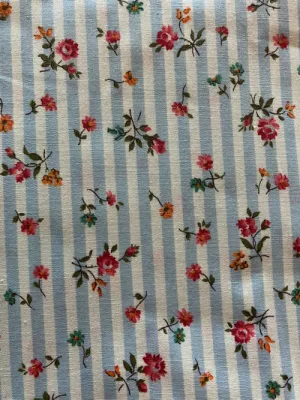
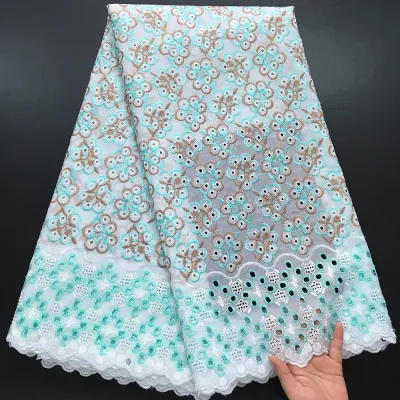
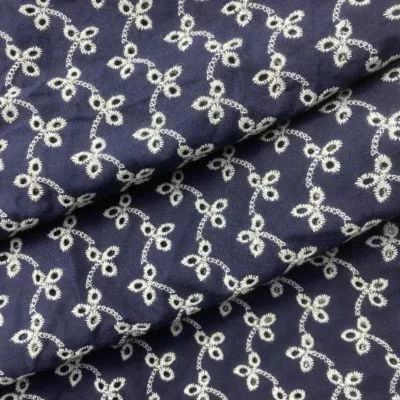
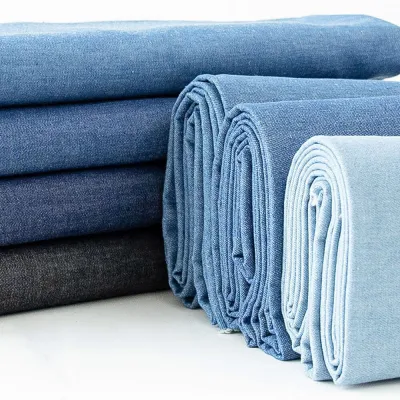
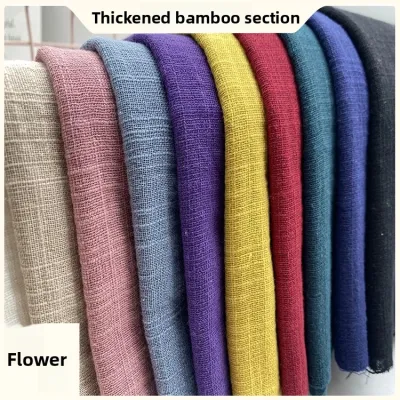
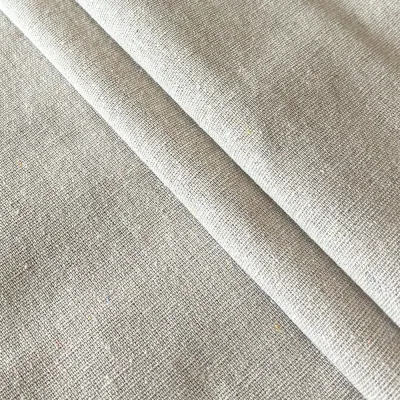
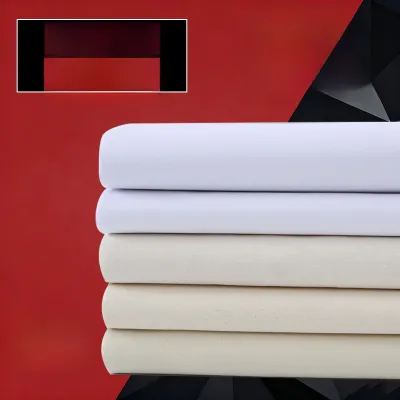
Prices are valid at publication and may change. Please refer to the product page for the latest price.
Another defining characteristic is the design aesthetic. Japanese cottons are widely recognized for their intricate, small-scale prints, traditional geometric motifs (such as Asanoha or Seigaiha), and subtle, nature-inspired illustrations. These designs are highly detailed and rarely suffer from the misalignment or blurred edges common in mass-produced textiles.
Finally, the finish of the fabric sets it apart. Fresh off the bolt, Japanese cotton typically exhibits a characteristic “hand”—a tactile quality that balances a crisp, structured drape with a soft, smooth surface. Unlike lower-grade regular cottons that rely on heavy chemical starches (sizing) to feel stiff on the bolt, the structure of Japanese cotton comes from the density of the weave itself, meaning it retains its body even after washing.
Japanese Cotton vs. Regular Cotton: Key Differences
Choosing between Japanese cotton and regular cotton requires evaluating several physical and aesthetic dimensions. While regular cotton is highly versatile and widely available, Japanese cotton offers distinct performance advantages for specific sewing applications.

Texture and Drape Regular cotton fabrics, particularly basic quilting cottons or utility muslins, often feature a relatively loose, square weave. This can result in a slightly rough or uneven texture and a drape that feels either overly limp or stiffly starched. In contrast, Japanese cotton is characterized by a tighter, more compact weave. This density provides a structured drape that holds its shape beautifully. When you run your hand across the fabric, the surface feels exceptionally flat and uniform, with none of the tiny knots or slubs frequently found in budget-grade utility fabrics.
Print Quality and Colorfastness The printing process highlights the technical precision of Japanese mills. Many Japanese cottons are printed using advanced rotary or flatbed screen printing techniques. This ensures perfect registration—meaning different color layers align precisely without overlapping or leaving blank gaps. Colors are deep, saturated, and highly resistant to bleeding. Regular cotton prints, especially those produced for mass-market discount retailers, may use lower-resolution digital printing or cheaper dye formulations, which can lead to blurry patterns, dull colors, and rapid fading after a few cycles in the wash.
Durability and Fraying Because Japanese cotton features a higher thread count and a denser weave, the individual threads are locked tightly in place. When you cut the fabric with shears or a rotary cutter, the raw edges resist fraying much better than loosely woven regular cotton. This stability is highly beneficial when sewing intricate seams or handling small pieces. The dense structure also means the fabric is less prone to warping, stretching out of shape, or developing holes over years of use and laundering.
Weight and Consistency Regular cotton is available in an extreme range of weights, from ultra-sheer voiles to heavy canvas, but the quality within those categories can be highly inconsistent. A standard medium-weight regular cotton might feel thin in some areas and thick in others. Japanese cotton manufacturers maintain strict quality control, ensuring that a medium-weight fabric has a uniform thickness and weight across the entire bolt. This consistency provides a predictable sewing experience, as your sewing machine needle encounters uniform resistance throughout the project.
How to Identify Authentic Japanese Cotton Fabric
With the popularity of Japanese design aesthetics, many mass-produced fabrics mimic traditional patterns without offering the same manufacturing quality. If you are shopping in physical fabric stores in Singapore or browsing online platforms, use these practical steps to verify authenticity.
Selvage Markings The selvage (the finished edge of the fabric) is your most reliable source of information. Authentic Japanese cotton fabrics almost always feature detailed printing along this border. Look for the manufacturer’s name (such as Kokka, Sevenberry, Cosmo, or Yuwa), the name of the specific collection or designer, and explicitly printed text stating “Made in Japan” or “Printed in Japan.” If the selvage is completely blank or only contains color registration dots without any text, proceed with caution.
Label and Packaging When purchasing full bolts or pre-cut bundles, examine the labels. Genuine imports feature professional, branded paper labels or tags detailing the fabric composition, origin, and care instructions. Mass-produced imitations are often sold in generic plastic wrapping with basic, unbranded stickers that omit the country of manufacture.
Visual and Tactile Checks Take a close look at the print alignment. Examine where the pattern repeats; on authentic Japanese fabric, the repeat is seamless and perfectly aligned. Next, touch the fabric. Gently rub it between your fingers. It should feel smooth and dense, with a clean, crisp body. If the fabric feels excessively stiff, scratchy, or leaves a powdery residue on your hands, it has likely been treated with cheap chemical sizing to disguise a loose, low-quality weave.
Price and Sizing Context The price point is a strong indicator of origin. Due to high manufacturing standards and import costs, genuine Japanese cotton typically retails in Singapore within a price band of S$18 to S$35 per metre, depending on the complexity of the print and the specific mill. If you find a fabric advertised as “Japanese cotton” for S$5 to S$8 per metre, it is highly likely a replica or a lower-grade blend. Additionally, verify the bolt width. While standard international quilting cottons are typically 112 cm (44 inches) wide, and apparel fabrics are often 150 cm (60 inches) wide, some traditional Japanese cotton bolts are produced in narrower widths, such as 108 cm. Always check the width measurement before calculating your yardage.
Best Sewing Projects and Selection Tips
The unique structural properties of Japanese cotton make it highly suited for specific creations, though it may not be the ideal choice for every sewing task. Matching the fabric to your project ensures your time and resources are well spent.
Quilting and Patchwork For quilters, Japanese cotton is a premium joy to work with. The tight weave prevents the fabric from stretching or distorting when you cut and piece intricate geometric shapes. Because it frays minimally, your seam allowances remain stable and secure, which is critical for complex patchwork designs. The sharp, high-contrast prints add a sophisticated visual depth to quilt tops.
Garment Making In Singapore’s warm, humid climate, lightweight to medium-weight cotton is a wardrobe staple. Japanese cotton is excellent for structured garments such as tailored button-down shirts, structured blouses, A-line skirts, and casual summer dresses. It offers excellent breathability while maintaining a clean, crisp silhouette. However, because it lacks elastane, it is not suitable for projects requiring stretch. It also lacks the fluid, liquid-like drape of rayon or silk, so avoid using it for garments that require soft, flowing gathers or bias-cut drapes.
Accessories and Home Decor The durability and body of Japanese cotton make it a favorite for everyday accessories. It is highly suitable for sewing structured tote bags, zippered pouches, coin purses, book covers, and table linens. When backed with appropriate interfacing, the fabric holds its shape exceptionally well, highlighting the beautiful print designs on functional, high-wear items.
Selection Verification Before purchasing, always check the fabric weight (such as lawn, shirting, or canvas) and review any available manufacturer care instructions. Ensure the specific weave and weight match the structural needs of your pattern, rather than choosing a fabric solely based on an attractive print.
Preparation and Care for Long-Lasting Results
To preserve the rich colors and structural integrity of your Japanese cotton, follow proper preparation and maintenance steps.
Pre-washing While high-quality Japanese cotton undergoes thorough finishing processes that minimize shrinkage, some residual shrinkage can still occur when the fibers first encounter water. To prevent your finished project from warping or shrinking unevenly, pre-wash your fabric. Use a gentle cycle with cool water and a mild, pH-neutral detergent. Avoid harsh bleaching agents. If you are working with a highly saturated or dark print, consider testing a small swatch first to observe how the dyes react to your local water conditions.
Ironing and Pressing Japanese cotton responds beautifully to pressing. Use a medium-to-high cotton setting on your iron. For stubborn fold lines or to achieve exceptionally crisp seams during construction, utilize a steam setting or a light mist of water. Always press on the reverse side of printed fabrics to protect the delicate surface details from direct heat.
Storage In Singapore’s humid climate, proper storage is essential to prevent mildew and fiber degradation. Store your uncut fabric and completed projects in a cool, dry, and well-ventilated space. Keep them out of direct sunlight, as prolonged exposure to ultraviolet rays can cause even the highest-quality dyes to fade over time. Avoid storing fabrics in airtight plastic bins for extended periods, as trapped moisture can encourage mold growth.
Frequently Asked Questions (FAQ)
Do I need to pre-wash Japanese cotton before sewing?
Yes, pre-washing is highly recommended. Although premium Japanese cotton is manufactured to high standards and often experiences less shrinkage than standard utility cotton, residual shrinkage of 2% to 5% can still occur. Pre-washing the fabric using the same temperature and cycle you plan to use for the finished item ensures that any shrinkage happens before you cut and sew, protecting your finished project from distorting or puckering later.
Is Japanese cotton suitable for beginner sewers?
Absolutely. In fact, Japanese cotton is one of the easiest and most forgiving fabrics for beginners to handle. Its tight weave and inherent stability mean it does not slip or slide under the presser foot like silk or polyester, and it resists fraying when cut. While the higher price point (often S$18 to S$35 per metre in Singapore) means mistakes can be more costly, the ease of cutting, pinning, and stitching often leads to a much smoother learning experience and a highly professional finished result.

Community discussion
Share your experience or ask a question. Comments are reviewed before publication.