
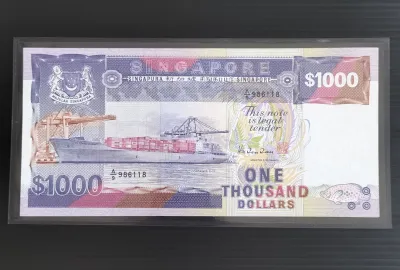
Gifting a Singapore S$1000 banknote is a bold, prestigious gesture that transcends the boundaries of a typical travel souvenir. While a standard souvenir serves as a modest reminder of a trip, a high-denomination banknote functions as a high-value monetary gift, combining financial utility with cultural prestige. Whether this serves as an appropriate token for visitors or loved ones depends heavily on the relationship, the occasion, and the practicalities of handling such a significant sum. For most casual travelers, a S$1000 note is far too valuable and logistically complex to serve as a simple keepsake, but for major life milestones or formal corporate relationships, it represents an extraordinary mark of respect and generosity.
To evaluate whether this high-value note is the right choice for your gifting needs, it is essential to look beyond its face value. Understanding the cultural context of cash gifts in the region, identifying the ideal scenarios for such a substantial present, and preparing for the practical logistics of handling high-denomination currency are all critical steps. Furthermore, if you decide to proceed with this unique gift, the way you present and protect the physical note can transform it from a simple financial transaction into a cherished, memorable keepsake.
Evaluating the $1000 Note as a Singapore Souvenir
To understand the impact of gifting a S$1000 note, one must first grasp its purchasing power within Singapore. A single S$1000 note represents a substantial financial sum, capable of covering luxury hotel stays, high-end dining experiences, or premium retail purchases. However, this immense value makes it highly impractical for daily, casual transactions. Attempting to pay for a modest meal at a local hawker centre or purchasing public transit cards with a S$1000 note is virtually impossible, as vendors rarely carry enough change to facilitate such transactions. This stark contrast highlights that the note is not a casual medium of exchange but rather a significant store of value.
Products mentioned in this guide
Prices are valid at publication and may change. Please refer to the product page for the latest price.
In Singapore and many parts of Asia, gifting cash carries deep cultural significance, particularly during major life events and festive seasons. The tradition of presenting cash in red packets, locally known as ang baos, is a gesture of blessing, prosperity, and goodwill. While smaller denominations are standard for seasonal holidays, high-denomination notes are reserved for monumental occasions. Gifting a pristine, high-value banknote like the S$1000 note elevates the gesture, signaling profound respect and a sincere wish for the recipient’s financial security and success. It is a physical manifestation of prosperity that digital bank transfers simply cannot replicate.
However, there is a distinct line between an everyday tourist souvenir and a high-value monetary gift. A typical souvenir, such as a Merlion keychain, a box of local orchid-infused tea, or a piece of heritage stationery, is valued for its symbolic connection to the destination. These items are accessible, easy to distribute, and carry low financial pressure. A S$1000 note, by contrast, shifts the dynamic entirely. It is a financial asset first and foremost, meaning the recipient will likely view it through the lens of utility, security, and financial responsibility rather than pure sentimentality.
Ideal Scenarios for Gifting a $1000 Note
Given the substantial value of a S$1000 note, identifying the appropriate recipient is crucial to avoid social awkwardness or discomfort. This is not a suitable gift for casual acquaintances, distant relatives, or service providers. Instead, it should be reserved for close family members—such as parents, children, or spouses—where the transfer of significant financial support is natural and welcomed. In professional contexts, it may be appropriate for key business partners or long-term corporate associates as a formal token of appreciation, provided it complies with the relevant corporate gift policies and ethical guidelines.

The occasion must also match the magnitude of the gift. Major life milestones provide the perfect backdrop for presenting a S$1000 note. Weddings are a prime example, as the newlyweds often face significant expenses when establishing their new home and starting their lives together. A high-value monetary gift provides practical support while honoring the solemnity of the occasion. Other suitable milestones include milestone birthdays, such as a golden jubilee, university graduations, or retirement celebrations, where the funds can be directed toward meaningful long-term investments or personal goals.
Conversely, there are numerous scenarios where gifting a S$1000 note should be avoided. Presenting such a high-value note at a casual dinner party, an informal gathering, or as a spontaneous “thank you” to a friend can create an uncomfortable sense of obligation. The recipient may feel pressured to reciprocate with a gift of equal value, which can strain the relationship. Additionally, carrying high-value banknotes during casual sightseeing poses unnecessary security risks for tourists, making it an impractical choice for spontaneous gifting.
Practical Considerations Before Gifting
Before you decide to gift a S$1000 note, several practical and logistical factors must be addressed to ensure a smooth and secure transaction. First and foremost is the physical condition and authenticity of the banknote. In the world of gifting and collecting, presentation is paramount. A crumpled, stained, or heavily creased note loses much of its aesthetic appeal and prestige. It is highly recommended to obtain a crisp, uncirculated note directly from a local bank. Before presenting the gift, perform a visual check of the note’s security features, such as the watermark, security thread, and raised print, to verify its authenticity.
Another critical consideration is the note’s legal tender status and general acceptance. While the S$1000 note remains legal tender in Singapore, its everyday usability is highly restricted. Many retail outlets, convenience stores, and taxi drivers explicitly display signs stating they do not accept high-denomination notes due to the difficulty of verifying authenticity and the risk of carrying large amounts of change. Consequently, the recipient must be prepared to deposit the note directly into a bank account rather than attempting to spend it at retail counters, which strips away some of the immediate convenience of a cash gift.
For international visitors, carrying high-value physical currency across borders introduces regulatory complexities. Most countries enforce strict customs regulations requiring travelers to declare physical currency above a specific threshold—often equivalent to US$10,000 or S$20,000—upon arrival or departure. Failing to declare these funds can result in severe penalties, including seizure of the currency. Furthermore, foreign exchange booths outside of Singapore may offer highly unfavorable rates or refuse to exchange high-denomination notes altogether due to counterfeiting concerns, meaning the recipient may face significant hurdles when trying to convert the note back to their home currency.
Creative Ways to Wrap and Present Banknote Gifts
Because a S$1000 note is a premium gift, its packaging should reflect its value. Standard paper envelopes are often insufficient to protect and showcase such a significant token. To preserve the physical integrity of the banknote, consider using an acid-free, archival-grade polymer protective sleeve. This specialized stationery item prevents oils from fingers, moisture, and dust from degrading the paper or polymer material of the note, ensuring it remains in pristine condition for years to come.
For the formal presentation, place the sleeved note inside a premium, heavy-weight paper envelope. Envelopes crafted from textured cardstock, ideally with a weight of 250 GSM or higher, provide a luxurious tactile experience. Opt for elegant designs featuring gold foil accents, traditional embossed patterns, or minimalist modern aesthetics that align with the recipient’s tastes. If the note is intended as a collector’s piece rather than immediate spending money, presenting it in a minimalist acrylic or wooden floating frame allows the recipient to display and appreciate the intricate engraving and design of the note without exposing it to environmental wear.
To add a personal and sentimental touch, always pair the banknote with a high-quality, handwritten greeting card. Use premium stationery paper and an archival ink pen to write a heartfelt message explaining the significance of the gift and your well-wishes. This ensures that even if the recipient eventually decides to deposit or spend the S$1000, they will still retain a physical, lasting keepsake of your relationship and the special occasion.
Alternative Singapore Souvenirs for Different Budgets
If you conclude that a S$1000 note is too extravagant, logistically complex, or impractical for your gifting needs, Singapore offers a wealth of excellent alternative souvenirs across various price points. For those seeking premium physical souvenirs, locally designed premium stationery is an outstanding choice. High-end leather-bound journals, fountain pens featuring local cultural motifs, or artisan crafts created by local designers offer a sophisticated, tactile connection to the city-state. These items serve as elegant, functional keepsakes that carry high sentimental value without the security concerns of cash.
For mid-range cultural gifts, curated heritage books detailing Singapore’s rich history, diverse architecture, or vibrant culinary scene make thoughtful presents. Alternatively, premium local tea sets featuring unique blends inspired by local flavors—such as pandan, orchid, or ginger-infused teas—packaged in beautifully designed, collectible tins offer a delightful sensory experience. These gifts allow the recipient to savor the unique cultural tapestry of the region from the comfort of their home.
If you are looking for budget-friendly everyday tokens to distribute to colleagues, acquaintances, or larger groups, high-quality themed postcards are an excellent option. Look for postcards illustrated by local artists that capture the charm of historic neighborhoods or iconic landmarks. Specialty local snacks, such as artisanal cookies, traditional preserves, or locally roasted coffee beans packaged in decorative boxes, are also highly appreciated, easy to transport, and provide a delicious taste of local heritage.
Frequently Asked Questions (FAQ)
Can tourists easily exchange a Singapore $1000 note back to their home currency?
Exchanging high-denomination banknotes like the S$1000 note outside of Singapore can be quite challenging. Many overseas banks and authorized money changers are hesitant to accept high-value foreign notes due to the increased risk of counterfeiting and the difficulty of verifying security features. If they do agree to exchange the note, they may charge high processing fees or offer less favorable exchange rates. To avoid these issues, it is highly recommended to exchange or deposit the note within Singapore before departure, or check with your local financial institution in your home country beforehand to verify their acceptance policies.
Is the Singapore $1000 note still being printed?
To mitigate money laundering and counterfeiting risks, the Monetary Authority of Singapore (MAS) discontinued the issuance of the S$1000 banknote. While existing notes already in circulation remain legal tender and can still be used for transactions or deposited into local bank accounts, no new notes are being printed. Because of this limited and gradually declining supply, these notes have increasingly become sought-after collector’s items, making their physical condition and preservation even more critical for maintaining their long-term value.

Community discussion
Share your experience or ask a question. Comments are reviewed before publication.