
Deciding whether to purchase a Pokémon EZ-Link card over a standard transit card comes down to a simple trade-off between emotional value and practical utility. From a purely functional perspective, a themed card offers absolutely no performance advantages. It will not speed up your transit taps, lower your fares, or grant you special commuting privileges in Singapore. However, for fans of the franchise, the daily joy of tapping a favorite character makes the upfront premium highly satisfying.
To make an informed decision, you must weigh the collectible premium against your actual commuting habits. This guide breaks down the cost structures, functional realities, and collector dynamics of these cards to help you determine if the extra expense is justified for your daily routine.
Understanding the Price Difference
To evaluate the value of a Pokémon EZ-Link card, you must first understand how transit cards are priced in Singapore. A standard EZ-Link card purchased at an MRT station typically costs S$10 or S$12. This price structure includes a non-refundable card fee of S$5, with the remaining balance of S$5 or S$7 credited directly as stored value for your immediate use. This makes the entry barrier for standard cards exceptionally low, as the majority of your payment goes directly toward your travel fares.
Products mentioned in this guide
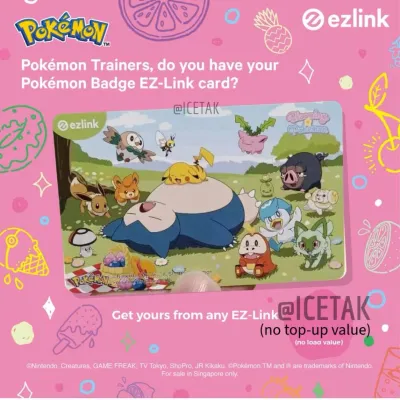
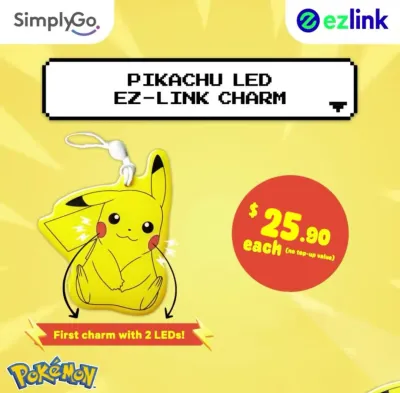
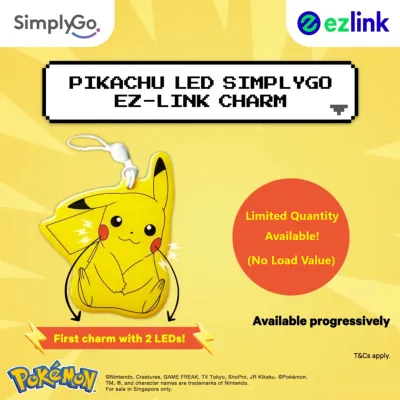

Prices are valid at publication and may change. Please refer to the product page for the latest price.
In contrast, a Pokémon EZ-Link card carries a distinct collectible premium. These themed cards are frequently sold for S$10 to S$15 at retail, but they typically come with zero stored value. This means the entire purchase price is a non-refundable cost dedicated solely to the physical card itself. The premium covers the intellectual property licensing fees paid to The Pokémon Company, specialized manufacturing processes, custom printing, and unique retail packaging.
Because these special editions are released in limited batches, retail prices can fluctuate depending on the specific design and distribution channel. To avoid overpaying, you should verify current retail prices at official SimplyGo Ticket Offices, authorized convenience store partners, or official brand stores. Knowing the baseline retail price prevents you from falling victim to inflated rates on the secondary market.
Functional Comparison: Do You Get More Features?
When it comes to daily usability, both standard and Pokémon-themed cards are functionally identical. Both card types operate on the same CEPAS (Contactless e-Purse Application Standard) technology platform in Singapore. This shared technical framework ensures that any terminal reading a standard transit card will read a themed card with the exact same speed and accuracy.

Whether you are boarding an MRT train, riding a public bus, or paying for a light rail transit (LRT) trip, your Pokémon card performs the exact same task as a plain blue card. This functional parity extends beyond public transportation. You can use either card for retail micro-payments at local convenience stores, food courts, supermarket chains, and even for electronic road pricing (ERP) or carpark charges, provided the terminal accepts CEPAS payments.
There are several common misconceptions surrounding premium transit cards that need to be debunked. Purchasing a licensed Pokémon card does not grant you faster gate tap speeds or better signal range at transit barriers. It does not include any bonus stored value, nor does it qualify you for exclusive transit discounts, concessions, or travel fare caps. Furthermore, premium cards do not come with an extended warranty; they carry the same standard manufacturing defect coverage as any regular transit card.
The Real Value: Collectibility and Design
Since a Pokémon EZ-Link card offers no functional upgrades, the actual return on your investment lies entirely in its design and collectibility. These cards serve as highly visible personal accessories. Official releases often feature vibrant, high-definition artwork of beloved characters like Pikachu, Eevee, or Charizard, frequently enhanced with premium finishes such as holographic overlays, metallic foils, or unique matte textures that standard cards completely lack.
Integrating this design into your daily routine can introduce a small but consistent sense of satisfaction. Commuting in Singapore can often feel repetitive and mechanical. Tapping a beautifully designed card featuring a favorite childhood character can add a touch of personality to an otherwise mundane routine, often serving as an easy conversation starter with fellow commuters or retail cashiers.
From a collector’s perspective, many of these cards are released as limited-run items. Once a specific design sells out at official retail outlets, it is rarely reprinted, which drives up its desirability among enthusiasts. However, you should approach these purchases with realistic expectations. While out-of-print designs do command higher prices on peer-to-peer resale platforms, mass-produced licensed transit cards rarely appreciate significantly in financial value over the long term. They should be purchased for personal enjoyment rather than as speculative investments.
Self-Diagnosis: Is the Pokémon EZ-Link Right for You?
Determining whether to pay the premium for a themed card requires an honest look at your personal preferences, budget, and daily commuting habits. The choice is rarely about the technology itself, but rather about how you interact with your transit accessories on a daily basis.
When the Premium is Worth It
Paying extra for a Pokémon EZ-Link card makes perfect sense if you are an avid fan of the franchise or a dedicated collector of official merchandise. For these individuals, the card is not merely a utility tool; it is a pocket-sized collectible that integrates their passion into practical, everyday life. The upfront cost is easily justified by the ongoing aesthetic appreciation of the official artwork.
These cards also make excellent, highly practical gifts. If you are looking for a thoughtful token for a friend, colleague, or family member who commutes regularly, a themed card is a functional item wrapped in a delightful package. It shows personal consideration while remaining highly useful in Singapore’s transit-centric environment.
Additionally, a visually distinct card can be a practical asset for individuals who frequently misplace their belongings. A standard, plain-colored transit card is easy to overlook when left on a table or dropped in a bag. A bright, eye-catching Pokémon design is much easier to spot, and because you value the collectible nature of the card, you are naturally more likely to keep track of it.
When a Standard Card or Contactless Bank Card is Better
If you view public transit strictly as a utility, paying a premium for a themed card is an unnecessary expense. Commuters on a strict budget should prioritize standard cards, where almost the entire upfront cost is converted into usable transit credit. This ensures that every dollar spent goes directly toward your actual travel distance.
Furthermore, the rise of SimplyGo has made physical transit cards entirely optional for many. If you already prefer the convenience of tapping your existing contactless credit card, debit card, or mobile wallet, buying any physical EZ-Link card is redundant. Using your bank card eliminates the need to monitor card balances, manage top-ups, or carry an extra piece of plastic in your wallet.
Finally, you should avoid premium cards if you have a history of losing or damaging your transit cards. When you lose a standard card, the financial loss is minimal and easily replaced. Losing a premium, out-of-print Pokémon card means losing both the stored value and a costly, irreplaceable collectible, which can lead to unnecessary frustration.
Purchasing Safely and Verifying Authenticity
If you decide to buy a Pokémon EZ-Link card, you must take precautions to ensure you are getting an authentic product at a fair price. The safest route is to purchase directly from official channels. These include SimplyGo Ticket Offices, major local convenience stores like 7-Eleven and Cheers, or the official online brand stores. Buying from these authorized sellers guarantees that you pay the standard retail price and receive a genuine product.
Avoid purchasing recently released, mass-produced cards from unverified sellers on online marketplaces or peer-to-peer trading platforms. Scalpers frequently buy up popular designs in bulk to resell them at highly inflated prices. Paying double or triple the retail price for a card that is still in production or recently retired is rarely a smart financial move.
When buying from secondary sources, always perform basic verification checks to protect yourself from counterfeits. Ensure the card is sold in its original, intact official packaging with intact security seals. Inspect the card surface for high-quality printing, sharp details, and official copyright markings. Finally, register the card on the official SimplyGo mobile app immediately upon receipt; an authentic card will register successfully and display its unique 16-digit CAN number without issue.
Frequently Asked Questions (FAQ)
Can I transfer the stored value from a Pokémon EZ-Link to a standard card?
Yes, you can transfer your remaining stored value between cards. To do this, visit any SimplyGo Ticket Office or use an official self-service transit kiosk. The customer service officer can transfer the balance from your Pokémon card to a standard card. Keep in mind that once the funds are transferred, the source card may be deactivated or blocked from future transit use, depending on the specific card status and current transit authority guidelines.
Are Pokémon EZ-Link cards refundable if I stop using them?
If you decide to stop using your Pokémon EZ-Link card, you can get a refund for the remaining stored value loaded on the card, subject to standard administrative processing terms. However, the upfront premium and the base card cost you paid to acquire the collectible design are strictly non-refundable. The physical card remains yours to keep as a collectible item, but the cost of the plastic and the licensing fee cannot be recovered.
Community discussion
Share your experience or ask a question. Comments are reviewed before publication.