
Quick Answer: Choosing Between Iron-On and Sew-On Backings
Choosing the right backing for a flower patch is a balance between your fabric’s heat tolerance and the level of durability your garment requires. Iron-on flower patches offer a fast, needle-free application that works beautifully on sturdy, heat-resistant fabrics like cotton denim, heavy canvas, and robust linens. The heat from a household iron melts the pre-applied adhesive on the back of the patch, fusing it directly into the weave of the textile.
Conversely, sew-on flower patches are the necessary choice for delicate, synthetic, or highly elastic materials—such as silk, nylon, polyester, leather, and ribbed knits—which would melt, warp, or crack under high temperatures. Sewing also provides an exceptionally durable, mechanical bond that easily withstands frequent machine washing, heavy friction, and long-term wear. For the absolute best of both worlds, applying an iron-on patch to stabilize its position and then securing the edges with a few simple hand stitches offers unmatched permanence.
Fabric Compatibility: When to Iron and When to Sew
The success of your embellishment project relies heavily on matching the patch’s backing to the physical properties of your garment. Applying high heat to an incompatible fabric can permanently ruin both the item and the patch, while sewing onto certain materials can be unnecessarily difficult or cause structural pulling.
Products mentioned in this guide
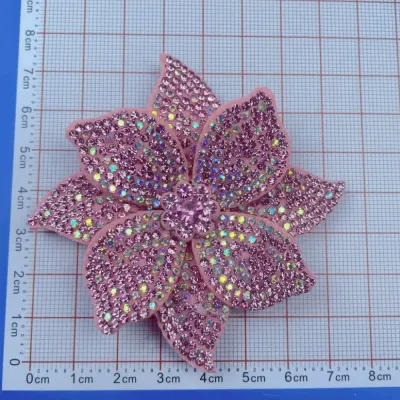
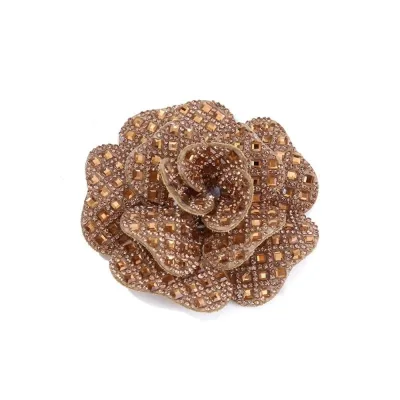
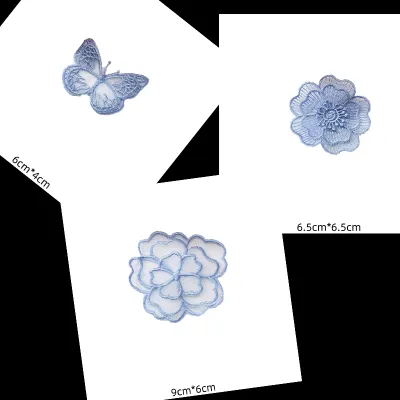
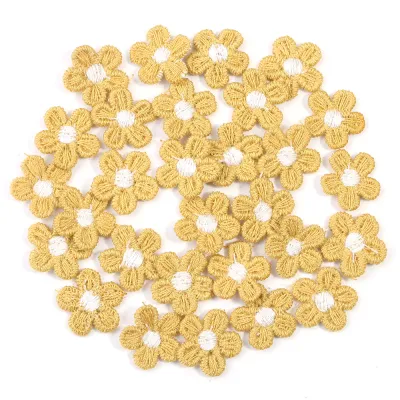
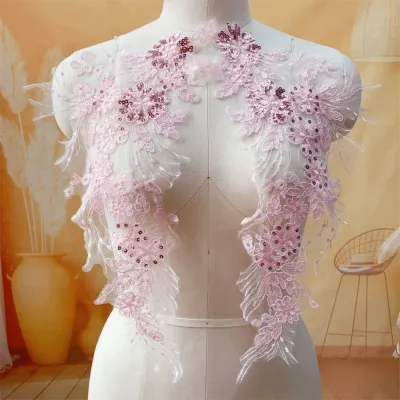
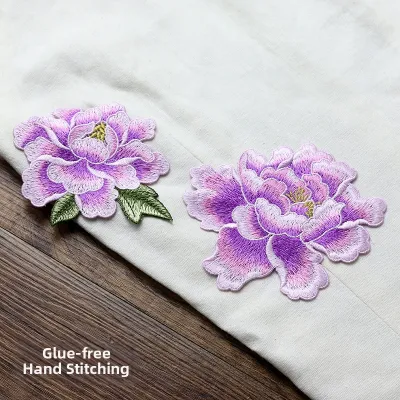
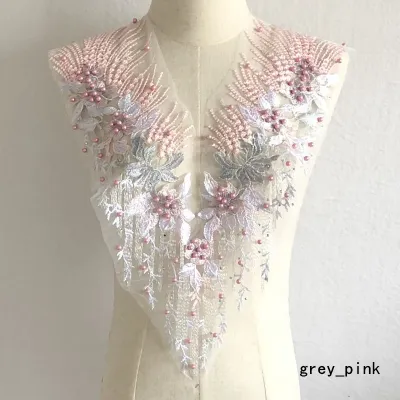
Prices are valid at publication and may change. Please refer to the product page for the latest price.

Heat-Safe Fabrics for Iron-On Patches
Heavyweight, tightly woven natural fibres are the ideal candidates for iron-on flower patches. Materials such as cotton denim, heavy canvas, thick linen, and sturdy cotton drills can easily withstand the high temperatures required to melt thermoplastic adhesives.
The dense weave of these fabrics provides an excellent, flat surface area for the liquified glue to grip, ensuring a uniform bond across the entire back of the patch. When working with these materials, always check the garment’s care label for the iron symbol; if it shows three dots or explicitly allows high heat, the fabric can safely handle the application process.
Delicate and Heat-Sensitive Fabrics for Sew-On Patches
Many modern garments are made from synthetic polymers or delicate natural fibres that cannot tolerate high heat. Fabrics like polyester, nylon, acrylic, rayon, and delicate silk will melt, scorch, or develop permanent shiny patches when exposed to a hot iron.
Genuine and synthetic leathers are also highly heat-sensitive; intense heat can cause leather to shrink, stiffen, or discolour. Additionally, outdoor gear made of waterproof or windproof coated materials should never be ironed, as the heat will destroy the protective membrane. For all of these delicate materials, sewing is the only safe and non-destructive application method.
Stretchy and Knit Fabrics
Elasticity introduces a unique challenge for patch application. Stretchy materials, such as jersey knits, spandex blends, ribbed cotton, and activewear, are designed to expand and contract with body movement.
Iron-on adhesives cure into a rigid, non-yielding plastic layer once they cool. When the underlying fabric stretches, this rigid adhesive layer cannot stretch with it, leading to immediate cracking, shearing, and peeling of the patch edges.
To preserve the flexibility of the garment, sew-on patches are essential. Sewing with a slightly loose hand stitch or a machine zigzag stitch allows the fabric to stretch naturally without putting excessive tension on the thread or distorting the shape of the flower patch.
Durability and Wash Care: How Long Will Your Patch Last?
How you plan to use and clean your embellished item should dictate your choice of backing. A patch on a decorative wall hanging requires far less structural integrity than one on a pair of children’s trousers or a frequently washed uniform.
The Lifespan of Iron-On Adhesive
Iron-on patches rely on a thermoplastic adhesive film that reacts to heat. While highly convenient, this bond is inherently temporary and will gradually degrade over time.
In warm, humid climates like Singapore, garments are washed frequently to maintain freshness, which accelerates the breakdown of the glue. Regular exposure to warm water, laundry detergents, and the mechanical agitation of the washing machine will cause the adhesive to soften and lift, starting at the sharpest points of the flower petals. Tumble drying is particularly damaging, as the high heat can re-liquify the glue, causing the patch to peel off entirely.
The Permanence of Sewn Stitches
Sewing creates a permanent mechanical connection that does not rely on chemical adhesion. High-quality sewing thread, whether made of durable polyester or strong cotton, physically locks the border of the flower patch to the yarns of the host fabric.
This stitched bond is completely unaffected by water temperature, detergent types, or the high heat of a tumble dryer. Even when subjected to heavy friction—such as on the elbows of a jacket or the seat of jeans—stitched patches remain securely in place. If a thread does happen to snap after years of wear, it can be easily repaired with a few quick stitches, preserving the garment indefinitely.
The Hybrid Approach: Ironing Then Sewing
For crafters seeking the ultimate combination of ease and durability, the hybrid method is highly recommended. By selecting an iron-on flower patch, you can use a household iron to temporarily fuse the patch in place.
This eliminates the need for sewing pins, fabric glue, or basting stitches, which can easily slip and cause the patch to sit crookedly. Once the adhesive has cooled and the patch is perfectly stabilized, you can use a needle and thread to sew around the embroidered border. This dual-layer approach guarantees that the patch will never peel at the edges, while ensuring the application process is completely stress-free and perfectly aligned.
Application Effort: Tools, Time, and Skill Level
The choice between ironing and sewing also comes down to the tools you have on hand, the time you are willing to invest, and your comfort level with needlework.
Applying Iron-On Patches
Applying an iron-on patch is a fast process requiring minimal equipment. You will need a standard household iron, a flat, hard, heat-resistant surface, and a thin pressing cloth like a clean cotton handkerchief or parchment paper to shield the embroidery from direct heat.
Using a sturdy table protected by a thin towel is often better than a soft, padded ironing board, as it allows you to apply more direct downward force. The entire process takes less than five minutes. The skill level required is low, making it accessible to beginners. The key is to turn off the steam function entirely, apply heavy, static downward pressure rather than sliding the iron around, and allow the adhesive to cool completely before moving the garment.
Applying Sew-On Patches
Sewing a patch requires a bit more preparation and a moderate level of manual dexterity. The necessary tools include a sewing needle of appropriate thickness, strong sewing thread that matches either the patch border or the garment, scissors, and sewing pins to hold the patch in place.
Applying a medium-sized flower patch by hand typically takes between 15 and 30 minutes, depending on the complexity of the flower’s outline. While it requires basic knowledge of stitches—such as a simple running stitch, whipstitch, or blanket stitch—it is a highly rewarding skill. Alternatively, a sewing machine equipped with a free-arm function can speed up the process, though guiding a curved flower border under the presser foot requires steady control.
Iron-On vs. Sew-On Flower Patches at a Glance
| Feature | Iron-On Backing | Sew-On Backing |
|---|---|---|
| Ideal Fabrics | Heavy cotton, denim, canvas, sturdy linen | Silk, polyester, nylon, leather, knits, spandex |
| Heat Tolerance | High heat required (150°C to 170°C) | None required (safest for delicate items) |
| Durability | Moderate; edges may peel over time | High; permanent mechanical bond |
| Wash Care | Gentle cycle, cold water, air dry | Standard machine wash and tumble dry safe |
| Tools Needed | Iron, pressing cloth, hard flat surface | Needle, thread, scissors, pins |
| Application Time | 3 to 5 minutes | 15 to 45 minutes |
Final Decision Framework: Which Backing Fits Your Project?
To determine the absolute best approach for your specific project, evaluate your materials and usage requirements against these clear guidelines.
- Choose Iron-On if: You are working with robust, tightly woven natural fabrics like a denim jacket, cotton tote bag, or canvas backpack. It is also the ideal choice if you want a quick, hassle-free application that takes under five minutes, do not own sewing tools, or prefer not to hand-sew.
- Choose Sew-On if: Your fabric is delicate, synthetic, or highly heat-sensitive (such as nylon, polyester, silk, or leather). It is also the best path if the item is stretchy or knitted, or if you need maximum durability for items that undergo rigorous washing, like children's playwear or work uniforms.
- Verify First if: You are unsure of the fabric's composition. Always check the inner care tag for material percentages and ironing instructions. If the care label is missing or illegible, perform a quick heat test on an inconspicuous area, such as an inside hem or seam allowance, using a pressing cloth and your iron set to a medium temperature. If the fabric shows any signs of puckering, melting, or changing texture, proceed with the sew-on method to protect your garment from permanent damage.
Frequently Asked Questions (FAQ)
Can I sew an iron-on flower patch onto my clothes?
Yes, you can absolutely sew an iron-on flower patch. The adhesive backing on these patches is a thin, dry layer of plastic that standard sewing needles can easily pierce. In fact, sewing an iron-on patch is a highly recommended practice. The adhesive acts as a built-in stabilizer, holding the patch perfectly flat and secure against the fabric so it does not shift or pucker while you work. If you notice your needle accumulating a tiny amount of sticky residue from the adhesive, simply wipe it down with a cotton pad dipped in rubbing alcohol to keep your stitches smooth.
Why did my iron-on patch peel off after washing?
Peeling is almost always caused by incomplete adhesive activation or improper laundering. If the iron was not set to a high enough temperature, or if you did not apply enough firm, steady downward pressure, the glue will not melt deeply enough into the fabric’s fibres. Using the iron’s steam setting is another common culprit, as moisture prevents the adhesive from bonding correctly. Furthermore, washing the embellished garment in hot water or drying it in a high-heat tumble dryer can re-soften the thermoplastic glue, causing the edges of the flower petals to lift and pull away.
Do I need a special iron for applying flower patches?
No, a standard household iron is perfectly sufficient for the job. The most important requirement is that the iron has adjustable temperature controls and a dry setting, as the steam function must be completely turned off. To achieve the best results, avoid using a heavily padded ironing board, which absorbs too much of the downward force. Instead, perform the application on a hard, flat, heat-resistant surface, such as a sturdy wooden table protected by a single layer of cotton fabric, to ensure the necessary pressure is applied evenly across the entire patch.
Community discussion
Share your experience or ask a question. Comments are reviewed before publication.