
Quick Answer: Which Hem Tape is Right for Your Pants?
When deciding how to alter your trousers, choosing the right pants hem tape depends entirely on the fabric weight, your desired durability, and your comfort level with sewing. Iron-on (fusible) hem tape offers a rapid, no-sew solution that is ideal for lightweight to medium-weight fabrics and temporary adjustments. Conversely, sew-in hem tape—which acts as a structural edge stabilizer—paired with traditional stitching is the superior choice for heavy-duty garments like denim, heat-sensitive synthetics, and permanent, high-wear alterations. There is no single universal option; instead, the correct tape is determined by the specific requirements of your pants and how often they will be worn and laundered.
For a quick fix on a pair of office slacks or a temporary adjustment for a one-off event, iron-on tape provides a clean, invisible finish in minutes. However, if you are tailoring investment pieces, school uniforms, or heavy work trousers that undergo frequent washing, investing the time into a sew-in hem tape will yield a significantly more durable result. Assessing the fabric composition and the garment’s care instructions beforehand will save you from ruined materials and failed hems.
Understanding the Basics: How Iron-On and Sew-In Tapes Work
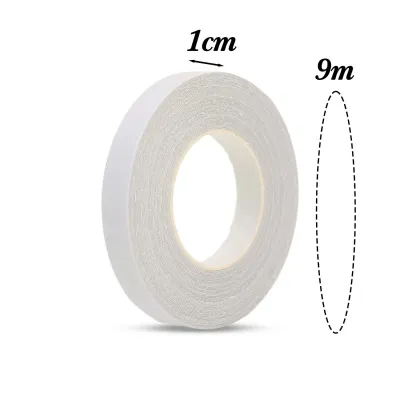
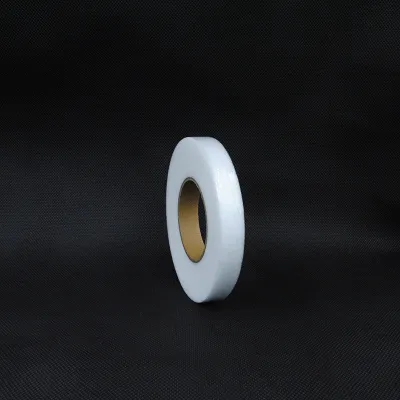
Iron-on hem tape, often referred to as fusible web or bonding tape, relies on a heat-activated adhesive polymer. When sandwiched between two layers of fabric and pressed with a hot iron, the adhesive melts, flowing into the fibers of the textile. As it cools, the polymer solidifies, creating a chemical and physical bond that fuses the layers together. This process completely eliminates the need for thread, making it a popular choice for quick alterations and individuals who do not own sewing equipment.
Products mentioned in this guide
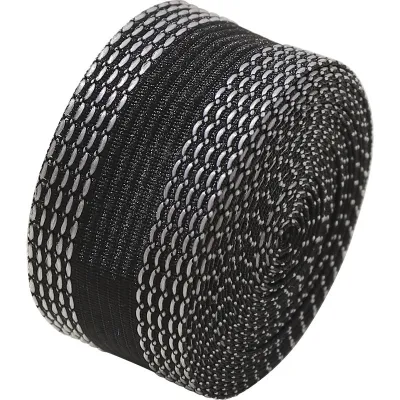
Prices are valid at publication and may change. Please refer to the product page for the latest price.

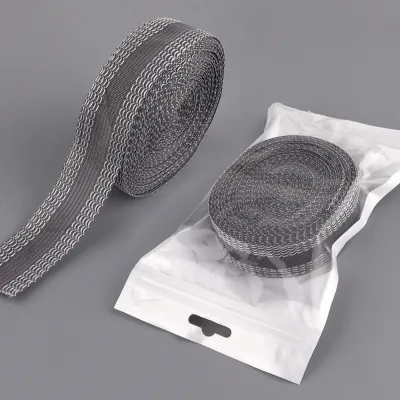
In contrast, sew-in hem tape is a non-adhesive woven strip, typically made of cotton, polyester, rayon, or nylon. Common styles include twill tape, seam binding, and lace hem tape. Unlike its adhesive counterpart, sew-in tape does not bond the fabric layers together on its own. Instead, it is stitched onto the raw edge of the pants hem to prevent fraying, add structural integrity, and provide a clean, stable guide for hand-stitching or machine-sewing a blind hem. It acts as an intermediary layer that reinforces the fabric edge before it is folded and secured.
Understanding this fundamental mechanical difference is crucial for predicting how your hem will behave. An iron-on bond creates a stiffened, fused section of fabric that moves as a single, laminated layer. A sew-in hem preserves the natural drape and flexibility of the textile, as the fabric layers are held together by flexible thread loops rather than a solid sheet of adhesive resin.
Fabric Compatibility: Matching Pants Hem Tape to Your Material
Best Fabrics for Iron-On Hem Tape
Iron-on hem tape performs exceptionally well on flat, tightly woven, medium-weight fabrics. Materials such as cotton chinos, polyester-blend trousers, and lightweight wool slacks are ideal candidates for fusible bonding. The flat surface of these textiles allows the melted adhesive to spread evenly, creating a uniform bond across the entire width of the hem. Because these fabrics can withstand the moderate-to-high heat settings required to melt the adhesive, the risk of damaging the garment during application is minimal.
However, delicate and heat-sensitive fabrics present significant risks when paired with iron-on tape. Synthetic materials like nylon, acetate, and certain delicate rayons can easily scorch, glaze, or melt under the high temperatures of a household iron. If you attempt to use fusible tape on these fabrics, you run the risk of permanently distorting the fibers or leaving shiny iron marks on the visible side of your trousers.
Furthermore, highly textured or treated fabrics are poorly suited for adhesive bonding. Materials like corduroy, velvet, heavily embossed brocades, or garments with water-resistant and stain-resistant coatings prevent the liquefied adhesive from penetrating the fibers. This results in a weak, superficial bond that will quickly fail under the stress of movement or washing. For these specialty materials, avoiding heat-activated adhesives is essential to preserve both the texture and the structural integrity of the garment.
Best Fabrics for Sew-In Hem Tape
Sew-in hem tape is the industry standard for heavy, bulky, or highly textured fabrics. Heavy denim jeans, thick wool over-trousers, and corduroy pants require a mechanical connection to hold their weight. The thickness of these fabrics acts as an insulator, preventing the heat of an iron from reaching and fully melting an internal adhesive layer. By using sew-in tape, you bypass the limitations of heat transfer entirely, securing the heavy folds with high-tensile sewing thread that easily pierces the thickest layers.
Heat-sensitive synthetics and ultra-delicate luxury fabrics also benefit immensely from sew-in tape. Because no heat is required to apply the tape, there is zero risk of scorching silk, melting nylon, or altering the drape of delicate crepes. The sew-in tape is gently basted to the raw edge, providing a stable boundary that prevents delicate threads from unraveling without changing the physical properties of the fabric itself.
Additionally, loosely woven fabrics that are highly prone to fraying, such as tweed, linen, or coarse wool, are perfect candidates for sew-in hem tape. Applying a woven seam binding or twill tape over the raw edge encases the loose fibers, stopping them from shedding during wear and wash cycles. This structural reinforcement ensures that the hem remains neat and intact over years of use, something an adhesive tape cannot guarantee on loose fiber structures.
Durability and Washability: How Long Will the Hem Last?
Longevity and Maintenance of Iron-On Hems
The adhesive bond created by iron-on hem tape is inherently temporary and subject to gradual degradation. Over time, exposure to water, laundry detergents, and mechanical agitation in the washing machine will cause the polymer to break down. This degradation is particularly pronounced in warm or hot water washes, which can soften the adhesive and cause the fused layers to delaminate. In humid climates, such as Singapore’s, the combination of ambient moisture and sweat can also accelerate the weakening of the chemical bond.
Peeling almost always begins at the high-stress areas of the garment, specifically at the side seams and the back of the heel where the fabric naturally flexes and rubs against footwear. Once a small section of the adhesive begins to lift, the rest of the hem quickly follows, requiring you to completely clean off the old residue and reapply a fresh strip of tape. If you frequently dry-clean your trousers, be aware that dry-cleaning solvents can dissolve certain fusible adhesives, causing the hem to fall apart after a single trip to the cleaner.
To maximize the lifespan of an iron-on hem, always consult the tape manufacturer’s specific care instructions. Washing the pants in cold water on a gentle cycle and line-drying them instead of using a high-heat tumble dryer will prolong the life of the adhesive. However, even with meticulous care, most iron-on hems will eventually require touch-ups or complete re-bonding after several months of regular wear.
Longevity and Maintenance of Sew-In Hems
A hem secured with sew-in tape and proper stitching is a permanent structural alteration that often outlasts the garment itself. Because the bond relies on mechanical interlocking threads rather than chemical adhesion, it is completely unaffected by washing temperatures, laundry detergents, dry-cleaning solvents, or ambient humidity. The woven tape protects the raw fabric edge from friction inside the washing machine, ensuring that the hem does not fray or weaken over hundreds of wash cycles.
Maintenance for a stitched hem is exceptionally low. The only common issue is an occasional loose or broken thread caused by catching the hem on a sharp object. If a thread breaks, the damage is localized; the woven hem tape remains securely attached to the fabric edge, and the loose section can be easily repaired with a few quick hand stitches. You do not need to disassemble the entire hem or strip away old adhesive to restore its strength.
For trousers that experience heavy daily wear, such as school uniforms, work trousers, or outdoor gear, the physical durability of a stitched hem is unmatched. The mechanical flexibility of thread allows the hem to stretch and yield to your body’s movements without snapping, providing reliable performance under high physical stress.
Ease of Use: Tools, Time, and Skill Required
The Iron-On Application Process
Applying iron-on hem tape is a straightforward, rapid process that requires minimal equipment. The essential tools include a standard household iron, an ironing board, and a damp pressing cloth. The pressing cloth is a critical safety component; it protects the face of your pants from direct heat and prevents any stray adhesive from transferring onto your iron’s soleplate. The entire application process typically takes less than ten minutes per pair of pants, making it an incredibly efficient method for last-minute adjustments.
Despite its simplicity, the iron-on method demands precise execution. You must carefully measure and press the fold of your hem before inserting the tape to ensure a straight line. Once the tape is positioned, you must apply firm, stationary pressure with the iron for a specified number of seconds—usually between 10 to 15 seconds—using steam to activate the glue. Sliding the iron back and forth like a traditional iron must be avoided, as this motion can shift the tape inside the fold, resulting in a crooked, wrinkled hem.
If you make a mistake during the pressing phase, correcting it can be difficult. Once the adhesive cools and cures, the fabric is permanently bonded. Realignment requires reheating the area to melt the glue again, peeling the hot fabric apart, and dealing with sticky residue that can ruin the appearance of light-colored or delicate textiles.
The Sew-In Application Process
The sew-in hemming method is a more deliberate, multi-step craft that requires a basic set of sewing tools. You will need hand-sewing needles or a sewing machine, pins, fabric scissors, matching sewing thread, and a fabric chalk or marker. This process takes significantly longer than using fusible tape—often requiring 30 to 45 minutes of focused work, depending on whether you are stitching by hand or using a machine.
However, this method offers unparalleled control and adjustability. Before a single permanent stitch is placed, you can pin the hem tape to the raw edge, fold the hem up, and pin it in place. This allows you to try on the pants, check the drape in a mirror, and make micro-adjustments to the length. If the hem is uneven, you simply reposition the pins—there is no permanent commitment until you begin sewing.
Executing a clean hand-sewn blind stitch or operating a sewing machine does require some practice, but the skill is highly accessible. The sew-in tape acts as a rigid guide, making it much easier to maintain a straight, professional-looking stitch line. Because you are not fighting sticky glue or worrying about temperature settings, the process is highly predictable and forgiving for beginners who are willing to take their time.
Cost and Value: Upfront Expense vs Long-Term Investment
When analyzing the financial aspect of hemming, both options are highly affordable, though they distribute their costs differently. Iron-on hem tape is inexpensive upfront and requires no specialized tools beyond a standard household iron, which most households already own. This makes it an incredibly cost-effective option for quick, occasional repairs or for altering fast-fashion garments that are not expected to remain in your wardrobe for years.
Sew-in hem tape itself is also very inexpensive, but the overall setup cost can be slightly higher if you do not already own basic sewing supplies like needles, high-quality thread, pins, and fabric shears. If you choose to use a sewing machine, the upfront investment increases significantly, though hand-sewing remains a virtually free alternative.
From a long-term value perspective, sew-in tape is the clear winner for quality garments. Because a stitched hem is permanent and highly durable, you will not need to spend money or time repeatedly purchasing replacement tape to re-fix falling hems. For expensive suits, high-quality denim, or garments worn weekly, the durability of a stitched hem preserves the value of your clothing investment. When sourcing these materials in Singapore, you can easily find both varieties at local haberdashery shops in neighborhoods like Chinatown, specialized craft stores in central shopping districts, or via online marketplaces.
Final Decision Framework: How to Choose Your Hemming Method
To select the ideal hemming method for your specific project, evaluate your materials and goals against this practical decision framework:
- Choose Iron-On Hem Tape if:
- You are working with lightweight to medium-weight, flat-woven fabrics like cotton, linen, or polyester blends.
- You need a quick, no-sew alteration completed in under ten minutes.
- You do not own sewing tools and do not wish to learn hand-stitching techniques.
- The pants are for temporary wear, occasional events, or are fast-fashion pieces with a limited lifespan.
- Choose Sew-In Hem Tape if:
- You are altering heavy, bulky, or textured fabrics such as denim, thick wool, corduroy, or tweed.
- You are working with highly heat-sensitive synthetics (like nylon) or delicate luxury fabrics (like silk) that risk melting or scorching.
- You want a permanent, professional-grade hem that can withstand frequent washing, hot water, and heavy daily wear.
- You want the ability to adjust and fit the hem length multiple times before securing it.
- Verify First if:
- The pants are labeled "Dry Clean Only." Certain dry-cleaning solvents will dissolve fusible adhesives, making sew-in tape the mandatory choice.
- The garment has complex existing seams, heavy topstitching, or a water-resistant coating that could interfere with adhesive bonding or needle penetration. Always check the garment's care label and fiber content before starting your alteration.
Frequently Asked Questions (FAQ)
Can I use iron-on hem tape on heavy denim jeans?
Using standard iron-on hem tape on heavy denim jeans is generally not recommended and frequently results in failure. Denim is a thick, tightly woven, and heavy utility fabric. The sheer bulk of the material, especially where the side seams meet the hem, acts as a thermal barrier that prevents a standard household iron from transferring enough heat to melt and activate the adhesive uniformly. Furthermore, the constant flexing and weight of denim during movement put intense physical stress on the hem, causing standard adhesives to peel away after just one or two wears. If you must use a fusible option, you must purchase a specialty, heavy-duty fusible web specifically rated for denim and workwear, though a traditional stitched hem reinforced with sew-in tape remains the most reliable and permanent solution.
How do I safely remove iron-on hem tape residue?
To safely remove iron-on hem tape residue, you must reheat the adhesive to soften it. Place a clean, scrap piece of cotton fabric or a paper towel directly over the residue, and press it with a hot iron using plenty of steam for 5 to 10 seconds. The softened adhesive should transfer from your pants onto the scrap fabric or paper towel as you peel it away. For any remaining sticky spots, allow the fabric to cool completely, then apply a small amount of rubbing alcohol or a commercial adhesive remover to a cotton swab. Gently blot the residue, allowing the solvent to dissolve the polymer, and scrape it away with the edge of a plastic spoon. Always test the solvent on an inconspicuous, hidden area of the pants first—such as the inside of a pocket or the inner seam—to ensure it does not cause discoloration or fabric damage.
Community discussion
Share your experience or ask a question. Comments are reviewed before publication.