
Choosing between iron-on and self-adhesive leather patch tape depends primarily on the heat tolerance of your base material and the level of durability your repair demands. While both options offer a practical way to mend tears, cover blemishes, or reinforce worn areas, they rely on entirely different bonding mechanisms. Understanding these mechanisms is key to selecting the right product for your specific project.
Iron-on leather patch tape utilizes a heat-activated adhesive. This type of tape requires an external heat source, typically a household iron, to melt the dry adhesive backing so it can fuse with the fibers of the base material. Because the adhesive liquefies and penetrates the substrate before cooling and solidifying, it generally creates a highly durable, integrated bond. However, this process requires the base material to withstand high temperatures without warping, melting, or scorching.
In contrast, self-adhesive leather patch tape features a pressure-sensitive adhesive backing protected by a peel-off liner. This method requires no heat or specialized tools; you simply cut the patch to size, peel away the backing, and press it firmly onto the damaged area. While highly convenient and safe for heat-sensitive materials, pressure-sensitive adhesives rely on surface contact and may be more prone to peeling over time, especially on items subjected to constant flexing or environmental exposure.
Products mentioned in this guide
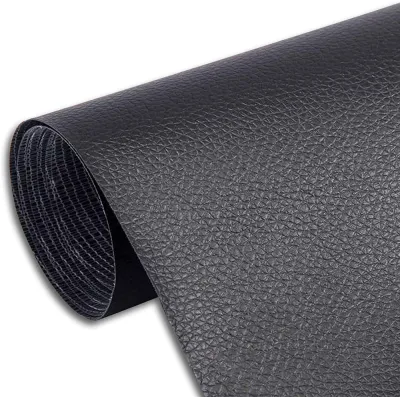
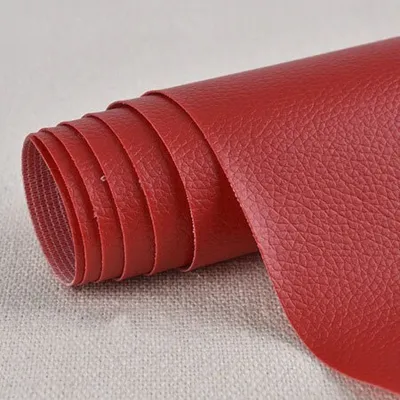
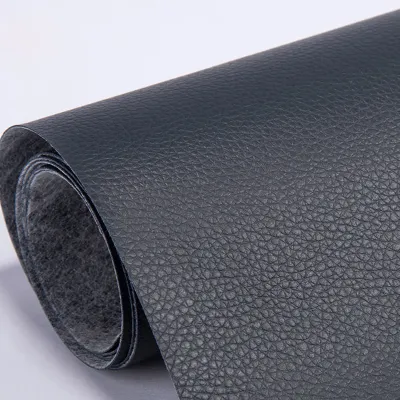
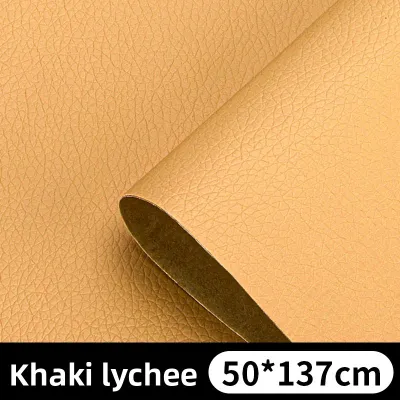
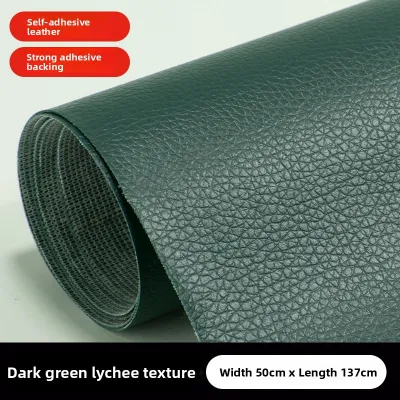
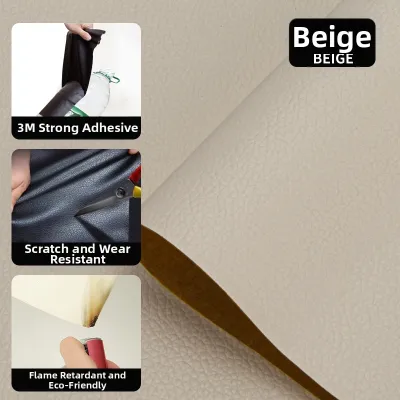
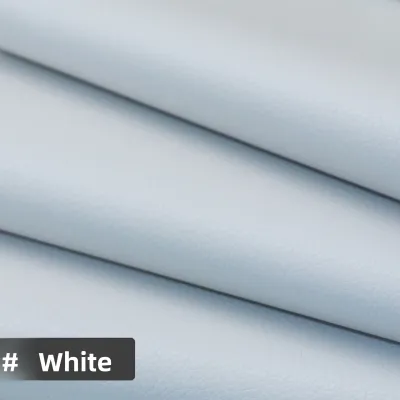
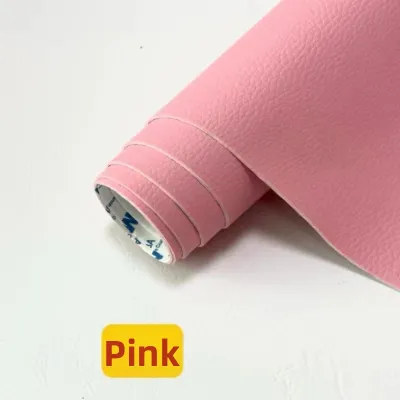
Prices are valid at publication and may change. Please refer to the product page for the latest price.
It is important to note that “leather patch tape” refers to the face material—which can be genuine leather, polyurethane (PU) leather, or other synthetic alternatives—while the adhesive type dictates the application method. Matching the adhesive style to your specific item ensures a repair that looks clean and lasts.
Evaluating Your Repair Needs: Material, Durability, and Convenience
To determine which adhesive method is appropriate for your repair, you must first evaluate the base material of the item you are fixing. Genuine leather, heavy denim, and sturdy canvas are generally excellent candidates for heat-activated applications because they can tolerate the temperatures required to melt the adhesive backing. Synthetic leathers, such as polyurethane (PU) or polyvinyl chloride (PVC), have much lower melting points and can easily warp, blister, or melt when exposed to a hot iron. For these heat-sensitive synthetics, a pressure-sensitive, self-adhesive patch is almost always the safer choice to prevent irreversible thermal damage.
Durability and washability are equally critical factors in your decision-making process. Heat-activated adhesives typically offer superior long-term bond strength because the liquefied glue flows into the microscopic pores and fibers of the base material, creating a mechanical lock once cooled. This makes iron-on patches highly resistant to peeling, lifting, and the rigors of laundering. If you are repairing a garment that will be washed frequently, or an item subjected to heavy friction, an iron-on patch provides a more permanent solution. Self-adhesive patches, while initially strong, rely on a surface-level chemical bond that can degrade when exposed to moisture, body oils, cleaning solvents, or repeated mechanical stress.
The convenience of the application process also varies significantly between the two types. Applying an iron-on patch requires a dedicated setup, including a reliable household iron, a flat and heat-resistant surface, and a pressing cloth to protect the leather face from direct heat. This process demands careful temperature control and precise timing to ensure the adhesive melts fully without damaging the patch or the surrounding material. Self-adhesive patches offer unmatched convenience, requiring only a pair of scissors to cut the tape to shape and your hands to apply firm pressure. This makes them ideal for quick, on-the-go repairs where setting up an ironing station is impractical.
Finally, consider the reversibility of the repair and the potential for adhesive residue. Removing a heat-activated patch is extremely difficult once the adhesive has fused with the base fibers; attempting to peel it off often tears the underlying material or leaves a thick, hardened residue that is nearly impossible to clean. Self-adhesive patches are generally easier to reposition during application and can be removed with less effort, though they may still leave a sticky residue. This residue can often be cleaned with mild adhesive removers, making self-adhesive tape a more forgiving option if you anticipate needing to adjust or replace the patch in the future.
Essential Preparation and Safety Checks Before Application
Regardless of the adhesive type you choose, thorough surface preparation is the single most important factor in achieving a successful, long-lasting repair. Leather surfaces naturally accumulate dust, body oils, conditioners, and environmental grime, all of which act as barriers that prevent adhesives from bonding properly. Before applying any patch tape, clean the repair area thoroughly with a mild, non-oily cleaner or a specialized leather prep solution. Ensure the area is completely dry before proceeding, as trapped moisture will ruin the adhesive bond and can lead to mold growth beneath the patch.

If you are leaning toward an iron-on patch, performing a heat tolerance test is an essential safety step to protect your item from ruin. Always check the manufacturer’s care label on the item for heat warnings or ironing instructions. If no label is available, locate a hidden or inconspicuous area on the item—such as an inside hem, a pocket lining, or the underside of a collar—and press a warm iron against it using a protective cloth for a few seconds. Inspect the test area closely for any signs of discoloration, hardening, shrinking, or melting; if any of these occur, do not use an iron-on patch.
The physical conditions of the application also play a major role in the success of the bond. Both heat-activated and pressure-sensitive adhesives require a hard, flat, and stable surface during application to ensure even contact across the entire surface of the patch. Avoid applying patch tape over thick seams, heavy folds, or highly textured decorative elements, as these uneven areas create air pockets where the adhesive cannot bond, leading to premature peeling. When applying pressure, work from the center of the patch outward to expel any trapped air and secure the edges firmly.
Knowing when to stop and seek professional assistance is crucial for preserving high-value or delicate items. If the base material shows any signs of thermal distress during your heat test, or if you are unsure of the material composition, halt the DIY process immediately. For luxury leather goods, heirloom garments, or items with complex structural damage, a self-applied patch may devalue the item or cause permanent aesthetic damage. In these cases, consulting a professional leather repair specialist or a qualified tailor is the safest course of action.
Final Decision Guide: Matching the Tape to Your Project
To finalize your choice, match the specific characteristics of your repair project to the strengths of each tape type. Choose iron-on leather patch tape if your base material is highly heat-tolerant, such as heavy cotton canvas, denim, or robust genuine leather, and the item will undergo frequent washing or heavy physical wear. This method is ideal for workwear, outdoor gear, and structural repairs where maximum durability is the primary goal, provided you have the necessary tools and a safe environment to perform the application.
Opt for self-adhesive leather patch tape if you are working with heat-sensitive materials like polyurethane (PU) leather, vinyl, delicate synthetic fabrics, or thin genuine leather that might scorch. It is also the best choice for quick, temporary fixes, low-stress decorative applications, or when you do not have access to an iron and pressing cloth. This peel-and-stick method is highly suited for repairing office chairs, car seats, and interior upholstery where heat application is difficult or dangerous.
Always verify the material and value of your item before proceeding with any adhesive repair. If the item is expensive, structurally compromised, or made of an unknown fiber blend, consider testing a small scrap first or opting for a non-adhesive repair method. For high-stress areas that experience constant pulling or flexing, such as elbow joints or seat cushions, neither adhesive alone may be permanent. In these scenarios, a helpful reinforcement tip is to sew around the perimeter of either patch type after application, combining the immediate hold of the adhesive with the structural security of thread.
Frequently Asked Questions (FAQ)
Can I use self-adhesive patches on genuine leather?
Yes, you can use self-adhesive patches on genuine leather, but you must take specific precautions to ensure a secure bond. Genuine leather is a natural, porous material that often contains oils, waxes, and conditioners applied during manufacturing or maintenance. These substances can migrate to the surface and interfere with pressure-sensitive adhesives, causing the patch to peel prematurely. To prevent this, clean the application area thoroughly with a leather-safe degreaser or rubbing alcohol to remove surface oils, allowing the area to dry completely before applying the patch. Keep in mind that on highly flexible leather items like jackets, gloves, or soft bags, the constant bending and stretching of the material may eventually cause the edges of a self-adhesive patch to lift, requiring occasional replacement or edge reinforcement.
Will iron-on patches damage synthetic leather?
Yes, iron-on patches carry a high risk of damaging synthetic leather, and their use is generally discouraged on these materials. Synthetic leathers, such as polyurethane (PU) and polyvinyl chloride (PVC), are essentially plastics coated onto a fabric backing. These materials have very low melting points compared to natural fibers or genuine leather. Applying the high heat of an iron—even through a protective pressing cloth—can easily cause the synthetic surface to melt, warp, blister, or discolor permanently. Always check the care label of your synthetic leather item, and unless the manufacturer explicitly states that the material can withstand high iron temperatures, avoid heat-activated patches entirely. For synthetic leather repairs, self-adhesive patches or specialized air-dry leather adhesives are much safer and highly effective alternatives.
Community discussion
Share your experience or ask a question. Comments are reviewed before publication.