
The best version of the ILLIT ‘Toki yo Tomare’ album depends entirely on your specific collecting priorities, whether that is securing exclusive first-press photocards, maximizing shelf display aesthetics, or managing your budget. If your main goal is to obtain rare, limited-edition inclusions and concept-specific merchandise, the limited or first-press editions are the optimal choice. For collectors who prioritize space-saving storage or specific retailer pre-order benefits, compact or platform editions offer a practical alternative. Ultimately, because exact inclusions and availability vary by release batch, you should base your final decision on a direct comparison of the official photocard pools, physical dimensions, and media formats outlined below.
Evaluating these options systematically ensures you do not overspend on duplicate packaging while missing out on the specific visual concepts or collectible cards you desire most. By understanding how each edition is structured, you can plan your purchase to align with your storage space, playback setup, and aesthetic preferences.
Identifying the Available 'Toki yo Tomare' Editions
K-pop releases typically follow a tiered structure designed to appeal to different types of collectors, and the ‘Toki yo Tomare’ album is no exception. Standard or regular editions form the core of the release, usually featuring large-format photobooks that showcase the group’s primary visual concepts. These editions are widely available and are ideal for fans who want a complete, high-quality physical record of the album’s aesthetic theme.
Products mentioned in this guide
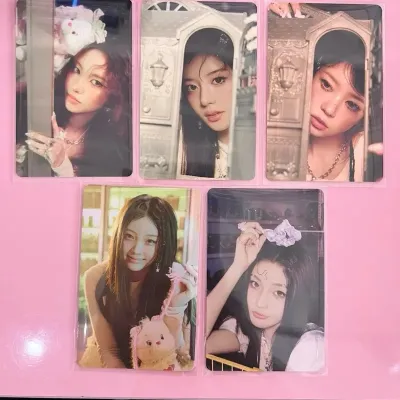
![[PHOTOCARD] ILLIT Japan 1st Single Toki Yo Tomare Weverse POB / Lucky Draw](https://img.lazcdn.com/g/p/f6bf19874f6903a4d2a2c502171c8cd6.png_400x400q80.png_.webp)
Prices are valid at publication and may change. Please refer to the product page for the latest price.
Limited or first-press editions are produced in smaller quantities and are often restricted to the initial manufacturing run. These versions frequently include exclusive physical items, such as special packaging finishes, larger posters, or unique collectible cards that are not included in subsequent printings. Because these items are highly sought after, they tend to sell out quickly during the pre-order phase and can command premium prices on secondary markets later on.
Compact, eco-friendly, or platform-specific formats offer a streamlined alternative to traditional bulky albums. Often released as digipacks, jewel cases, or digital-access platform albums (such as QR code or NFC-enabled cards), these versions minimize physical waste and require very little storage space. This makes them highly practical for collectors living in space-constrained environments, such as typical apartments in Singapore, where dedicated shelf space for large memorabilia is limited. Exact version names, concept themes, and availability windows must always be verified against the official label’s announcements before purchasing.
Evaluating Photocards and Collector Inclusions
For many collectors, the photocards included inside the album are the primary motivation for making a purchase. Standard editions of ‘Toki yo Tomare’ typically feature a randomized selection of individual member cards, group cards, or concept-specific behind-the-scenes shots. The total pool of cards for standard editions is usually quite large, meaning that completing a full set of your favorite member’s cards will require either purchasing multiple copies or trading with other fans.

First-press exclusive items add another layer of value for early buyers. These can include mini-photobooks, sticker sheets, or limited-edition trading cards that are packaged directly inside the first batch of albums. If you enjoy the thrill of unboxing rare items or want to secure these limited pieces before they become scarce, prioritizing a first-press edition is highly recommended.
Pre-Order Benefits (POBs) are another crucial factor to consider. Authorized online merchandise stores and global retailers often offer exclusive, version-specific photocards as an incentive for ordering early. These POBs are separate from the cards found inside the album packaging and vary significantly from one retailer to another. When choosing where to buy your album, compare the POB styles offered by different platforms, as some may feature holographic finishes, special back designs, or exclusive selfie concepts that align better with your collection goals.
Assessing Packaging, Media Formats, and Display Value
The physical presentation of each edition determines how well it will fit into your home display and how easily it can be preserved over time. Standard photobook editions are typically bound like high-quality magazines or softcover books, offering excellent visual impact when displayed face-out on a shelf. However, their larger dimensions mean they require sturdy shelving and careful handling to prevent corner damage and spine creasing.
Compact and platform editions trade display presence for convenience. Digipacks and jewel cases are much smaller and fit easily into standard CD racks, while platform albums often consist of a simple cardholder or a small sleeve containing a QR code card and a few photocards. While these minimalist formats are highly efficient, they do not offer the same tactile reading experience as a full-sized photobook.
Media compatibility is another practical consideration. Traditional standard and compact editions usually contain a physical CD, which requires a dedicated CD player or a computer with an external disc drive to play. In contrast, platform editions do not include a physical disc; instead, they utilize a QR code or NFC chip that links to a dedicated mobile application, allowing you to stream the music and view digital photobooks directly on your phone. This digital-first format is highly convenient for modern listeners who no longer own physical playback equipment.
Finally, consider the protective qualities of the packaging, especially if you live in a warm, humid climate like Singapore’s. High humidity can cause paper photobooks to warp and glossy photocards to stick together or bend over time. Box-style packaging offers the best protection against environmental dust and moisture, whereas open-ended sleeves or thin paper envelopes leave the contents more vulnerable. Regardless of the version you choose, investing in acid-free plastic sleeves and storing your collection in a dry, temperature-controlled area is essential for long-term preservation.
Decision Framework: Which Version Should You Choose?
To make the right choice, you must balance your budget, available storage space, and collecting goals. If you are a dedicated collector who wants the complete visual experience and all possible physical keepsakes, purchasing a set of the standard photobook editions is the most satisfying route. If you are on a budget or have limited shelf space, opting for a single compact or platform edition allows you to support the artist and collect photocards without cluttering your living area.
The following comparison table maps common collector priorities to the most suitable edition types to help guide your decision:
| Collector Priority | Recommended Edition Type | Key Advantages | Primary Trade-offs |
|---|---|---|---|
| Maximum Inclusions & Rarity | Limited / First-Press Edition | Exclusive merchandise, rare cards, premium packaging | Higher initial cost, limited availability window |
| Visual Display & Aesthetics | Standard Photobook Edition | Large high-quality photos, excellent shelf presence | Takes up significant physical space, heavier to ship |
| Budget-Friendly & Compact | Compact / Digipack Edition | Lower price point, standard CD format, easy to store | Smaller photobook, fewer physical inclusions |
| Minimalist & Digital-First | Platform / QR Edition | Extremely space-saving, digital playback, lower cost | No physical CD, minimal physical packaging |
If your goal is to collect a complete set of photocards for a specific member, buying multiple copies of the same standard version is rarely the most cost-effective strategy due to the randomized nature of the packaging. Instead, consider buying one or two versions that you genuinely want to display, and then utilize local fan communities or trusted online marketplaces to trade your duplicate cards for the ones you need. This approach saves money and helps you connect with other local collectors.
Verifying Official Specifications Before You Buy
Before finalizing your purchase, it is important to verify the exact specifications of the album to ensure you are getting exactly what you expect. Always consult the official social media channels of the group’s label or authorized distributor pages to view the confirmed tracklist, packaging dimensions, and inclusion details. Official mock-up images (often called “album details” or “spec sheets”) will show you exactly how many photocards, postcards, and lyric booklets are included in each version.
When shopping on secondary markets or local online marketplaces, use a checklist to verify the authenticity of the listing. Ensure the seller explicitly states whether the album is “sealed” (containing all original random inclusions) or “unsealed” (often sold without photocards at a lower price). Look for indicators of first-press status, such as specific exterior stickers or confirmed pre-order benefits, if those are important to you. Additionally, check if the retailer is a member of the Hanteo or Circle Chart family, which guarantees that your purchase contributes directly to the group’s official sales charts.
Finally, factor in the total cost of acquisition, including international shipping fees and local import taxes. When ordering albums from overseas distributors to Singapore, shipping costs can sometimes equal or exceed the price of the album itself. Group orders organized by local fan bases can be an excellent way to split shipping costs, but always ensure the group order organizer has a transparent track record of successful deliveries before sending any payment.
Frequently Asked Questions (FAQ)
Does buying multiple 'Toki yo Tomare' versions guarantee different photocards?
No, buying multiple versions does not guarantee that you will receive different photocards. While different album versions (such as Version A and Version B) usually feature distinct concept photos and separate photocard pools, the individual cards packaged inside each album are randomized. This means that if you purchase two copies of the same version, or even different versions that share a partial card pool, you may still end up with duplicate cards of the same member. To avoid duplicates and complete your collection efficiently, many fans choose to buy a complete set from a single retailer during the pre-order period, as some stores attempt to minimize duplicates when shipping full sets, or they rely on trading with other collectors in the local community.
Community discussion
Share your experience or ask a question. Comments are reviewed before publication.