
Finding reliable snap fasteners in Singapore requires balancing fabric compatibility, installation tools, and resistance to the local humid climate. Whether you are crafting lightweight baby apparel or heavy-duty canvas bags, a failed snap can ruin an entire sewing project. To ensure durability, look for brands that offer strict manufacturing tolerances, clear material specifications, and dedicated setting tools. This guide outlines how to evaluate snap fastener brands, compare material options, and source authentic hardware for your next project.
Core Criteria for Evaluating Snap Fastener Reliability
When assessing the reliability of a snap fastener brand, consistency across production batches is the primary indicator of quality. A reputable manufacturer ensures that every cap, socket, stud, and post matches exact millimeter specifications. Even a fraction of a millimeter of deviation can lead to loose closures or crushed components during installation. When purchasing, examine the alignment of the cap and the length of the post; uniform dimensions prevent fabric distortion and ensure a secure grip.
Clear and transparent manufacturer specifications are equally vital. Reliable brands explicitly state the material composition of their fasteners—such as solid brass, stainless steel, or polyacetal resin—along with recommended fabric weight limits. This transparency allows you to match the fastener’s structural strength to your fabric’s weight, preventing the hardware from tearing through delicate weaves or failing to close over thick layers.
Products mentioned in this guide
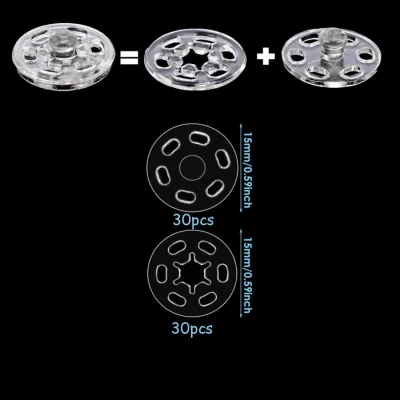
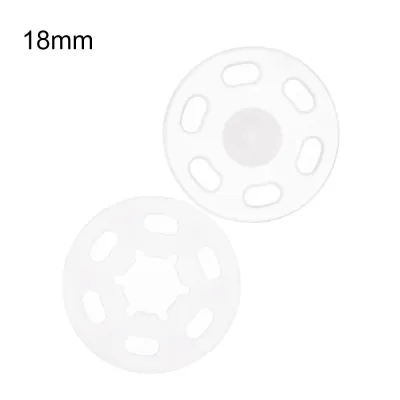
Prices are valid at publication and may change. Please refer to the product page for the latest price.
Another hallmark of a trustworthy brand is the availability of proprietary or certified compatible installation tools. Because snap fasteners rely on precise mechanical deformation to lock into place, using mismatched setting dies often results in ruined fasteners. Brands that provide dedicated pliers, tabletop press dies, or anvil sets designed specifically for their hardware ensure a much higher success rate.
When evaluating brands, look for international safety and quality certifications, such as the OEKO-TEX Standard 100. This certification ensures that the fasteners, whether metal or resin, are free from harmful levels of chemicals and heavy metals like lead or nickel. This is particularly crucial for projects involving prolonged skin contact or children’s wear, where safety standards are strictly regulated.
Finally, look for brands that provide comprehensive care instructions, including washing tolerances, dry-cleaning compatibility, and heat resistance. In Singapore’s warm climate, garments undergo frequent laundering, making heat and moisture resistance critical. A reliable brand will clearly state whether their resin snaps can withstand high-temperature ironing or if their metal snaps require specific drying conditions to prevent tarnishing.
Key Dimensions to Compare Snap Fastener Options
To select the right snap fastener for your project, you must evaluate several physical and functional dimensions.

Material Composition: The choice between brass, stainless steel, and resin dictates both the durability and the drape of your project. Brass is highly favored for its natural resistance to rust, making it excellent for everyday apparel, though it must be high-quality to avoid nickel allergies. Stainless steel offers superior strength for heavy-duty applications like upholstery or outdoor gear, but it is heavier and stiffer. Resin or plastic snaps provide a lightweight, rust-proof alternative that is gentle on delicate fabrics and ideal for items requiring frequent washing.
In Singapore’s highly humid climate, the choice of material is not just about aesthetics but also about longevity. High relative humidity accelerates the oxidation of low-grade metals, leading to unsightly rust stains on your fabrics. Therefore, verifying that a brand uses solid brass or marine-grade stainless steel rather than simple iron with a thin plating is essential for any project that will be frequently laundered or exposed to the elements.
Cap and Post Dimensions: You must match the prong or post length to the compressed thickness of your fabric layers. If the post is too short, it will not clear the fabric to crimp securely over the stud or socket; if it is too long, the post will bend or collapse unevenly, preventing a flush fit. Measure your fabric thickness with a caliper when compressed, and compare this to the manufacturer’s specified post length to ensure a perfect match.
Grip and Tension: The holding power of a snap is determined by its internal spring mechanism or socket depth. Heavy-duty projects require high-tension snaps (often utilizing a ring-spring or parallel-spring mechanism) to prevent accidental opening under load. Conversely, lightweight garments require low-tension snaps (such as pronged ring snaps or flexible resin snaps) that open smoothly without putting excessive stress on the surrounding fabric fibers.
Additionally, consider the ease of use for the end user. For instance, children’s wear and adaptive clothing require snaps that can be opened with minimal effort, whereas activewear and bags demand high-retention fasteners that stay secure during vigorous movement. Testing the snap tension on a fabric swatch that mimics your final project layers will help you determine if the grip is appropriate.
Finish and Coating: Inspect the surface finish of the fasteners for smooth, rounded edges. Sharp burrs or uneven edges can snag fabric threads, leading to premature wear and tearing. For coated or painted metal snaps, verify whether the finish is chemically bonded or electroplated, as cheap painted finishes are highly prone to chipping, scratching, and exposing the underlying metal to atmospheric moisture.
Common Snap Fastener Types and Brand Positioning
Snap fasteners generally fall into two main categories based on their material and attachment mechanisms. Reliable brands design these product lines to address specific fabric weights, structural demands, and user skill levels, ensuring that both hobbyists and professional tailors can find compatible hardware.
Metal Prong and Spring Snaps
Metal snaps are the traditional choice for projects requiring high shear strength and a classic aesthetic. They are ideal for heavy-duty garments, denim jackets, canvas bags, and outdoor gear where the fastener must withstand significant physical tension. Within this category, you will find pronged ring snaps, which use small teeth to penetrate knit fabrics without cutting the fibers, and post-style snaps, which require a pre-punched hole for thicker materials.
Quality markers for metal snaps include robust corrosion resistance, uniform prong alignment, and a smooth, consistent spring action. When testing a high-quality metal snap, the socket should engage the stud with a distinct, audible click and release without sticking or requiring excessive force.
However, metal snaps have distinct limitations. If the protective plating or lacquer is compromised, base metals can react with moisture and sweat, leading to rust or green corrosion (verdigris). Additionally, the weight of metal hardware can distort lightweight or highly drapeable fabrics, such as silk or thin jersey, causing the fabric to sag or tear around the installation site.
Resin and Plastic Snaps
Resin snaps, typically molded from high-grade polyacetal plastic, offer a modern, lightweight alternative to metal hardware. These fasteners are highly popular for baby clothing, children’s wear, lightweight crafts, and medical apparel where metal-free construction is required for safety or comfort. Because they do not conduct heat or electricity, they are also suitable for specialized industrial applications.
Key quality markers for resin snaps include UV stability, flexibility without cracking, and precise molding. High-quality resin snaps feature perfectly smooth caps without sharp seams or flashing left over from the injection molding process. They should snap together securely and maintain their grip tension even after hundreds of wash cycles.
Despite their versatility, resin snaps have lower shear strength than their metal counterparts and can fail under heavy structural loads. They are also susceptible to damage from extreme heat; direct contact with a hot household iron can melt or deform the plastic, permanently ruining the fastening mechanism.
Sourcing and Verifying Snaps in Singapore
Finding authentic, high-quality snap fasteners in Singapore involves a mix of local brick-and-mortar exploration and careful online vetting. Visiting local haberdashery shops in neighborhoods like Chinatown, Arab Street, or suburban craft hubs allows you to physically inspect the hardware before buying. Physical shopping gives you the unique opportunity to perform a manual tension test—snapping and unsnapping a sample to feel the resistance—and to visually inspect the batch for uniform color and finish.
When visiting local haberdashery shops in Singapore, do not hesitate to ask the staff about the origin of their stock. Established shops often source directly from reputable regional distributors, ensuring a level of quality control that anonymous online storefronts cannot guarantee. Building a relationship with local suppliers can also grant you access to bulk purchasing options and specialized advice on tool compatibility.
When sourcing from online marketplaces or specialized sewing e-commerce platforms, you must exercise diligence to avoid counterfeit or substandard products. Check seller ratings, read customer reviews specifically looking for mentions of installation failure, and look for detailed product photos that show the underside of the snaps. Reliable online sellers will provide comprehensive specification sheets detailing the exact dimensions, material composition, and compatible tool models.
To verify the authenticity of branded snaps, pay close attention to the packaging and branding elements. Genuine products from established manufacturers typically feature high-quality packaging with clear batch numbers, barcodes, and official brand logos. Be wary of loose, unbranded snaps sold in plain plastic bags, as these are often factory seconds or generic imitations that lack consistent quality control.
Before committing to a large production run or a complex sewing project, it is highly recommended to order small sample packs. This allows you to conduct a trial installation on scrap pieces of your project fabric. By testing the tension, checking for fabric distortion, and laundering the sample, you can verify the fastener’s performance under real-world conditions without risking your final garment.
Installation Compatibility and Tool Requirements
The reliability of even the highest-quality snap fastener is entirely dependent on correct installation. To prevent fabric damage and fastener failure, you must match the brand’s specific snap size and style to the corresponding setting tool or die. Using a die that is even slightly too large or too small will apply uneven pressure, resulting in bent prongs, crushed caps, or a loose fit that will eventually fall apart.
Different production volumes and user preferences call for different installation tools. Handheld snap pliers are excellent for hobbyists and small-scale projects, offering portability and ease of use for resin snaps and light metal prongs. For heavier metal snaps or higher volume production, a hammer-and-anvil setter kit or a heavy-duty tabletop hand press provides the necessary leverage and vertical alignment to seat the fasteners perfectly flat.
Tabletop hand presses are particularly advantageous for those managing small home businesses or production lines in Singapore. While they require a larger initial space and investment, they allow for interchangeable dies, meaning you can use the same press body for various snap sizes, eyelets, and rivets simply by swapping the metal dies. This versatility makes them a highly cost-effective tool in the long run.
Always consult the manufacturer’s guidelines regarding required pressure and fabric preparation. For most fabrics, especially knits and lightweight woven materials, applying a small square of fusible interfacing to the installation site is crucial. The interfacing reinforces the fabric fibers, preventing the snap from pulling through or tearing the material during repeated use.
If you encounter difficulties during the installation process—such as the fabric being too thick for the post to penetrate, the setting tools failing to align, or the metal prongs bending outward—stop immediately. Forcing the installation can ruin both the fastener and your fabric. In such cases, consult a professional tailor, visit a local sewing machine specialist shop, or contact the manufacturer for guidance on alternative hardware or specialized setting equipment.
Frequently Asked Questions (FAQ)
How do I prevent metal snap fasteners from rusting after washing?
To protect metal snap fasteners from rust, always check the manufacturer’s care label for specific washing, drying, and dry-cleaning limits. When laundering garments with metal snaps, ensure the snaps are fully closed before placing them in the washing machine; this minimizes friction and protects the protective outer plating from scratching. After the wash cycle is complete, dry the items promptly—either in a dryer on a suitable heat setting or by hanging them in a well-ventilated area—to prevent moisture from becoming trapped inside the socket and stud mechanisms. Avoid using harsh chemical detergents, fabric softeners, or chlorine bleach, as these substances can strip away protective coatings and expose the vulnerable base metal to atmospheric humidity.
Can I use a generic tool kit to install branded snap fasteners?
Using a generic tool kit to install branded snap fasteners is generally not recommended due to the high risk of installation failure. Branded snaps are engineered with precise millimeter dimensions, cap curvatures, and post thicknesses that require matching die profiles. A mismatched generic die can easily crush a rounded cap flat, bend the post off-center, or fail to apply enough pressure to roll the metal rim securely over the socket. To achieve a secure, professional finish and prevent damage to your fabric, always use the brand’s proprietary setting tools or verified universal adapters that are explicitly certified as compatible with your specific snap model and size.
Community discussion
Share your experience or ask a question. Comments are reviewed before publication.