
The traditional Chinese betrothal ceremony, known as Guo Da Li, is a significant milestone in the wedding journey. It represents the groom’s formal proposal to the bride’s family, showcasing sincerity, respect, and wishes for a prosperous marriage. Wrapping these ceremonial gifts beautifully is not just about aesthetics; it is a vital expression of cultural respect and family honor.
Properly wrapped gifts demonstrate meticulous preparation and set a joyous tone for the entire wedding celebration. Whether you are handling traditional pastries, delicate jewelry, or ceremonial red packets, mastering the correct wrapping techniques ensures your presentation is both culturally appropriate and visually stunning. This guide provides a comprehensive, step-by-step walkthrough to help you prepare and wrap your betrothal gifts with confidence and precision.
Essential Materials and Cultural Guidelines for Guo Da Li Wrapping
Before cutting any paper or tying any ribbons, selecting the right materials is crucial. Traditional etiquette dictates specific color palettes and decorative motifs that convey blessings, while modern practicalities require durable wrapping supplies to protect the gifts during transit.
Products mentioned in this guide
![[IN SG STOCK]2026 Big Size Cloth Wedding Red Packet HongBao AngPao Chinese Double Happiness Guo Da Li Dowry Gift Envelope Singapore](https://img.lazcdn.com/g/p/024b17400aa20c3d795b676c96dc66f4.jpg_400x400q80.jpg_.webp)
Prices are valid at publication and may change. Please refer to the product page for the latest price.
- Auspicious Color Palettes: Red and gold are the primary colors for any traditional Chinese wedding celebration. Red symbolizes joy, vitality, and good fortune, while gold represents wealth, luxury, and prosperity. When choosing wrapping papers, ribbons, and decorative accents, prioritize vibrant shades of crimson, scarlet, and metallic gold. Conversely, strictly avoid colors associated with mourning or somber events, such as black, white, dark grey, or plain blue. Even subtle accents of these colors should be avoided to maintain a purely festive and positive atmosphere.
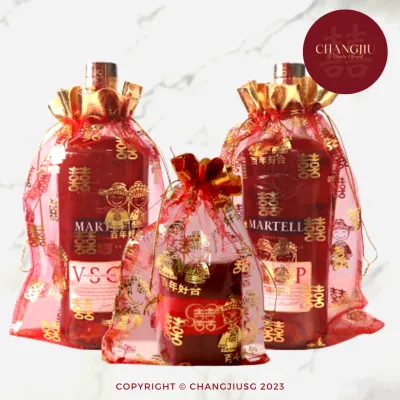
- Selecting Durable Wrapping Supplies: Betrothal gifts vary in weight, from heavy wine bottles to lightweight pastry boxes. Choose high-quality wrapping paper with a substantial weight, such as 80 to 120 gsm, to prevent tearing at the corners. Textured papers, metallic foil wraps, and embossed patterns add a premium feel. For securing the paper, use high-tack double-sided tape to provide a clean, seamless finish without visible lines. Ensure you have sharp scissors and a metal ruler to measure precise lines. When using sharp cutting tools, always work on a stable, flat surface and cut away from your body to ensure safety.
- Embracing Cultural Motifs and Symmetry: Traditional motifs add deep symbolic meaning to your gift presentation. Look for wrapping papers or stickers featuring the Double Happiness character, which represents the union of two families. Other auspicious designs include dragons and phoenixes or floral patterns like peonies. Furthermore, remember the fundamental rule of symmetry: traditional gifts must always be presented in even numbers or pairs. This concept of duality should extend to your wrapping style, ensuring that matching items are wrapped identically to create a balanced visual impact.
Step-by-Step Wrapping Techniques for Different Gift Types
Achieving a professional, store-bought look requires patience and structured techniques. Different gifts have unique shapes, weights, and structural vulnerabilities, meaning a one-size-fits-all wrapping method will not suffice.

To begin, prepare a spacious, clean, and dust-free table to lay out your materials. Wipe down all gift boxes to remove any dust or fingerprints before wrapping. As you wrap, focus on creating tight, crisp folds and securing seams firmly. This preparation ensures that the wrapping remains intact and pristine from the moment you leave your home until the formal handover ceremony.
Wrapping Betrothal Cakes and Boxed Goods
Traditional betrothal cakes, canned abalone, dried seafood, and sweets are typically packaged in rectangular or square cardboard boxes. These items can be relatively heavy, requiring a wrapping technique that emphasizes structural integrity and clean lines.
- Step 1: Measure and Cut the Paper: Place the gift box face down on the reverse side of your wrapping paper. Pull the paper up around the sides of the box to ensure it wraps completely around with an overlap of approximately 5 centimeters. For the end flaps, the paper should extend slightly more than half the height of the box on each side. Use a metal ruler and a pencil to mark straight cutting lines, then cut carefully with sharp scissors.
- Step 2: Secure the Center Seam: Pull one side of the paper tightly over the center of the box bottom. Apply a strip of double-sided tape along the edge of the paper. Pull the opposite side of the paper taut, align it over the taped edge, and press down firmly to create a seamless, tight fit.
- Step 3: Fold and Seal the Ends: Start on one open end of the box. Push the top flap of paper down against the side of the box, creating two neat, triangular side flaps. Fold these side flaps inward tightly against the box. Apply double-sided tape to the inside edge of the bottom flap, fold it upward over the side flaps, and press firmly to seal. Repeat this process on the other end of the box, ensuring the folds are symmetrical and crisp.
- Step 4: Add Decorative Ribbons and Banners: To elevate the presentation, wrap a wide red or gold satin ribbon around the length and width of the box, tying a neat bow on top. Alternatively, you can wrap a traditional red paper banner around the center of the box. Ensure that any decorative elements do not completely cover the brand name or product label if the family wishes to showcase the premium quality of the items.
Securing Jewelry Trays and Delicate Items
Traditional wedding jewelry, such as the gold set presented to the bride, is highly valuable and delicate. These items are typically displayed in open velvet trays or specialized presentation boxes that require visibility and protection.
- Step 1: Choose Clear Cellophane Wrapping: Instead of opaque wrapping paper, use high-quality, crystal-clear cellophane to wrap jewelry trays. This keeps the precious items fully visible during the ceremony while protecting them from dust, moisture, and accidental handling.
- Step 2: Position and Tension the Wrap: Place the jewelry tray in the center of a large sheet of cellophane. Pull the cellophane up tightly over the top of the tray. Fold the excess material neatly along the sides, creating clean, flat pleats.
- Step 3: Secure the Underside: Pull the folded cellophane edges tightly to the underside of the tray. Secure them firmly using clear adhesive tape or low-tack double-sided tape. Ensure the cellophane is pulled taut across the top of the tray so there are no wrinkles or loose pockets that could obscure the view of the jewelry.
- Step 4: Apply Decorative Ribbons Safely: Tie a decorative red or gold ribbon around the outer base of the tray. Avoid wrapping ribbons tightly over the top surface of the tray, as the pressure can crush delicate gold pieces or cause them to shift out of their velvet slots. A beautiful bow tied at the corner or along the side of the tray adds a festive touch without risking damage to the contents.
Preparing and Presenting Red Packets
Red packets play a central role in the betrothal ceremony, containing the bride price and other symbolic cash gifts. Their presentation must reflect respect, order, and traditional etiquette.
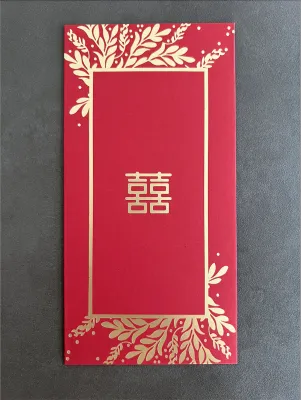
- Step 1: Select Wedding-Specific Designs: Choose large, premium red packets made from thick, textured paper or fabric. Look for designs specifically tailored for weddings, featuring gold-embossed Double Happiness characters, floral patterns, or dragon and phoenix motifs. Avoid using generic red packets or those left over from the Lunar New Year, especially if they feature zodiac animals that do not correspond to the wedding year.
- Step 2: Prepare and Seal the Packets: Insert crisp, new cash notes into the packets. If the packets are large enough, keep the notes flat and unfolded to show respect. If folding is necessary, fold them neatly and consistently. Seal the packets securely using the adhesive flap or a small piece of double-sided tape to prevent the contents from slipping out during transport.
- Step 3: Arrange on a Presentation Tray: Never hand over red packets individually or loosely. Arrange them neatly on a small, decorative red tray or inside a dedicated red lacquer box. Position them in a clear, organized sequence, with the main bride price packet placed prominently at the front or center, followed by the secondary cash gifts.
Final Presentation and Delivery Checks
Once all individual gifts are wrapped, the final step is to organize them for transport and presentation. A chaotic or damaged delivery can detract from the solemnity of the occasion, making a final quality check essential.
- Inspect Every Wrapped Item: Carefully examine each wrapped box, tray, and packet. Check for any loose tape, peeling corners, or slipping ribbons. If you notice any imperfections, gently press the seams down or apply a fresh piece of double-sided tape. Ensure that all wrapping paper is clean and free of smudges, dust, or fingerprints.
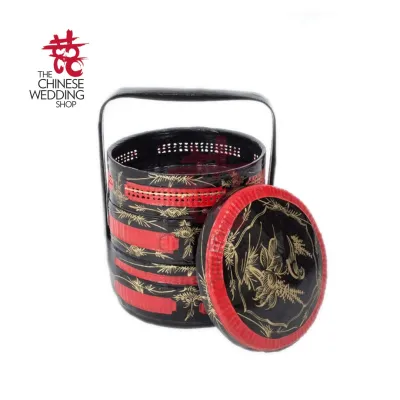
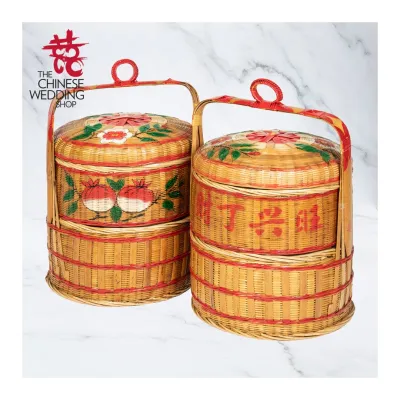
- Arrange Symmetrically in Baskets: Place the wrapped gifts into traditional red wooden baskets or decorative trays. Arrange the items symmetrically, placing heavier boxes at the bottom to create a stable base. Position lighter, more delicate items, such as jewelry trays and red packets, on top or in the center where they are highly visible and protected from being crushed.
- Verify Quantities and Pairs: Before departing for the bride's home, double-check your inventory against your traditional checklist. Ensure that all items are present in pairs or even numbers, as odd numbers are traditionally avoided in wedding contexts. Confirming these details beforehand guarantees a smooth, respectful, and auspicious handover ceremony that honors both families.
Frequently Asked Questions (FAQ)
Can I use patterned wrapping paper with non-traditional colors for Guo Da Li?
While traditional etiquette strongly favors red and gold, modern couples sometimes prefer contemporary designs. If you wish to use non-traditional colors, opt for warm, festive pastel shades like blush pink, rose gold, or soft champagne. These colors maintain a romantic and celebratory feel without violating traditional taboos. However, you must strictly avoid cool or dark tones like black, white, dark grey, or deep blue, as these colors are traditionally associated with mourning and are considered highly inauspicious for weddings. Always consult with both families beforehand to ensure everyone is comfortable with modern color adaptations.
What should I do if the original gift boxes are already beautifully designed?
Many premium bakeries, jewelers, and specialty shops package their products in exquisite, high-quality boxes that are already visually stunning. In such cases, completely wrapping the boxes in paper is unnecessary and may even hide the premium nature of the gifts. Instead of full wrapping, you can enhance the original packaging by tying a wide, high-quality red or gold satin ribbon around the box and adding a decorative double happiness sticker or a small red banner. This maintains the festive wedding theme while showcasing the elegant design and brand of the original packaging.
Community discussion
Share your experience or ask a question. Comments are reviewed before publication.