
Why Choose a Clear PVC Plastic Bag for Gift Presentation?
Using a clear pvc plastic bag for gift wrapping offers a modern, structural, and visually striking alternative to traditional wrapping paper. In contemporary gift-giving, presentation is as much a part of the gift as the item itself. A transparent PVC bag acts as an elegant showcase, turning the curated contents, colors, and textures of your gift into the primary design element. This style of wrapping is particularly popular for curated hampers, artisanal cosmetics, gourmet treats, and floral arrangements where the visual arrangement deserves to be seen.
Beyond aesthetics, clear plastic bags provide exceptional practical benefits. In humid tropical climates like Singapore, traditional paper wrapping can easily absorb moisture from the air, becoming limp, wrinkled, or prone to tearing during transport. A high-quality PVC bag offers robust water resistance and structural rigidity, ensuring your gift remains pristine from the moment you wrap it to the hand-off. Furthermore, these bags are highly durable and reusable, allowing recipients to repurpose them as daily organizer pouches, makeup bags, or stylish carryalls, adding sustainable utility to your gesture.
However, it is important to recognize the applicability boundaries of this wrapping medium. Stiff PVC bags are ideal for boxed items, books, apparel, and sturdy jars that can sit flat and maintain their position. They are less suitable for irregularly shaped items with sharp projections, heavy metal objects, or loosely packed gifts that might puncture the plastic or cause the bag to sag awkwardly. Choosing the right item to wrap in PVC ensures the final presentation looks intentional, clean, and professional.
Products mentioned in this guide
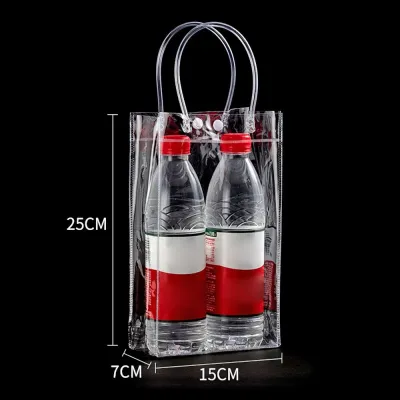
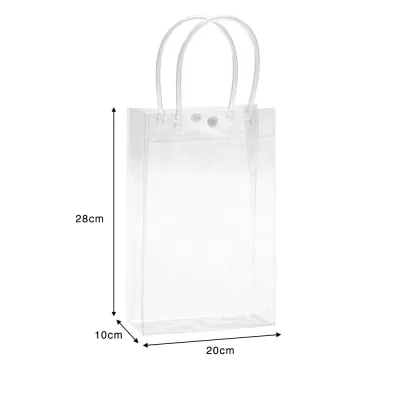
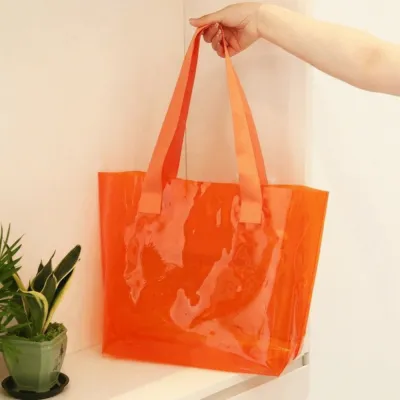
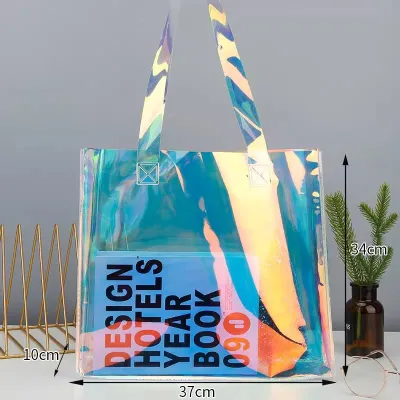
Prices are valid at publication and may change. Please refer to the product page for the latest price.
Materials and Tools You Will Need
To achieve a flawless, boutique-quality finish, gather your materials and tools before beginning the wrapping process. Having everything prepared prevents unnecessary handling of the PVC, which can lead to fingerprints and premature creasing.

- Clear PVC Plastic Bag: Select a bag with an appropriate thickness (typically between 0.15mm and 0.3mm) to ensure it holds its shape. Ensure the dimensions are slightly larger than your gift to accommodate structural folding and internal styling materials.
- Internal Styling and Fillers: Crinkle-cut paper, shredded wood filler, or acid-free tissue paper. These materials cushion the gift, elevate its position, and provide a contrasting background that makes the items pop.
- Sealing Tools: High-tack clear double-sided tape or clear packing tape for invisible seams. A standard single-hole punch is excellent if you prefer a tied closure using ribbon. Note: Avoid household heat-sealing tools unless the bag is explicitly rated for heat sealing by the manufacturer.
- External Decor: Sturdy satin, grosgrain, or organza ribbons, natural jute twine, customized cardstock gift tags, and decorative stickers. You can also incorporate small natural elements like dried eucalyptus leaves or pressed flowers for an organic touch.
Step-by-Step Guide to Wrapping Your Gift
Step 1: Select the Right Bag Size and Prepare the Gift
Selecting the correct bag size is the foundation of a neat wrap. To determine the ideal dimensions, measure the length, width, and depth of your gift. Add at least 3 to 5 centimeters of clearance on all sides to allow the item to slide in smoothly without stretching the plastic. You must also leave an extra 8 to 10 centimeters of height at the top of the bag to accommodate your folds, seals, and decorative ribbons.
Once you have the correct bag, prepare the gift itself. Wipe down any rigid boxes or plastic containers with a microfiber cloth to remove dust and fingerprints. Carefully peel off any price tags; if sticky residue remains, use a tiny drop of eucalyptus oil on a cloth to clean it off, ensuring the surface is completely dry before proceeding. For fragile or highly polished items, consider pre-wrapping them in a single sheet of neutral-colored tissue paper to protect them from scratching against the stiff interior walls of the PVC bag.
Step 2: Layer Fillers and Position the Item
To prevent your gift from looking flat or sliding around inside the smooth plastic, you must construct a supportive base. Take a generous handful of crinkle-cut paper or shredded filler and fluff it up with your hands to create volume. Gently press this layer into the bottom of the PVC bag, ensuring it is evenly distributed and fills the bottom corners. This base lifts your gift, creating a professional “floating” effect and ensuring the item sits at an eye-catching height.
Carefully slide your gift into the bag, centering it on top of the filler base. If you are wrapping multiple small items, place the heaviest and tallest items at the back, arranging the smaller pieces in front. Tuck additional pinches of crinkle paper around the sides and back of the items. This side-filling technique locks the gift securely in place, preventing the contents from shifting or tipping over when the bag is moved or carried.
Step 3: Fold Neatly and Seal the Bag Securely
Because PVC is significantly stiffer than wrapping paper, folding requires a deliberate and gentle hand. To seal the top, use an adapted envelope fold. Press the front and back panels of the bag opening together, then fold the outer corners inward at a 45-degree angle to create neat, triangular flaps. Fold the top edge down over these flaps to create a clean, horizontal seam. Crease the folds gently with your fingertips; avoid pressing too hard or using sharp tools, as excessive force can cause permanent white stress marks in the plastic.
To secure the fold, apply a strip of high-tack, clear double-sided tape along the underside of the folded flap, pressing it firmly against the body of the bag for an invisible seal. Alternatively, for a glueless finish, fold the top edge down twice, use a standard hole punch to make two clean holes through the folded layers, and thread a sturdy ribbon through the holes to tie the bag shut.
Safety Warning: Never use household clothes irons, hair straighteners, or open flames to melt-seal standard PVC plastic bags. Heating standard PVC releases hazardous chlorine gas and can cause the plastic to melt unpredictably, ruining your gift and posing a severe respiratory hazard. Always check the manufacturer’s specifications on the packaging; if a heat seal is required, verify that the bag is made of a heat-safe material like polyethylene (PE) or polypropylene (PP), and use a dedicated impulse sealer in a well-ventilated area.
Step 4: Add Ribbons, Tags, and Finishing Touches
Once the bag is structurally sealed, you can elevate the presentation with external decorations. If you used the hole-punch method, thread a premium satin or grosgrain ribbon through the holes and tie a classic, symmetrical bow. For taped seals, wrap a length of ribbon entirely around the bag, securing it with a small dab of double-sided tape at the back before tying a bow at the front or top handle.
To complete the boutique-style look, slide a personalized cardstock gift tag onto the ribbon before tying the final knot. For a touch of organic elegance, tuck a small sprig of dried lavender, baby’s breath, or a preserved eucalyptus leaf under the ribbon knot. The contrast of organic, rustic textures against the sleek, modern clear plastic creates a sophisticated, multi-dimensional aesthetic that makes the gift feel incredibly special.
Common Mistakes to Avoid for a Professional Finish
Achieving a flawless look with clear plastic wrapping requires attention to detail. Because the material is completely transparent, small errors that would normally be hidden by paper wrapping are fully visible.
- Using the Wrong Bag Size: A bag that is too large results in excessive, bulky plastic folds that look messy and obscure the gift inside. Conversely, a bag that is too tight will stretch, distorting the shape of the bag and putting stress on the seams.
- Creating White Stress Marks: PVC has a structural memory. Bending or folding the plastic too sharply or scraping it with fingernails causes permanent, unsightly white stress lines. Always handle the plastic gently, making soft, rolling folds rather than sharp creases.
- Overstuffing and Cluttered Interiors: Packing too many items or using a chaotic mix of filler colors distracts from the main gift. Keep your interior color palette limited to two or three coordinating tones, and ensure there is enough negative space for the gift to be clearly identified.
- Relying on Weak Adhesives: Standard school glue sticks, low-tack stationery tape, or decorative washi tape do not have enough holding power to resist the natural spring and tension of stiff PVC. Always use high-bond, acrylic-based double-sided tape or physical fasteners like eyelets and ribbons to ensure the seal does not pop open.
Creative Styling Ideas for Different Occasions
The beauty of a clear plastic wrap is its versatility. By simply changing the internal fillers and external accents, you can adapt the presentation to suit any event or recipient.
- Festive Holidays: For Christmas or year-end celebrations, use deep forest green or rich crimson crinkle paper as your base. Tuck a small pinecone, a cinnamon stick, or a sprig of fresh pine inside the bag alongside the gift. Finish the exterior with a metallic gold ribbon and a handwritten kraft paper tag.
- Birthdays and Anniversaries: Create a vibrant, cheerful theme by layering pastel pink, peach, and cream tissue paper inside the bag. Add a sprinkle of large, metallic confetti at the bottom of the bag before placing the gift. Tie a bold, wide satin ribbon around the top in a contrasting shade.
- Corporate or Elegant Gifting: Keep the presentation ultra-minimalist and sophisticated. Use crisp white or charcoal grey shredded paper, keeping the arrangement perfectly symmetrical. Seal the bag with a clean, high-tack double-sided tape, and finish with a simple wrap of natural linen twine and a custom-branded wax seal or minimalist sticker.
Frequently Asked Questions (FAQ)
Can I use a hair straightener or iron to seal a PVC plastic bag?
No, you should never use household heating tools like hair straighteners or clothes irons to seal a standard PVC bag. Standard PVC (polyvinyl chloride) is highly sensitive to direct heat and will melt unevenly, potentially damaging your gift and ruining your heating appliances. More importantly, overheating PVC releases toxic chlorine gas, which is harmful to inhale. Instead, use safe, non-thermal sealing methods such as high-tack double-sided tape, adhesive strips, or physical ribbon ties. If your project requires a heat seal, confirm that the bag is specifically made of heat-sealable materials like polyethylene (PE) or polypropylene (PP), and use a proper impulse sealer in a well-ventilated space.
How do I remove stubborn creases from a PVC bag before wrapping?
Because PVC is sensitive to high heat, you cannot iron it directly with a household iron, as this will warp or melt the plastic instantly. To safely remove stubborn creases from a stored PVC bag, lay it completely flat on a clean, hard surface and place several heavy, flat books on top of it for 24 hours. If you are short on time, you can use a hairdryer set to a low, cool setting. Hold the hairdryer at least 30 centimeters away from the bag and gently sweep the warm air over the creased area for a few seconds. As the plastic warms slightly and relaxes, smooth it out gently with the palm of your hand, then let it cool flat.

Community discussion
Share your experience or ask a question. Comments are reviewed before publication.