
Wrapping a gift beautifully does not have to result in a pile of discarded, non-recyclable paper. By using a reusable bag pouch, you can create an elegant, zero-waste presentation that doubles as a functional second gift. This eco-friendly wrapping method involves selecting a durable fabric pouch, sizing it appropriately, securing the contents with natural fillers, and adding personalized, non-damaging embellishments. Whether you are preparing a small token of appreciation or a festive holiday surprise, transitioning to fabric pouches elevates the gifting experience while keeping single-use materials out of landfills.
Why Choose Reusable Bag Pouches for Eco-Friendly Gifting
Traditional wrapping paper, often coated in plastic, glitter, or metallic foils, cannot be recycled and contributes significantly to seasonal waste. Every festive season, tons of single-use paper and plastic packaging end up in landfills after only a few seconds of utility. Switching to fabric pouches offers a simple, elegant solution to this environmental challenge. These durable alternatives can be used repeatedly, breaking the cycle of throwaway packaging and encouraging a culture of mindful consumption.
Beyond the environmental benefits, a reusable bag pouch adds tangible value to your gesture. The packaging itself becomes a secondary, highly practical gift that the recipient can repurpose for daily organization, travel, or future gifting. A beautifully crafted linen or cotton pouch can store jewelry, organize cosmetics in a handbag, protect delicate stationery, or keep small artisanal goods safe. This dual-purpose nature transforms the act of wrapping from a temporary necessity into an integrated part of the gift itself.
Products mentioned in this guide
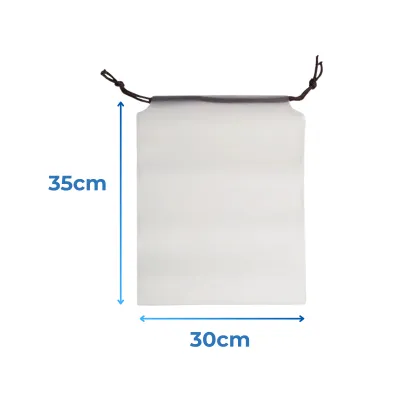
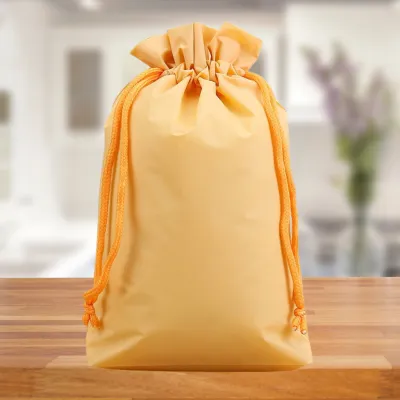
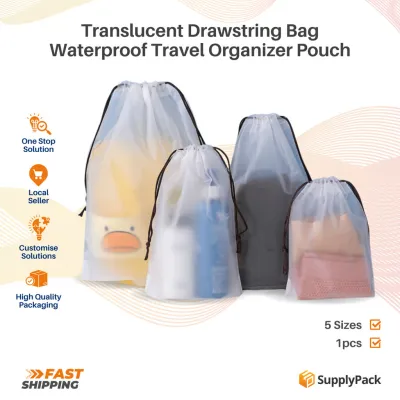
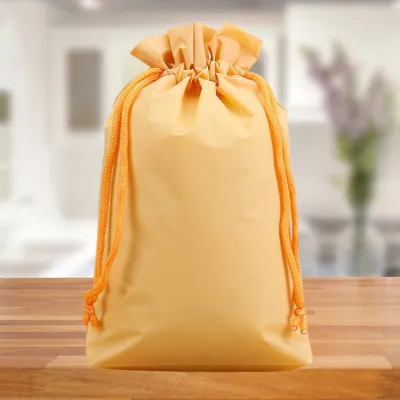
![[SG Seller]Jewellery Packaging Pouch Cosmetic Storage Bag Reusable Gift Bag Luxury Satin Drawstring Pouch](https://img.lazcdn.com/g/p/19f73f2901678f9b9ccd18d043a7f286.jpg_400x400q80.jpg_.webp)
Prices are valid at publication and may change. Please refer to the product page for the latest price.
Fabric pouches are exceptionally well-suited for a wide variety of gift categories. Small, delicate items like handmade earrings, artisanal soaps, or custom fountain pens feel instantly more luxurious when nestled inside a soft velvet or linen drawstring bag. Larger, sturdier pouches can easily accommodate books, journals, or gourmet treats. By matching the texture and style of the pouch to the item inside, you create a cohesive, thoughtful presentation that feels both personal and professional.
Gathering Your Eco-Friendly Wrapping Materials
Before you begin wrapping, gathering the right materials ensures a smooth process and a polished final look. The foundation of your presentation is the pouch itself, which should be selected based on the weight, shape, and formality of the gift. Lightweight cotton and airy linen are excellent for casual, everyday gifts or organic, artisanal products. For heavier items or formal occasions, sturdy canvas provides structural support, while plush velvet adds an immediate sense of luxury and sophistication.

To secure and decorate your pouch, look for natural, biodegradable tying alternatives rather than synthetic plastic ribbons. Jute twine and hemp cord offer a rustic, organic charm that pairs beautifully with linen and cotton. If you prefer a softer, more colorful finish, consider using strips of recycled fabric ribbons, cotton tape, or leftover yarn from previous crafting projects. These materials secure the pouch effectively while maintaining a fully sustainable, plastic-free aesthetic.
Finishing touches can be sourced directly from nature or repurposed from household items. Dried botanicals, such as lavender sprigs, pressed leaves, or eucalyptus stems, add a delicate touch of color and fragrance. Cinnamon sticks or dried orange slices are perfect for adding warmth to seasonal gifts. For labeling, simple tags cut from recycled cardboard or kraft paper can be stamped with water-based inks, providing a clear space for your recipient’s name without compromising the eco-friendly theme.
Matching the Pouch Size and Shape to Your Gift
Achieving a neat, professional presentation depends heavily on selecting a pouch with the correct dimensions. To determine the minimum flat pouch size required, start by measuring your gift’s length, width, and height. A common mistake is choosing a bag based solely on the flat dimensions of the item, forgetting that the depth of a three-dimensional object will pull the fabric inward, reducing the available width and height of the pouch.
Always allow adequate extra space at the top of the pouch to ensure the drawstring or tie can gather and close securely. As a general guideline, the pouch should have at least three to four inches of clearance above the top of the gift. This extra fabric allows the material to bunch together gracefully when pulled tight, creating an attractive ruffled collar at the opening. If the pouch is too small, the fabric will stretch tightly over the corners of the gift, risking tears and exposing the contents.
The physical profile of your gift should also dictate the shape of the pouch you select. Flat envelopes work beautifully for flat items like notebooks, art prints, or chocolate bars. For bulkier, three-dimensional items like candles, mugs, or rolled apparel, a gusseted bag with a flat bottom provides the necessary depth and allows the package to stand upright. Specialized shapes, such as tall, narrow bottle pouches, are ideal for olive oils, artisanal syrups, or specialty beverages, ensuring a snug and secure fit.
Step-by-Step Guide to Wrapping Gifts in a Pouch
Wrapping a gift in a reusable pouch is a straightforward process, but taking a few deliberate steps ensures the final presentation looks intentional and refined.
Prepare the Gift Item Begin by preparing the item to ensure it sits well inside the fabric. If your gift consists of multiple loose pieces, such as a set of tea tins or cosmetic jars, group them together first. For fragile or highly irregular objects, consider placing them inside a small, plain cardboard box made from recycled materials. This protective inner layer provides a uniform shape, prevents sharp edges from poking through the fabric, and shields delicate items from damage during transit.
Insert the Gift and Add Eco-Friendly Filler Gently slide your prepared item into the center of the pouch. To prevent the gift from shifting or settling awkwardly at the bottom, add a small amount of eco-friendly filler. Shredded kraft paper, crinkle paper, or a sheet of unbleached tissue paper works wonderfully to cushion the item and maintain the pouch’s shape. Position the filler around the base and sides of the gift so that the pouch looks plump and balanced from the outside.
Secure the Closure Once the gift is positioned, pull the drawstrings or built-in ties evenly from both sides to close the opening. If your pouch does not have built-in drawstrings, gather the fabric tightly just above the gift and wrap your chosen jute twine or recycled ribbon around the neck of the gather at least twice. Secure the closure with a tight, reliable knot, followed by a neat bow. Ensure the knot is firm enough to prevent the pouch from slipping open, but avoid overtightening, which can make it difficult for the recipient to untie.
Adjust the Fabric Gathers After securing the tie, take a moment to dress the fabric. Gently pull and smooth the gathers around the collar of the pouch to distribute the fabric folds evenly. If the corners of the bag look empty or saggy, gently push a small amount of paper filler into the bottom corners to fill them out. Tucking in any loose threads or stray bits of filler ensures a clean, symmetrical, and highly polished appearance that rivals traditional paper wrapping.
Personalizing Your Pouch Presentation
One of the joys of gift wrapping is customizing the package to reflect the recipient’s personality or the specific occasion. Because the goal is to keep the pouch reusable, avoid using permanent glues, heavy adhesives, or plastic tape directly on the fabric. Instead, opt for non-damaging customization techniques. Fabric-safe stamps with washable inks or simple stencils allow you to apply beautiful patterns, monograms, or holiday motifs that can be easily washed out later, preserving the pouch’s long-term utility.
Attaching decorative elements directly to the drawstring or ribbon is an excellent way to add visual interest without altering the fabric itself. Thread a handwritten kraft paper tag onto the twine before tying the final bow. You can also slip a small sprig of fresh rosemary, a dried flower bud, or a small wooden ornament under the knot. These natural accents add texture and depth, making the package feel like a handcrafted work of art.
Tailoring your decorative choices to seasonal themes or personal aesthetics is simple with reusable pouches. For a minimalist, modern look, pair a plain canvas pouch with black cotton tape and a single green leaf. For a warm, festive holiday feel, use a rich red or forest green linen pouch tied with rough jute twine and a cinnamon stick. By changing only the external accessories, you can adapt the same style of pouch for birthdays, weddings, housewarmings, or winter holidays.
Caring for and Reusing the Fabric Pouch
To ensure the fabric pouch fulfills its eco-friendly promise, it is helpful to understand how to care for and maintain the material after the gift has been opened. If the pouch came with a manufacturer care label, always check it for specific washing and drying instructions. Many high-quality pouches are designed for long-term use and can withstand standard cleaning methods, but delicate fabrics like velvet or silk may require gentler handling.
For common natural fabrics like cotton, canvas, and linen, spot cleaning is the best first step for minor spills or smudges. Use a damp cloth with a tiny drop of mild, eco-friendly soap to gently dab the stained area, then rinse with clean water and let it air dry. If the pouch requires a deeper clean, most cotton and linen bags can be machine washed on a gentle cycle with cold water to prevent shrinkage. Always air dry fabric pouches flat or hang them up, as high heat from a tumble dryer can warp the fabric or damage any remaining print.
Proper storage is key to keeping your collection of reusable pouches ready for the next gifting occasion. Once clean and completely dry, iron the pouches on a low-to-medium heat setting to remove stubborn creases and restore their crisp appearance. Store them flat in a dry, cool drawer or a dedicated storage box to prevent moisture buildup, dust accumulation, or mold. Keeping them organized by size and material ensures you will always have the perfect sustainable wrapping option on hand.
Frequently Asked Questions (FAQ)
Can I use a reusable bag pouch for oddly shaped gifts?
Yes, irregular or oddly shaped items can easily be wrapped using a reusable pouch. To prevent the fabric from stretching awkwardly or revealing the item’s shape, place the gift inside a recycled cardboard inner box first to create a uniform, structured silhouette. Alternatively, you can wrap the irregular item in a soft piece of scrap fabric using a traditional furoshiki-style fold before placing it into the pouch, which cushions the edges and ensures a smooth, elegant exterior.
How do I keep the gift a surprise if the pouch fabric is thin?
If you are using a lightweight or semi-sheer fabric pouch, you can easily conceal the contents to keep the surprise intact. Line the interior of the pouch with a sheet of opaque, recycled tissue paper or unbleached kraft paper before inserting the gift. Another option is to place the item inside a small, plain cardboard box before sliding it into the pouch. For future wrapping needs where total concealment is a priority, select pouches made from thicker, tightly woven fabrics such as heavy canvas, denim, or plush velvet.

Community discussion
Share your experience or ask a question. Comments are reviewed before publication.