
Indian potli bags offer an elegant, reusable, and culturally rich alternative to traditional paper wrapping. These traditional drawstring pouches, often crafted from luxurious fabrics like silk, velvet, or brocade and adorned with intricate embroidery, instantly elevate any gift. Using them effectively involves selecting the right bag size, preparing a protective base, arranging the items strategically, and securing the drawstrings. By transitioning from disposable paper to these fabric pouches, you present a beautiful gift while offering the recipient a functional keepsake they can reuse for years.
What You Need Before You Start
Gathering your materials beforehand ensures a seamless wrapping process. The central element is the potli bag itself. Choose a bag that matches both the physical requirements of your gift and the tone of the occasion. Heavy items require sturdy fabrics like thick cotton, velvet, or reinforced brocade, while lighter items can sit beautifully in delicate silk, organza, or satin pouches.
Beyond the bag, you need appropriate filler materials to provide structure and protection. Unlike rigid gift boxes, potli bags are soft and pliable, meaning they can lose their shape or allow items to shift if left empty. Acid-free tissue paper, shredded paper, or small fabric scraps work exceptionally well as cushioning. These materials help fill out the bottom of the bag, creating a stable base and preventing delicate items from clashing.
Products mentioned in this guide
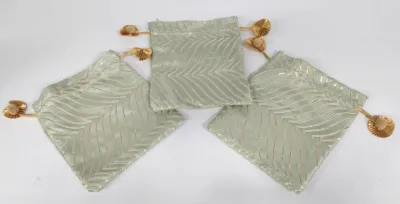
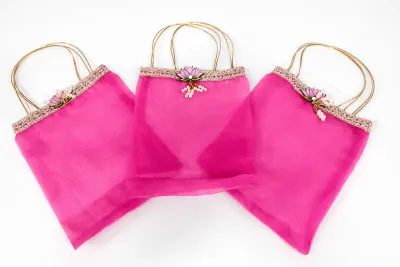
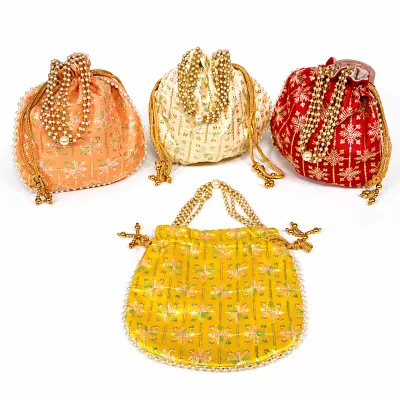
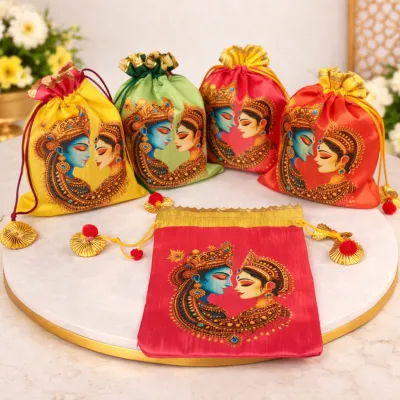
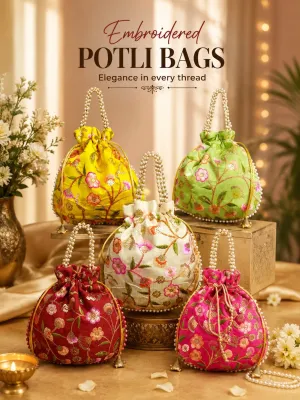
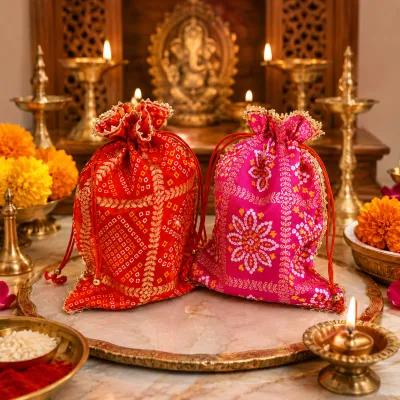
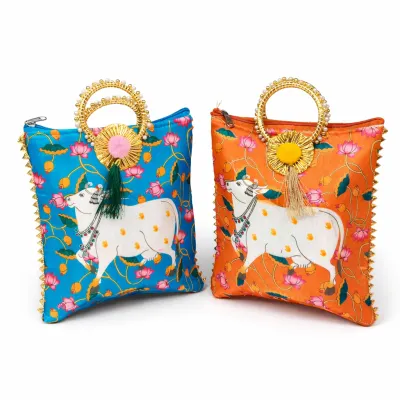
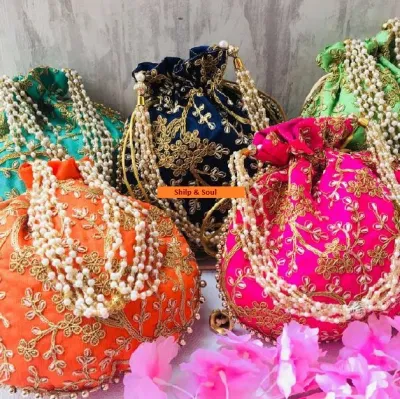
Prices are valid at publication and may change. Please refer to the product page for the latest price.
Finally, gather your decorative accents to add a personalized touch. While most potli bags come with built-in drawstrings and tassels, you can enhance the look with additional elements. Consider preparing small gift tags, handwritten labels, satin ribbons, or even sprigs of dried flowers. Having these items ready allows you to customize the exterior of the bag once it is fully packed and secured.
Step-by-Step Guide to Filling and Arranging Your Potli Bag
Packing a potli bag is an art that balances structural integrity with aesthetic appeal. Because these bags lack rigid walls, the way you arrange the contents determines how well the bag stands, how safe the items remain, and how striking the presentation looks upon opening. The process is divided into two distinct phases: establishing a protective, supportive base layer at the bottom, and then carefully arranging the primary gifts and decorative accents on top.

Preparing the Items and Base Layer
Begin by preparing the interior of the bag with a soft base layer. Take a sheet of tissue paper or a piece of soft fabric, crumple it gently to create volume, and push it down to the bottom of the potli bag. This layer acts as a shock absorber, protecting your gifts from hard impacts when the bag is set down. It also fills out the rounded bottom of the pouch, helping it stand upright and maintain its traditional bulbous shape.
Next, address the individual items you plan to place inside. If you are gifting fragile objects like glass perfume bottles, delicate jewelry, or ceramic ornaments, wrap them individually before they go into the bag. You can use soft tissue paper, bubble wrap, or small fabric pouches for this step. Wrapping sharp-edged items is equally important, as exposed corners can easily puncture or snag delicate fabrics like silk or organza from the inside.
As you place these prepared items onto the base layer, pay close attention to the weight distribution. Position the heaviest items at the absolute bottom and center of the bag. This keeps the center of gravity low, preventing the potli bag from tipping over when placed on a flat surface. Proper weight distribution also ensures that the fabric does not stretch unevenly or put excessive strain on the bottom seams, preserving the bag’s structural integrity.
Arranging the Main Gifts and Accents
Once the base is secure, you can begin arranging the main gifts. If you are gifting multiple items, place the largest or most substantial pieces in the center first. This creates a focal point and provides a solid core around which you can arrange smaller items. For instance, if you are gifting a jar of artisanal honey alongside smaller tea tins, the jar should sit firmly in the middle, supported by the base layer.
With the main items in place, use smaller gifts and decorative accents to fill any remaining gaps. Slide items like small chocolate bars, rolled-up notes, or individual tea bags into the spaces around the central gift. This prevents the items from shifting during transit and ensures the bag feels full and substantial. You can also tuck in loose decorative elements, such as dried flower petals or metallic confetti, to add a sense of celebration when the bag is opened.
Finally, orient the items so that their most visually appealing sides face upward toward the drawstring opening. When the recipient pulls open the bag, the first glimpse should be inviting and beautifully composed. Position labels, decorative lids, or the main face of jewelry boxes so they are immediately visible. This thoughtful arrangement transforms the simple act of opening the bag into an exciting, curated unboxing experience.
How to Secure and Present the Potli Bag
Securing the potli bag correctly is essential to preserve its shape and keep the contents safe. Locate the drawstrings on either side of the bag’s neck. Grasp both strings firmly and pull them outward in opposite directions simultaneously. Pulling them evenly ensures that the fabric gathers symmetrically around the neck, creating a neat, ruffled collar at the top. Avoid pulling too aggressively, as sudden jerks can strain the stitching or tear delicate drawstring channels.
Once the neck of the bag is fully gathered, secure the drawstrings to prevent them from slipping open. Tie a classic double knot close to the fabric gather to lock it in place, then finish with a neat bow. If the drawstrings are exceptionally long, you can wrap them around the neck of the bag once before tying the knot. If the strings look untidy or uneven, trim the excess length carefully, making sure to knot the freshly cut ends to prevent fraying.
To elevate the presentation, attach your external decorative elements directly to the drawstring loop or the neck of the bag. Thread a personalized gift tag or a handwritten note onto one of the strings before tying the final bow. You can also tie on extra decorative tassels, a small charm, or a sprig of fresh rosemary or eucalyptus. These external touches add layers of texture and visual interest, making the package look professionally styled and deeply personal.
Choosing the Right Potli Bag for Different Gifts
Selecting the ideal potli bag requires matching its material and design to the specific gift and occasion. For formal events like weddings, traditional festivals, or milestone anniversaries, opt for luxurious fabrics such as silk, velvet, or heavily embroidered brocade. These materials carry an inherent sense of luxury and respect. For casual gatherings, housewarmings, or everyday gifting, lighter and simpler fabrics like cotton, linen, or organza offer a charming, understated elegance.
Sizing is another critical factor that requires careful measurement. To estimate the correct bag size, measure your gift at its widest and tallest points. Always choose a potli bag that is significantly larger than these dimensions. A good rule of thumb is to ensure the bag’s height is at least five to eight centimeters taller than the gift itself. This extra space is necessary to accommodate the fabric gather at the top when the drawstrings are pulled tight; otherwise, the bag will not close fully.
Finally, consider the color palette and decorative patterns to align with the recipient’s taste or the theme of the celebration. Vibrant jewel tones like ruby red, emerald green, and royal blue are classic choices for traditional celebrations, often featuring gold zari embroidery or beadwork. For modern or minimalist tastes, pastel shades, neutral tones, or simple geometric patterns on linen or cotton provide a contemporary twist while retaining the bag’s unique cultural charm.
Common Mistakes to Avoid When Using Potli Bags
While potli bags are highly versatile, certain common mistakes can compromise their appearance and safety. The most frequent error is overstuffing the bag. When you pack too many items or choose a bag that is too small, the drawstring cannot close completely, leaving the contents exposed. Overstuffing also stretches the fabric taut, distorting the bag’s elegant shape and putting immense pressure on the seams, which can lead to tearing during transit.
Another mistake is placing heavy, dense, or sharp-edged items directly into the bag without sufficient internal padding. Heavy items can cause the bottom of a delicate silk or organza bag to sag awkwardly, ruining its silhouette. Sharp corners on boxes, metal items, or plastic packaging can easily snag or puncture the fabric. Always use ample tissue paper or fabric scraps to cushion these items and distribute their weight evenly across the bottom of the bag.
Lastly, avoid ignoring the care requirements of the potli bag’s fabric during handling and storage. Delicate materials like silk, velvet, and those with intricate beadwork or embroidery can easily collect dust, stain, or snag on jewelry and rough surfaces. Handle the bags with clean, dry hands, and store them in a cool, dry place away from direct sunlight before gifting. Treating these bags with care ensures they arrive in pristine condition and remain ready for future use.
Frequently Asked Questions (FAQ)
Can Indian potli bags be reused after receiving a gift?
Yes, one of the greatest advantages of Indian potli bags is their high reusability and durability. Recipients can easily repurpose them as elegant jewelry pouches, travel organizers for small accessories, cosmetic bags, or even as decorative storage for keepsakes. To preserve the bag’s structure and drawstring mechanism for future use, advise the recipient to open the drawstrings gently rather than pulling them apart forcefully, which can damage the delicate fabric channels.
How do you clean a potli bag if it gets stained during gifting?
Cleaning a potli bag depends entirely on its fabric and embellishments. For minor stains on sturdy, washable fabrics like cotton or linen, you can spot clean the area gently using a damp cloth and a mild detergent. For delicate fabrics such as silk, velvet, or bags adorned with intricate beadwork, sequins, or embroidery, avoid water entirely as it can ruin the texture or cause colors to bleed. Instead, check the manufacturer’s care label or consult a professional dry cleaner to safely restore the bag’s appearance.
Community discussion
Share your experience or ask a question. Comments are reviewed before publication.