
A mini drawstring pouch offers a highly versatile, sustainable, and visually appealing alternative to traditional paper gift wrapping. Whether you are preparing a small token of appreciation for a colleague, wrapping delicate jewelry for a loved one, or organizing party favors for a festive gathering, these compact fabric bags elevate the presentation while reducing waste. Unlike paper wrapping, which is often discarded immediately after opening, a fabric pouch serves as a secondary, functional gift that the recipient can reuse for years to come. Mastering the art of drawstring wrapping involves selecting the right materials, preparing the contents to prevent damage, and applying simple decorative techniques to create a polished, professional look.
What You Need Before You Start
Before you begin wrapping, gathering the correct materials and verifying their compatibility with your gift is essential for a smooth process. The first step is selecting a pouch material that complements both the aesthetic of your gift and its physical requirements. Common options include velvet, satin, cotton, linen, and organza, each offering distinct visual and tactile qualities. Velvet and satin provide a luxurious, heavy drape that is highly suitable for high-end items like jewelry or premium cosmetics. Cotton and linen offer a rustic, minimalist, or organic appearance that pairs beautifully with handmade crafts, artisanal soaps, or natural stationery items. Organza is lightweight and sheer, making it an excellent choice when you want the colors or shapes of the gift to be partially visible from the outside, though it offers less suspense for the recipient. With high-quality fabric pouches often costing between S$1 and S$5 each, they offer an affordable yet premium-looking alternative to paper.
Beyond aesthetics, you must carefully evaluate the dimensions of your gift against the usable capacity of the pouch. A common oversight is relying solely on the flat measurements of the pouch. When a drawstring bag is filled, its three-dimensional volume pulls the fabric inward, reducing both the width and the effective height. Furthermore, the drawstring closure itself cinches the fabric together, typically reducing the usable height by two to four centimeters from the top seam. To ensure a proper fit, choose a pouch that is at least three to five centimeters wider and taller than the flat dimensions of your gift. This extra clearance prevents the fabric from stretching tightly over the corners of the item, which can distort the shape of the pouch or cause the seams to split.
Products mentioned in this guide
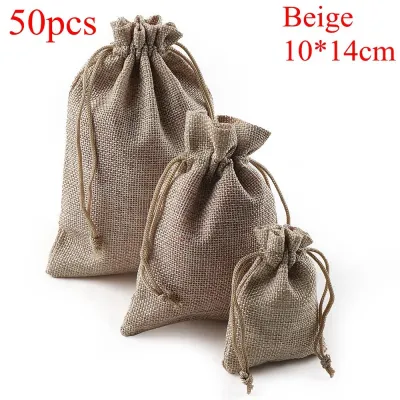
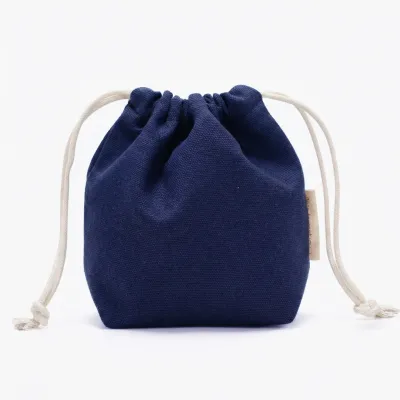
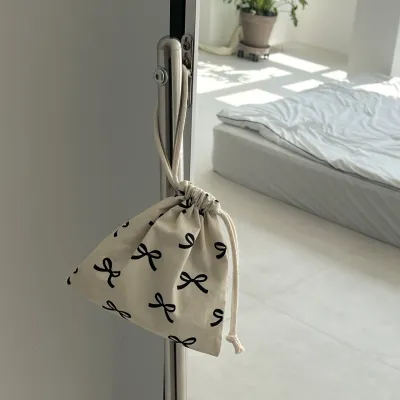
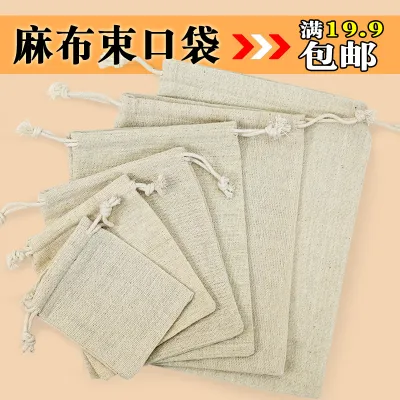
Prices are valid at publication and may change. Please refer to the product page for the latest price.
Finally, prepare any optional decorative add-ons to personalize the presentation. These may include customized cardstock gift tags, complementary ribbons or twine to layer over the existing drawstrings, and acid-free tissue paper or shredded paper filler. Having these elements ready beforehand allows you to coordinate colors and textures systematically, ensuring a cohesive final design.
Step-by-Step Guide to Wrapping Your Gift
Wrapping a gift with a mini drawstring pouch is a straightforward process, but taking a systematic approach ensures the final presentation looks neat, balanced, and intentional.

First, prepare the gift item itself. If you are wrapping fragile, delicate, or sharp-edged items, wrap them in a layer of acid-free tissue paper before placing them in the pouch. This step is particularly important for items made of glass, polished metal, or molded plastic, as it prevents surface scratches caused by friction against the pouch fabric. For sharp items, such as enamel pins with exposed clasps or small metal tools, the tissue paper acts as a protective barrier that prevents the sharp points from puncturing or snagging the pouch material.
Next, open the pouch fully and insert the prepared gift. Gently guide the item to the bottom of the bag, ensuring it sits flat and centered. If the gift is bottom-heavy or has a distinct front and back, align it so that the front of the item faces the seamless or most visually appealing side of the pouch. Centering the item prevents the pouch from tilting or leaning awkwardly when placed on a flat surface, maintaining a balanced and upright presentation.
Once the gift is positioned, close the pouch by pulling the drawstrings. To do this correctly, grasp both drawstring ends or loops and pull them outward simultaneously with even tension. Avoid pulling only one side, as this can cause the fabric around the opening to bunch unevenly, putting unnecessary strain on one side of the casing and potentially tearing the stitching. As you pull, use your fingers to smooth out the gathered fabric at the collar, ensuring the pleats are distributed evenly around the top of the bag.
Finally, secure the drawstrings to keep the pouch closed and complete the presentation. Tie the strings into a neat, symmetrical bow or a simple slipknot. It is important to avoid tight, complex knots that are difficult to untangle. The recipient should be able to open the gift easily without needing scissors, which could accidentally cut the drawstrings or damage the pouch fabric. A clean bow not only looks professional but also preserves the reusability of the pouch.
Adding Personal Touches and Decorations
While a simple fabric pouch is elegant on its own, adding personalized decorations can transform it into a truly memorable gift presentation. One of the easiest ways to elevate the look is by incorporating customized gift tags or handwritten labels. You can thread the string of a small cardstock tag directly through one of the drawstring loops before tying the final bow. This keeps the tag securely attached to the closure, ensuring it is the first thing the recipient sees. Choose a tag color that contrasts subtly with the pouch fabric to make the handwriting stand out. When writing on your gift tags, perform a quick test on a scrap piece of cardstock to ensure your pen’s ink dries quickly and does not bleed or smudge on the paper surface.
Another effective technique is layering additional ribbons, twine, or metallic cords over the built-in drawstrings. If the pouch comes with standard cotton strings, wrapping a thin satin ribbon or a metallic gold cord around the cinched collar can add a touch of contrast and sophistication. You can tie this secondary ribbon into a larger, more dramatic bow that sits directly over the functional drawstring knot, hiding the utilitarian strings while adding visual depth.
For a natural or whimsical touch, consider tucking small, lightweight decorative elements into the knot of the drawstring. A small sprig of dried lavender, a tiny eucalyptus leaf, or a preserved flower stem adds organic texture and a pleasant, subtle fragrance. Alternatively, you can attach a small metal charm, a wooden bead, or a themed ornament to the strings. Ensure these additions are lightweight so they do not pull the drawstring down or cause the pouch to tip over.
Tips for Different Types of Gifts
Different categories of small gifts require specific packaging considerations to ensure they arrive in pristine condition and look appealing upon opening.
For jewelry and delicate items, preventing movement and tangling is the primary goal. Never place loose necklaces, bracelets, or dangling earrings directly into a drawstring pouch, as the movement during transport can cause chains to knot or clasps to scratch delicate gemstones. Instead, secure the jewelry to a small cardstock insert or place it inside a tiny zip-top bag before sliding it into the pouch. If the pouch is made of a soft material like velvet or microfiber, you can wrap the jewelry in a small piece of matching fabric to provide extra cushioning.
Cosmetics, perfumes, and small liquid containers require protection against potential leaks, especially in warm or humid climates where pressure changes can cause caps to loosen. Before placing any liquid or cream-based product into a fabric pouch, verify that the lid is tightly sealed. It is highly recommended to place the container inside a secondary, leak-proof barrier, such as a small compostable bag, before inserting it into the pouch. This precaution protects the outer fabric pouch from permanent oil or liquid stains, preserving its appearance and reusability.
Stationery, stickers, enamel pins, and other flat items present a different challenge, as their sharp corners or thin profiles can easily bend or stretch the pouch fabric. To maintain the structure of the pouch, place a rigid piece of cardboard behind flat items to keep them upright and prevent bending. For enamel pins, ensure the rubber or metal clutches are securely attached to the back of the pin, and wrap the entire piece in tissue paper to prevent the metal post from poking through the weave of the pouch.
Common Mistakes to Avoid
To achieve a professional finish, it is helpful to be aware of common packaging mistakes that can compromise both the look and functionality of your drawstring pouch.
The most frequent error is overstuffing the pouch. Attempting to force an item that is too large into a mini pouch stretches the fabric, distorts the shape, and prevents the drawstring from closing completely. A partially open pouch exposes the gift inside, ruining the element of surprise and increasing the risk of the item falling out. If you must pull the drawstrings with significant force to close the bag, the gift is too large, and you should transition to a larger pouch size.
Another mistake is placing rough, heavy, or sharp items directly into the pouch without any protective inner wrapping. Heavy items can cause the bottom of a soft fabric pouch to sag awkwardly, while rough textures can snag delicate fibers like silk, satin, or organza. Always use tissue paper or a small cardboard base to distribute the weight and protect the fabric from internal friction.
Lastly, avoid tying the drawstrings too tightly or using complex double knots. While you want the pouch to remain closed during transit, making the opening process frustrating for the recipient detracts from the gifting experience. Stick to simple bows or easily adjustable slipknots that can be undone with a gentle pull of a single string.
Frequently Asked Questions (FAQ)
Can I reuse the mini drawstring pouch after gifting?
Yes, fabric drawstring pouches are highly durable and designed for long-term reuse. Recipients can repurpose them for organizing small items in daily life, such as storing jewelry during travel, keeping loose coins organized, holding keys, or protecting delicate electronics like earbuds and charging cables. Using fabric pouches instead of single-use paper wrapping is an excellent way to promote sustainable gifting practices.
How do I clean a fabric drawstring pouch if it gets stained?
Cleaning methods depend entirely on the fabric of the pouch. For cotton, linen, or canvas pouches, you can hand-wash them gently in cool water using a mild detergent, then reshape them and lay them flat to air dry. For delicate fabrics like velvet, satin, or silk, spot cleaning with a damp, lint-free cloth is recommended to avoid damaging the pile or sheen of the material. Always check the manufacturer’s care instructions if available, and avoid machine drying fabric pouches, as high heat can shrink the fibers or damage the drawstring cords.
Is a mini drawstring pouch suitable for irregularly shaped gifts?
Yes, the flexible nature of fabric allows drawstring pouches to conform to irregular shapes much better than rigid wrapping paper. However, to prevent the pouch from looking lumpy or distorted, it is helpful to place the irregular item inside a small, plain cardboard box or wrap it in several layers of tissue paper first. This creates a more uniform shape, providing structure to the pouch and ensuring a neat, professional presentation.
Community discussion
Share your experience or ask a question. Comments are reviewed before publication.