
Using an alpaca pouch as a gift wrapping medium is an exceptional way to combine elegance, sustainability, and functionality. Traditional wrapping paper, while colorful, is often discarded immediately after the gift is opened, creating unnecessary waste. In contrast, a pouch crafted from natural alpaca fibers serves as a beautiful, tactile introduction to your gift and remains a highly useful accessory long after the occasion has passed. The soft, luxurious texture of alpaca wool immediately signals that the contents inside are special and curated with care.
This step-by-step guide will walk you through the process of preparing, arranging, securing, and decorating an alpaca pouch to create a flawless presentation. Whether you are gifting delicate stationery, fine jewelry, or small personal accessories, mastering these simple techniques ensures your gift looks professional, polished, and deeply thoughtful. By focusing on the unique properties of natural fibers, you can protect the contents while showcasing the pouch’s inherent beauty.
Preparing Your Gift and Pouch
Before placing any item inside your alpaca pouch, it is essential to assess both the gift and the packaging material to ensure a perfect fit. Alpaca fibers, whether knitted or woven, possess a natural elasticity and softness, but they are not indestructible. Forcing an oversized item into a small pouch will stretch the fabric out of shape, distort the design, and put excessive strain on the seams, potentially causing them to unravel.
Products mentioned in this guide
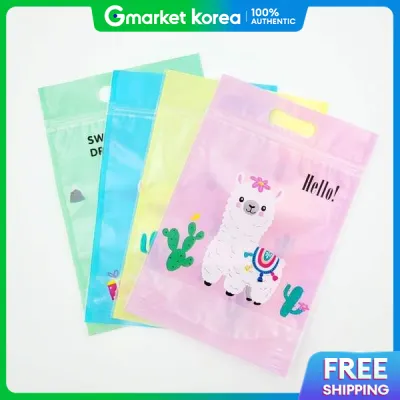
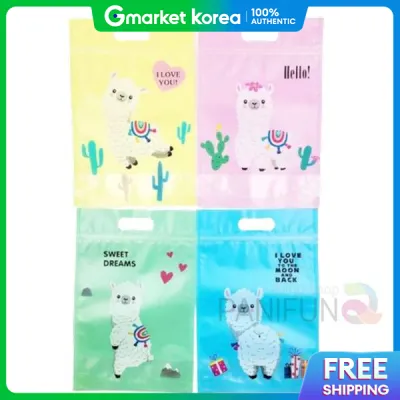
Prices are valid at publication and may change. Please refer to the product page for the latest price.
Begin by measuring the dimensions of your gift—specifically its length, width, and depth—and comparing them to the flat dimensions of the pouch. As a general rule, there should be at least a finger-width of clearance on all sides of the item to allow the fabric to drape naturally around it. If you are wrapping a rigid, boxy item like a standard notebook or a boxed stationery set, keep in mind that the depth of the box will pull the sides of the pouch inward, reducing the available height.
Next, inspect the interior of the alpaca pouch thoroughly. Turn the pouch inside out to check for any loose threads, lint, dust, or residual moisture. Natural animal fibers are highly absorbent, meaning any dampness inside the pouch could easily transfer to your gift, potentially warping paper items, causing ink to bleed on delicate stationery, or tarnishing metal surfaces. If you spot any lint or loose fibers, gently remove them with a clean lint roller or by hand, ensuring the interior is completely clean and dry.
Finally, gather all your supplementary wrapping materials in one clean workspace. This includes acid-free tissue paper, fabric-safe ribbons, cotton twine, and personalized gift tags. It is crucial to avoid using any adhesive tape, stickers, or metal pins directly on or near the alpaca pouch. Adhesives can leave a sticky residue that ruins the soft texture of the fibers, while pins can snag the delicate knit, leaving permanent holes or pulled threads that compromise the pouch’s reusability.
Arranging and Cushioning the Item Inside
Properly positioning and cushioning your gift inside the alpaca pouch is key to preventing damage during transit and creating an appealing visual presentation when opened. Because alpaca fabric is soft and flexible, it does not provide the rigid structural protection of a cardboard box. Therefore, the way you arrange the items inside determines how well the pouch holds its shape and protects its contents.

If your gift has sharp corners or delicate surfaces—such as a hardcover journal, a premium fountain pen, or a metal accessory—always wrap it in a layer of acid-free tissue paper or a soft cotton cloth first. This simple barrier prevents sharp edges from snagging the interior loops of the alpaca fabric and protects delicate surfaces from friction. If you are gifting stationery items like fountain pens or ink bottles, verify that all caps are securely tightened and wrapped in a protective sleeve to prevent any accidental ink leaks, as natural alpaca fibers will absorb ink rapidly, causing permanent stains.
When placing the item inside, aim for a balanced arrangement. For flat, envelope-style pouches, center the item so that the fabric drapes evenly on both sides. If the pouch features a structured or gusseted bottom, ensure the base of the gift sits flat against the bottom seam. This helps the pouch stand upright on its own, creating a more formal and professional display when placed on a table or under a tree.
If the gift is significantly smaller than the pouch, it may slide around, causing the pouch to look deflated, lumpy, or empty. To maintain a plump, inviting structure, gently tuck a few sheets of crumpled tissue paper or clean fabric scraps around the sides and bottom of the item. This lightweight filler supports the shape of the pouch without adding unnecessary weight or bulk, ensuring the presentation remains crisp and intentional.
Closing and Securing the Pouch Neatly
The method you use to close and secure your alpaca pouch depends entirely on its design, but the goal remains the same: a tidy, secure, and elegant finish that does not strain the fabric. Executing the closure carefully prevents awkward bunching and ensures the pouch looks neat from every angle.
For drawstring alpaca pouches, pull the cords slowly and simultaneously from both sides. Pulling too quickly or forcing a single cord can cause the fabric to bunch unevenly or put unnecessary stress on the eyelets. Once the neck of the pouch is gathered neatly, tie a secure, symmetrical bow. Avoid tying tight double knots, which can compress the natural fibers permanently, making it difficult and frustrating for the recipient to untie without damaging the cord.
If your pouch features a zippered or buttoned closure, take extra care to align the edges before securing them. When closing a zipper, place a finger just behind the zipper slide as you pull it shut. This acts as a shield, preventing loose alpaca fibers or the interior tissue paper from getting caught in the zipper teeth, which can jam the mechanism or tear the fabric. For button closures, gently guide the button through the loop or buttonhole without pulling or stretching the surrounding knit, maintaining the natural shape of the opening.
After securing the closure, take a moment to dress the fabric. Gently smooth out any creases along the body of the pouch and distribute the gathered pleats evenly around the top or neck. This quick adjustment eliminates unsightly bunching and ensures the pouch looks balanced, showcasing the natural drape and premium texture of the alpaca material.
Adding Finishing Touches for a Polished Look
Once the pouch is securely closed, you can transform it from a functional container into a festive, gift-ready presentation by adding thoughtful external decorations. The key to decorating an alpaca pouch is choosing elements that complement its soft, organic texture without overpowering or damaging the delicate fibers.
Start by wrapping a high-quality ribbon or natural twine around the neck of a drawstring pouch or across the body of a structured pouch. Contrast is your friend here; choose textures that stand out against the soft, matte finish of alpaca, such as smooth silk, elegant satin, or rustic cotton cord. If you are wrapping a premium gift, such as a curated stationery set worth S$80, a rich velvet ribbon can add an extra layer of luxury to the presentation.
Incorporating natural elements is an excellent way to add texture and visual interest. You can tuck a small sprig of dried lavender, a dehydrated citrus slice, or a pressed leaf under the ribbon. However, always verify that these botanical elements are completely dry and free of natural oils, sap, or moisture. Any residual oils or moisture can easily seep into the highly absorbent alpaca fibers, leaving permanent stains that are incredibly difficult to clean.
Finally, attach a personalized gift tag to complete the look. Thread the tag’s string directly through the ribbon bow or the drawstring loop rather than pinning or taping it to the pouch itself. This keeps the tag secure and easily readable while preserving the integrity of the alpaca weave. By avoiding adhesives and pins, you ensure the recipient receives a pristine, undamaged pouch that they can immediately reuse.
Presenting and Handing Over the Gift
The final step in the wrapping process is presenting the gift to the recipient and ensuring it arrives in perfect condition. Because an alpaca pouch is a premium, sustainable packaging choice, it is helpful to share a few words about its reusable nature when you hand it over.
Gently let the recipient know that the pouch is designed to be kept and repurposed. You might suggest a few practical secondary uses, such as using it as a travel organizer, a protective sleeve for small electronics, a jewelry pouch, or a storage bag for delicate stationery accessories like ink cartridges and wax seals. Highlighting the pouch’s reusability adds immediate value to your gesture, turning the packaging itself into a functional, thoughtful second gift.
If you need to transport the gift, remember that natural animal fibers are sensitive to environmental conditions. If you are traveling in humid or wet weather, protect the wrapped pouch by placing it inside a clean, dry secondary bag or a sturdy gift box. This shields the delicate alpaca material from rain, dirt, and friction, ensuring it looks immaculate when you hand it over.
If you are preparing the gift several days in advance, store it in a cool, dry place away from direct sunlight, heat sources, and strong household odors. Natural fibers can absorb scents from the environment, so keeping the pouch in a clean drawer or a closed closet will ensure it remains fresh, pristine, and ready to delight the recipient upon arrival.
Community discussion
Share your experience or ask a question. Comments are reviewed before publication.