
To ensure you are purchasing genuine Craftholic plushies and lifestyle accessories in Singapore, you must verify the seller’s authorization through official brand channels, inspect physical product markers, and purchase only from recognized retail partners. With the popularity of these huggable characters, counterfeit items frequently appear on online marketplaces and unauthorized retail stalls. By focusing on verified physical boutiques, official department store counters, and specific craftsmanship details, you can confidently secure an authentic product. This guide outlines the exact steps to locate authorized sellers, perform physical quality checks, and avoid common online traps.
How to Locate and Verify Official Craftholic Retailers
Finding a legitimate source is the most reliable way to guarantee product authenticity. The first step is to consult the brand’s official global or regional website, which typically hosts an updated store locator tool. This tool lists authorized physical boutiques, flagship stores, and official stockists within Singapore. If a retail location or temporary pop-up stall is not listed on the official directory, it warrants closer inspection before you make a purchase.
Social media platforms serve as another valuable tool for verification. Official brand accounts for regional branches usually carry platform verification badges, such as blue checkmarks, which confirm their identity. You should cross-reference the links provided in these social media profiles to ensure they direct you to the official, secure domain of the brand rather than a lookalike website.
Products mentioned in this guide
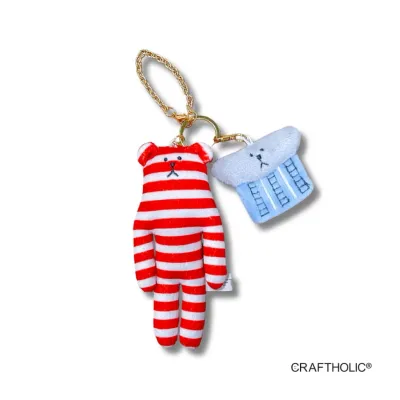
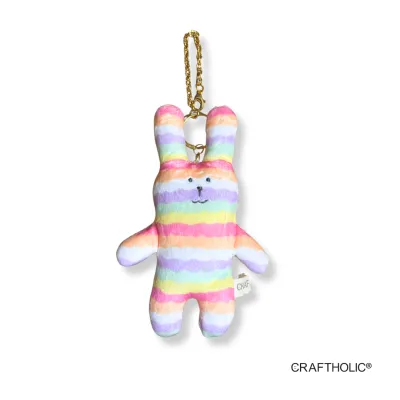
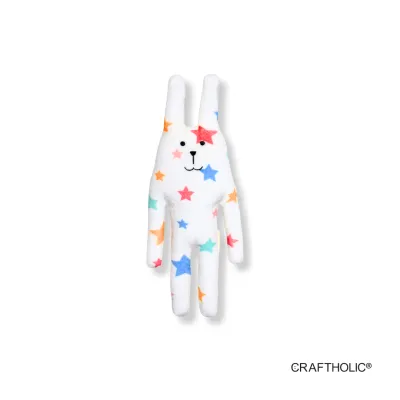
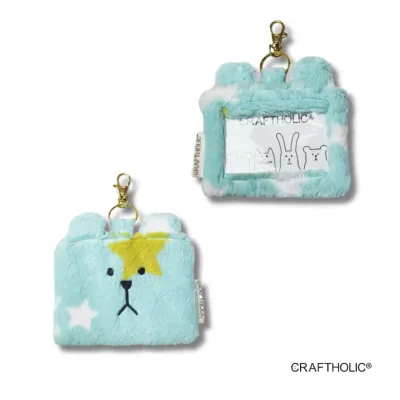
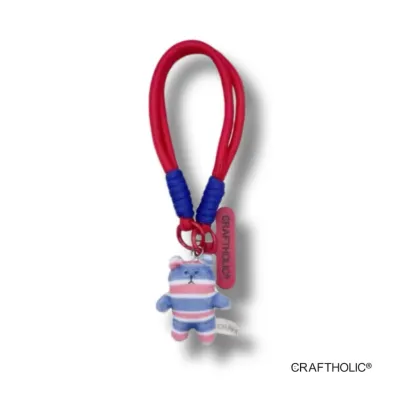
Prices are valid at publication and may change. Please refer to the product page for the latest price.
It is crucial to distinguish between direct brand-operated stores, authorized department store counters, and unauthorized third-party resellers. In Singapore, reputable department stores often host official Craftholic counters or dedicated shelves. These department stores source their inventory directly from authorized regional distributors, ensuring that every item on display is genuine. Conversely, independent gift shops, suburban market stalls, and temporary pushcarts may not have the same direct supply chains, making them higher-risk venues for counterfeit goods.
When purchasing in person, always check the business name printed on your receipt or invoice. Official retailers and authorized stockists will display their registered business entity clearly, which should align with known local distributors. If a seller is hesitant to provide a formal receipt or if the receipt displays a generic, unrelated business name, you should proceed with caution.
Physical Checks: Inspecting Packaging and Craftsmanship
If you are purchasing in person or have just received a delivery, a close physical inspection of the product can quickly reveal its authenticity. Genuine Craftholic plush items are renowned for their exceptional craftsmanship, starting with the quality of the stitching. Authentic plushies feature tight, even, and virtually invisible seams that do not pull apart when gently stretched. Counterfeit items, by contrast, often exhibit loose threads, uneven stitching lines, and visible gaps along the seams where the stuffing might leak out.

The texture of the fabric and the consistency of the stuffing are also major indicators of quality. Genuine products use high-grade, ultra-soft materials that feel smooth and consistent to the touch. The stuffing inside an authentic plushie is distributed evenly, allowing the character to maintain its iconic, huggable shape while remaining resilient. Counterfeit versions often use cheaper, rougher synthetic fabrics that feel scratchy, and they are frequently stuffed with low-quality materials that result in a lumpy, stiff, or underfilled feel.
Because these plush items often come into prolonged body contact with users of all ages, including young children, verifying safety standards is essential. Authentic items comply with strict toy safety regulations, featuring secure stitching to prevent choking hazards. Always check the care labels for safety certifications and material composition details, which are standard on genuine products but often omitted or poorly replicated on fakes.
Hangtags and care labels provide critical typographic clues. Genuine tags are printed on high-quality cardstock with sharp, clear text, accurate brand logos, and correct typography. Look closely at the copyright symbols, registered trademark signs, and the spelling of the brand name. Counterfeiters frequently make subtle spelling errors, use incorrect fonts, or produce blurry, low-resolution prints on flimsy paper tags that are easily bent or torn.
While minor manufacturing variations can occasionally occur between different production batches, glaring defects are a clear warning sign. Mismatched fabric patterns, asymmetrical facial features that distort the character’s expression, or chemical odors from cheap dyes are strong indicators of an inauthentic item.
Spotting Red Flags on Online Marketplaces
E-commerce platforms and online marketplaces require extra vigilance, as you cannot physically handle the product before buying. One of the most reliable indicators of a counterfeit listing is an unrealistic pricing structure. If a seller offers a large hug cushion or a popular character plush at a price significantly below the standard retail value, you should be highly suspicious. Genuine brand items maintain a consistent pricing structure, and extreme discounts are rarely legitimate outside of official, publicized clearance sales.
Evaluating seller metrics is another essential step when shopping online. Take the time to review the shop’s age, overall rating, and the history of customer feedback. Legitimate authorized sellers usually have established profiles with a history of positive reviews spanning several months or years. Be cautious of newly created storefronts with generic names, low ratings, or a sudden influx of highly repetitive, five-star reviews that use identical phrasing, as these are often generated by automated bots.
Pay close attention to the product images used in the listing. Authentic retailers use high-resolution, original photographs or official brand marketing assets. If a listing relies on blurry, heavily watermarked, or obviously stolen stock photos from other websites, the seller may be trying to hide the actual condition and appearance of the item.
The product description itself can reveal a lot about the seller’s credibility. Authentic listings provide detailed information about the product’s dimensions, material composition, and care instructions. Vague, poorly translated descriptions that avoid using the brand name directly, or instead use generic terms like “cute cartoon plush toy” while displaying the brand’s imagery, are common tactics used by unauthorized sellers to evade automated counterfeit detection systems.
Steps to Take If You Receive a Suspected Fake
If you suspect that you have received a counterfeit product, taking immediate and organized action is vital to protecting your consumer rights. Begin by gathering and preserving all physical and digital evidence. Take clear, high-resolution photographs of the product from multiple angles, focusing on the specific areas that indicate it is a fake, such as poor stitching, misspelled tags, or incorrect logos. Keep the original shipping box, packaging materials, and any enclosed documentation.
Next, secure all records of the transaction, including order confirmations, payment receipts, and chat logs with the seller. If you messaged the seller asking about the product’s authenticity, those records will serve as crucial evidence during the dispute process. Do not delete any communication history from your account.
Initiate a formal dispute through the e-commerce platform’s official resolution center as quickly as possible. It is critical to do this before you confirm receipt of the item or allow the platform to release your payment to the seller. Most reputable online marketplaces have buyer protection policies that hold funds in escrow until the transaction is successfully completed, giving you a window to report fraudulent activity and request a full refund.
Finally, consider reporting the unauthorized seller to the brand’s official customer service or regional distributor. While the brand itself may not be able to issue a refund for a purchase made through an unauthorized third party, providing them with the seller’s details, listing links, and photos of the counterfeit item helps them take legal action to shut down counterfeit operations. This collective effort protects other consumers in Singapore from falling victim to similar scams.
Frequently Asked Questions (FAQ)
Can I verify a Craftholic product using a QR code or serial number?
Some product lines may feature QR codes or holographic stickers on their tags to assist with authenticity verification. However, you must exercise caution when scanning these codes, as counterfeiters can easily print fake QR codes that redirect your mobile browser to fraudulent, lookalike landing pages designed to mimic the official brand verification system. Always check the URL in your browser’s address bar to ensure it matches the official, secure domain of the brand before trusting the verification result.
Are Craftholic products sold at airport souvenir shops authentic?
Established airport retailers, major duty-free shops, and reputable museum gift shops in Singapore generally source their inventory directly from authorized regional distributors, making them highly reliable places to purchase authentic souvenirs. Despite this high level of trust, it is still recommended to perform basic physical checks on the stitching, fabric quality, and hangtags upon purchase. This quick inspection ensures that you are receiving a pristine, genuine item that meets the brand’s high standards of quality and safety.
Community discussion
Share your experience or ask a question. Comments are reviewed before publication.