
To verify if a Singapore old coin set is authentic before buying it as a gift, you must systematically examine its physical dimensions, engraving crispness, packaging details, and magnetic properties. Because vintage and commemorative coins are highly sentimental gifts, ensuring their legitimacy protects both your financial investment and the recipient’s joy. A combination of visual inspection, weight verification, and sourcing from reputable dealers is the most reliable path to a genuine purchase. Many buyers overlook the fact that collectible coins require the same level of scrutiny as fine jewelry, but taking these steps ensures your gift remains a treasured heirloom.
Understanding the Market for Singapore Commemorative and Vintage Coins
Singapore has a rich numismatic history, dating back to the establishment of the Board of Commissioners of Currency, Singapore, whose duties were later taken over by the Monetary Authority of Singapore (MAS). Over the decades, various coin series have captured key historical milestones, from the early marine-themed First Series to specialized commemorative proof sets. Understanding the differences between these official issues and unofficial products is the first step in making an informed purchase.
It is important to differentiate between official circulation coins, limited-edition commemorative sets issued by the Singapore Mint, and unofficial replica tokens aimed at tourists. Official sets are minted under strict government authority and carry legal tender status. Unofficial replica tokens, on the other hand, are novelty items that often mimic historical designs but hold no numismatic value and should not be represented as genuine collectibles.
Products mentioned in this guide
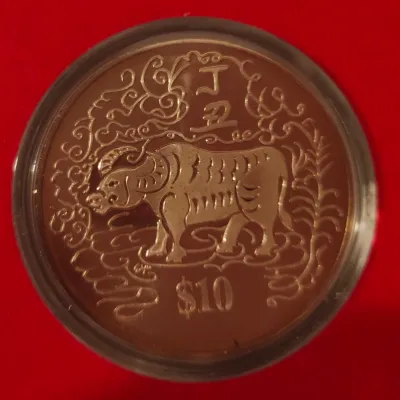
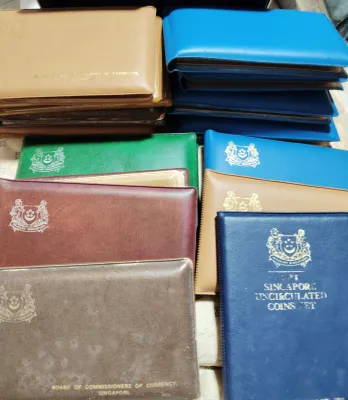
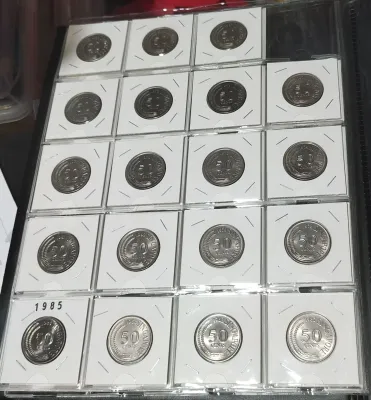
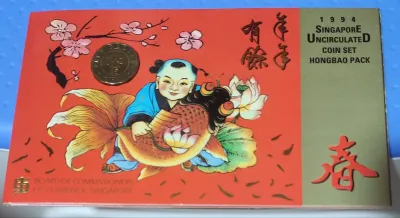
Prices are valid at publication and may change. Please refer to the product page for the latest price.
While high-value rare coins attract sophisticated counterfeiters, lower-tier vintage sets sold as souvenirs are also vulnerable to deception. These lower-tier sets may consist of genuine but heavily circulated and mismatched coins assembled in replica packaging, or they may be outright modern replicas made of cheap base metals. Gifting an assembled or replica set as a genuine vintage item can lead to disappointment if the recipient ever attempts to appraise it.
Key Visual and Physical Traits of Authentic Singapore Coin Sets
Evaluating a Singapore old coin set requires a systematic approach to examining its physical and visual characteristics. Genuine coins produced by the Singapore Mint are manufactured to incredibly high standards, leaving distinct markers that counterfeiters struggle to replicate.

Mint Marks and Engravings Begin your inspection by looking closely at the fine details of the engravings under good lighting. Authentic coins feature sharp, crisp lettering, precise alignments, and deep, defined details on key features like the national coat of arms or historical landmarks. The reeding along the edge of the coin should be uniform and clean; uneven, shallow, or smooth patches on a coin that should have reeding are immediate signs of a poor casting process.
Weight, Dimensions, and Material Feel To verify the physical dimensions, you should use a digital caliper and a high-precision digital scale that measures to two decimal places (0.01 grams). Every official coin issued by the MAS has strict, standardized specifications for diameter, thickness, and weight. While minor weight loss can occur in heavily circulated coins due to decades of wear, a significant deviation of more than a few percentage points typically indicates that the coin was struck from an incorrect, cheaper metal alloy. Always verify the official specifications against the MAS database or the Singapore Mint’s historical archives before conducting these measurements.
Packaging and Certificates of Authenticity (COA) Official commemorative sets are almost always housed in specialized packaging, such as acrylic capsules, presentation cases, or folders featuring high-quality printing. Look for the official logos of the Singapore Mint or the Board of Commissioners of Currency, Singapore. The printing on the packaging should be sharp, with no blurry text, off-center logos, or cheap cardboard inserts. For sets that include a Certificate of Authenticity (COA), check that the paper quality is high, the serial number is clearly printed, and any security features, such as watermarks or official seals, are present and match the specific issue details.
Common Red Flags in Counterfeit or Replica Coin Sets
Recognizing the typical flaws found in fake or altered sets allows you to quickly rule out suspicious options and protect your budget. Counterfeiters often cut corners on materials and manufacturing precision, leaving telltale signs of their work.
Visual Flaws and Surface Irregularities Counterfeit coins often display “soft” details because they are cast from molds of genuine coins rather than struck with high-pressure dies. Look for rounded edges on letters, grainy surfaces, or tiny metal bumps (casting bubbles) that should not exist on a struck coin. Mismatched dates—such as a coin design paired with a year in which that design was not minted—or poorly aligned obverse and reverse sides are clear indicators of a fake.
Material Inconsistencies and Magnetic Properties The metal composition of the coin must match its historical era. For example, if a coin is supposed to be made of copper-nickel or silver, it should not have a yellow brassy tint or a dull, dark lead-like appearance. You can perform a quick magnetic test; while some modern steel-core coins are magnetic, historical Singapore silver and copper-nickel coins are not strongly attracted to magnets. If a vintage silver coin clings tightly to a magnet, it is undoubtedly a counterfeit made of a ferrous metal.
Artificial Aging and Suspicious Certificates Sellers of replica coins often apply artificial aging to make modern metals look old and valuable. This fake patina may look painted on, unevenly distributed, or concentrated only in deep crevices while leaving the flat surfaces unnaturally shiny. If the coin set has a strong chemical odor, or if the dark patina easily rubs off onto a white cloth, the coins have likely been chemically treated. Additionally, check the COA for spelling errors, grammatical mistakes, or generic phrasing like “Genuine Collectible Coin” instead of naming the specific Singapore Mint issue.
Reliable Verification Methods and Professional Appraisal
When you need definitive proof of authenticity, relying on safe, non-destructive verification methods ensures you protect the coin’s physical condition and its ultimate value as a gift.
Safe, Non-Destructive Home Checks You can perform several safe, non-destructive tests at home without risking damage to the coin set. Use a strong rare-earth magnet (such as a neodymium magnet) to test the coin’s magnetic properties, keeping a thin piece of plastic between the magnet and the coin to prevent scratching. Additionally, inspect the coin under a 10x or 20x jeweler’s loupe. This magnification allows you to see micro-details, such as the sharpness of the mint mark or the presence of microscopic casting lines along the rim that are invisible to the naked eye.
Professional Appraisal For high-value coin sets, such as early gold proof sets or rare historical issues, professional appraisal is highly recommended. You can consult experienced numismatists at the Singapore Numismatic Society or local reputable dealers who specialize in Singaporean coinage. Alternatively, you can submit the coins to internationally recognized third-party grading services like the Numismatic Guaranty Company (NGC) or the Professional Coin Grading Service (PCGS), which encapsulate authenticated coins in tamper-evident “slabs” with a certified grade.
Avoid Destructive Testing Under no circumstances should you perform destructive testing on a coin set you intend to gift or keep. Methods such as acid testing, scratch tests, or filing the edge of the coin to see the metal underneath will permanently ruin the coin’s surface and destroy its numismatic value. Similarly, harsh chemical cleaning or polishing to make the coins look “shiny” for gifting is a major mistake; collectors value original, undisturbed surfaces, and cleaning can reduce a coin’s market value by over 50%.
Where to Buy Authentic Singapore Coin Sets Safely
Choosing the right purchasing channel is the most effective way to minimize the risk of buying a counterfeit coin set. Reputable sellers provide transparency, expertise, and recourse that street vendors or unverified online sources cannot match.
Official and Established Channels The safest way to acquire an authentic Singapore old coin set is to purchase directly from established, reputable sources. The Singapore Mint’s retail outlets and official website occasionally offer historical or back-dated commemorative sets. Additionally, look for established physical numismatic shops located in Singapore—particularly in historic retail areas like Chinatown or central shopping districts—that have operated for decades and possess a reputation to uphold within the local collecting community.
Navigating Online Marketplaces If you choose to shop on online marketplaces or local e-commerce platforms, you must exercise strict diligence. Only buy from sellers who have a long history of high ratings, positive feedback specifically for numismatic items, and clear, high-resolution photos of the actual coin set being sold (avoid stock photos). Ensure the platform offers robust buyer protection and a clear return policy that allows you to return the item if it fails independent authentication.
Channels to Avoid Be highly skeptical of street vendors, unverified tourist souvenir shops, or peer-to-peer classified platforms where the seller insists on cash-only transactions in public spaces without any recourse. These venues rarely offer authentication guarantees, and once the transaction is complete, locating the seller for a refund is often impossible. If a deal seems too good to be true—such as a rare silver proof set priced far below its typical market value—it is almost certainly a counterfeit.
What to Do If You Suspect a Coin Set is Fake
If you have already purchased a coin set and suspect it is not authentic, taking prompt, organized action is essential to securing a refund and holding dishonest sellers accountable.
Document the Evidence If you have purchased a coin set and believe it is a counterfeit, your first step is to document your findings thoroughly. Take clear, macro photographs of the specific areas of concern, such as blurry engravings, incorrect dates, or anomalous weight readings on a digital scale. Keep all original packaging, certificates, shipping labels, and receipts exactly as you received them, as these will serve as vital evidence.
Seek a Refund and Escalate Contact the seller immediately to explain your findings and request a full refund based on the item being counterfeit or misrepresented. If you purchased the set through an online marketplace or e-commerce platform, initiate a formal dispute through their customer service channel rather than dealing solely with the seller. If the seller is a registered local business in Singapore and refuses to cooperate, you can seek assistance from the Consumers Association of Singapore (CASE) to help mediate the situation and enforce your consumer rights under the Consumer Protection (Fair Trading) Act.
Frequently Asked Questions (FAQ)
Are all Singapore coin sets with a Certificate of Authenticity genuine?
No, a Certificate of Authenticity (COA) is not absolute proof of a coin set’s legitimacy. Counterfeiters can easily print high-quality replica certificates or pair a genuine COA with fake or heavily altered coins. You must always verify the physical characteristics of the coins themselves and purchase from reputable, established sellers rather than relying solely on the presence of a certificate.
Can I clean an old Singapore coin set before gifting it?
You should never clean, polish, or wipe an old Singapore coin set before gifting it. Well-intentioned cleaning removes the natural patina that develops over decades, causes microscopic scratches, and strips away the coin’s original mint luster. Collectors and numismatists highly value original, uncleaned coins, and cleaning them can permanently ruin their historical appeal and slash their market value.
Community discussion
Share your experience or ask a question. Comments are reviewed before publication.