
To ensure your EZ-Link card is official, you must inspect its physical security features, verify its serial number and chip functionality using the official mobile application, and purchase only from authorized retail channels. Genuine cards feature high-quality, crisp printing, correct branding logos, and a functional Near Field Communication (NFC) chip that registers instantly on official transit readers and mobile apps. Buying from official transit ticketing offices, authorized convenience stores, or recognized retail partners is the most reliable way to guarantee you receive an authentic card with secure stored value.
Understand the Risks of Counterfeit Transit Cards
Using an unauthorized, cloned, or counterfeit transit card carries significant practical and financial risks. If you unknowingly purchase a fake card, you risk losing any stored value you top up, as unauthorized cards can be blocked or blacklisted by the transit authority without notice. Because these cards do not link to official systems securely, there is no way to recover your funds or transfer your balance if the card suddenly stops working.
Furthermore, a counterfeit card may fail at critical moments, such as when you are passing through transit gantries or attempting to pay at retail terminals. Being denied entry at a busy train station or bus boarding point causes immediate inconvenience and delays. These non-compliant cards can also trigger error messages on card readers, forcing you to find alternative payment methods on the spot.
Products mentioned in this guide
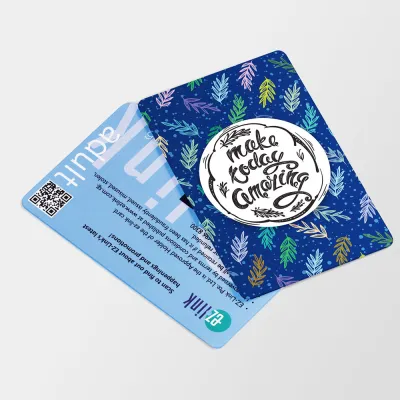


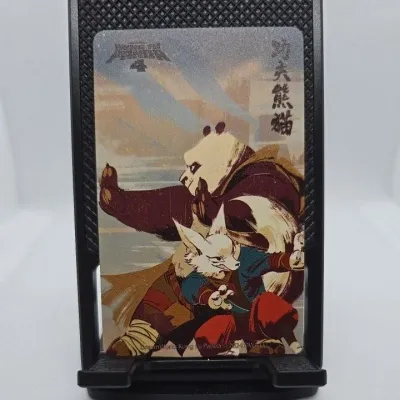



Prices are valid at publication and may change. Please refer to the product page for the latest price.
Finally, unofficial cards are completely excluded from official customer support, warranties, and consumer protection policies. If a genuine card becomes defective, you can typically seek assistance or a replacement at an authorized service point. With a counterfeit card, customer service representatives will be unable to assist you, leaving you with a useless piece of plastic and no recourse for your lost money.
Inspect Physical Features and Packaging Quality
A careful physical inspection is your first line of defense when evaluating a card’s authenticity. Official cards are manufactured to strict quality standards, resulting in sharp, high-resolution printing with vibrant colors and clear text. Counterfeit cards often exhibit blurry graphics, pixelated logos, or slight color shifts, particularly around the edges of the official branding elements.

Pay close attention to the card’s physical construction, including its texture, thickness, and edge finishing. Genuine cards are made of durable plastic with smooth, rounded edges and a consistent thickness that fits perfectly into standard card slots. If a card feels unusually flimsy, has rough or sharp edges, or is noticeably thicker or thinner than a standard payment card, it may be a counterfeit or a tampered blank card.
Packaging quality is another critical indicator of authenticity. Official cards sold at retail are typically sealed in branded packaging that includes clear instructions, terms of use, and official licensing markers. Look for intact seals, correct spelling of brand names, and high-quality cardboard or plastic sleeves. If the packaging appears poorly glued, uses generic plastic bags, or lacks official logos, you should treat the product with suspicion.
While physical checks are highly useful for spotting low-quality counterfeits, they are not entirely foolproof. Sophisticated counterfeiters can replicate physical designs with surprising accuracy. Therefore, you must always combine physical inspection with digital verification tools to confirm that the internal chip is genuine and fully functional.
Verify Authenticity Using Official Digital Tools
The most reliable way to confirm that your card is genuine is by using official digital tools to read the internal chip. Genuine cards contain a secure NFC chip that communicates directly with authorized systems. By downloading the official EZ-Link mobile application on an NFC-enabled smartphone, you can easily scan the card to verify its status.
To perform this check, open the official app, select the option to add or scan a card, and place your card against the back of your phone. A genuine card will be recognized instantly, displaying its current balance, unique serial number, and transaction history. If the app fails to detect the card, or if it displays an error message indicating an invalid card type, the card is likely counterfeit or damaged.
You can also verify the card’s legitimacy by checking the format of its printed serial number against official patterns. Genuine cards feature a unique identification number printed clearly on the back, usually consisting of a specific sequence of digits. Compare this printed number with the digital serial number that appears on your smartphone screen when you scan the card; they must match exactly.
Additionally, you can test the card at authorized physical terminals, such as self-service top-up machines located at transit stations. When you place a genuine card on the reader, the machine will display your balance and allow you to view your transaction history. If a machine refuses to read the card or flags it as invalid, do not attempt to top it up or use it for travel.
Identify Red Flags of Suspicious or Tampered Cards
Recognizing common warning signs can help you avoid purchasing counterfeit or tampered cards from unauthorized sellers. One of the most prominent red flags is an unusually low price or steep bulk discounts from unverified online sellers. Official transit cards have standardized pricing, so any offer that seems too good to be true is highly likely to involve fake, stolen, or cloned merchandise.
Be wary of cards that feature missing security elements, blurry text, or unauthorized third-party branding. Some sellers offer custom-printed cards featuring popular cartoon characters or artistic designs without official licensing. If the card lacks the official logo or has a sticker pasted over the original design, it may be a tampered card that has been modified to deceive buyers.
Another major warning sign is a seller’s refusal to provide a proof of purchase, original receipt, or clear return policy. Authorized retailers always provide a receipt for your transaction, which is essential for warranty claims or balance transfers. If a seller insists on cash-only transactions in informal settings or refuses to provide a receipt, you should walk away from the purchase.
Finally, always be suspicious of cards that look physically authentic but fail to register on official mobile apps or transit readers. Some counterfeiters use genuine, expired cards and attempt to reprogram them, or they paste high-quality printed decals over non-functional plastic. If the physical appearance does not match the digital data read by the official app, the card has been tampered with.
Choose Authorized Channels to Buy Official Cards
To guarantee that you are purchasing a genuine card, you should always buy directly from authorized physical and digital channels. The most secure physical locations are official transit ticketing offices, passenger service centers, and designated transit hubs. Staff at these locations sell brand-new, pre-activated cards that are guaranteed to work across the entire transit network.
You can also safely purchase genuine cards from authorized convenience stores, such as major 7-Eleven or Cheers outlets, as well as select supermarkets and pharmacies. These retail partners receive their stock directly from official distributors, ensuring that every card sold is authentic and ready for immediate use. Always ask for a printed receipt at the counter to secure your proof of purchase.
For online purchases, rely exclusively on official online stores and recognized retail partners. Official brand stores on major ecommerce platforms are safe options, provided you verify that the seller profile is marked as an official mall store or authorized distributor. Avoid buying from individual sellers, unverified third-party storefronts, or peer-to-peer marketplaces where product authenticity cannot be guaranteed.
By avoiding unverified online marketplaces, peer-to-peer listings, and unauthorized third-party websites, you protect yourself from fraud. While these platforms may offer unique designs or slightly lower prices, the risk of receiving a non-functional or cloned card is extremely high. Stick to official channels to ensure your funds remain secure and your daily commute is uninterrupted.
Take Action If You Suspect a Counterfeit Card
If you suspect that you have purchased or received a counterfeit card, you must take immediate action to protect your funds and report the issue. Stop using the card immediately. Attempting to use a known counterfeit card at transit gantries or retail terminals can result in the card being confiscated, and it may flag your account for suspicious activity.
Next, contact official customer service channels for verification and guidance. You can reach out via the official website, mobile app, or visit an authorized transit ticketing office in person. Provide the customer service team with the card’s serial number, physical photos, and details of where you purchased it so they can verify its status in their database.
If you purchased the card through an online marketplace or ecommerce platform, report the seller immediately. Most reputable platforms have strict policies against the sale of counterfeit goods and will initiate an investigation. Submit your proof of purchase, photos of the card, and any communication with the seller to support your dispute and request a refund.
Keep in mind that official transit operators cannot refund or transfer balances from cards purchased through unauthorized channels. If you bought a fake card from an unverified seller, your financial loss is typically non-recoverable through official channels. This highlights the critical importance of purchasing your cards only from authorized retailers from the very beginning.
Frequently Asked Questions (FAQ)
Are Customized or Third-Party Designed Cards Official?
Officially licensed collaborative cards featuring popular brands, characters, or artwork are genuine, but they must carry official licensing markers and logos on the packaging or the card itself. To distinguish these from unauthorized custom-printed fakes, always verify them using the official mobile app. If a custom card cannot be scanned or registered digitally, it is an unauthorized third-party modification.
Do Official EZ-Link Cards Have an Expiry Date?
Yes, official cards have a limited validity period, typically lasting up to five years from the date of manufacture. You can check your card’s exact expiry date by scanning it with the official mobile app, checking your receipt after a top-up, or using a self-service transit machine. Once a card expires, you can transfer any remaining balance to a new card at an authorized transit ticketing office.
Is It Safe to Buy Second-Hand Cards from Online Marketplaces?
Buying second-hand cards from unverified individual sellers on online marketplaces is highly risky and not recommended. These cards may be cloned, blocked, expired, or have hidden defects that prevent them from working. To ensure your card is fully functional and your stored value is secure, always purchase brand-new cards from authorized retail channels.
Community discussion
Share your experience or ask a question. Comments are reviewed before publication.