
Verifying whether your knitting or crochet yarn is genuinely 100% cotton or a synthetic blend is essential for ensuring your finished project behaves exactly as intended. Pure cotton offers distinct properties—such as high absorbency, heat resistance, and a signature matte drape—that synthetic fibers like acrylic or polyester cannot fully replicate. While a yarn label is your first line of defense, mislabeling or vague packaging can sometimes mislead crafters. By combining simple visual inspections, tactile assessments, and a controlled burn test on a small snippet, you can confidently determine the true fiber content of your yarn before investing hours into a project.
Why Synthetic Blends Are Sometimes Sold as Pure Cotton
Synthetic polymers like polyester and acrylic are petroleum-based and generally cheaper to produce at scale than natural cotton, which requires agricultural cultivation, harvesting, and intensive processing. This cost differential creates an economic incentive for manufacturers to blend cheaper synthetic fibers into cotton yarns to lower production costs.
Supply chain complexities also play a significant role in mislabeling. Yarn often passes through multiple processors, spinners, and distributors before reaching retail shelves, and a labeling error at a spinning mill can easily propagate down the line, resulting in synthetic-rich blends being packaged as pure cotton.
Products mentioned in this guide
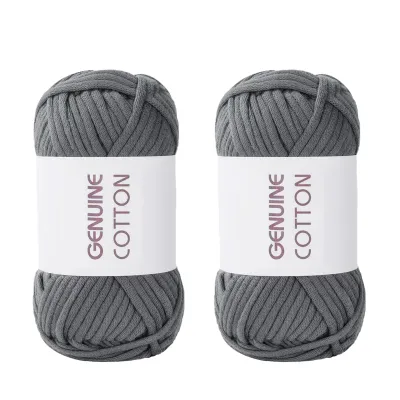
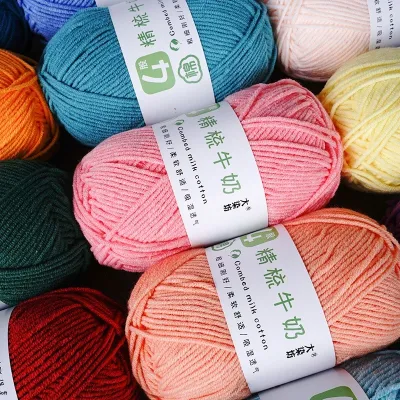
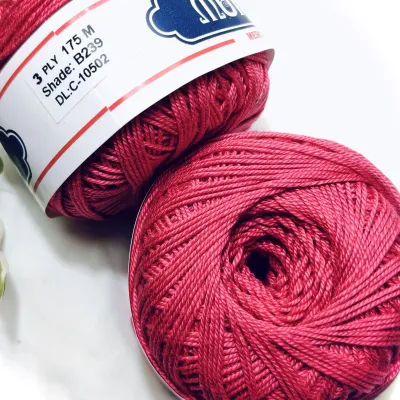
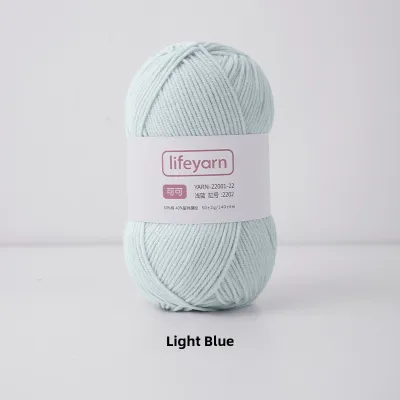
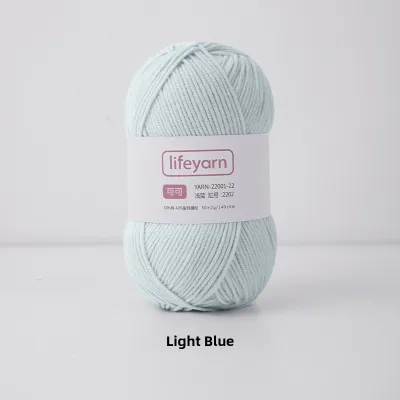
Prices are valid at publication and may change. Please refer to the product page for the latest price.
In some cases, budget-focused manufacturers may deliberately blend cheap synthetic fibers into cotton yarn to lower production costs while marketing the product as “pure” to appeal to natural-fiber enthusiasts. Rather than relying on unverified statistics about market fraud, developing consistent verification habits is the most reliable way to protect your time, budget, and crafting results.
How to Check Yarn Labels and Packaging for Fiber Content
Legitimate manufacturers are required by textile labeling laws in many regions to list exact fiber percentages, such as “100% Cotton” or “60% Cotton, 40% Acrylic.” Look for these explicit breakdowns rather than prominent marketing slogans on the front of the band.

Pure cotton can typically withstand higher washing temperatures and iron heat compared to synthetics. If you see a care label warning against any iron heat or specifying “cool wash only” on a yarn claiming to be pure cotton, this is a strong indicator that heat-sensitive synthetic fibers are present.
Phrases like “cotton feel,” “natural blend,” “cotton soft,” or “bamboo touch” are often used to mimic the appeal of natural fibers without committing to actual cotton content. If the packaging lacks a clear, numerical breakdown of the fiber composition, treat the yarn as a synthetic blend.
Visual and Tactile Signs of Genuine Cotton Yarn
Standard pure cotton yarn has a distinct matte appearance that absorbs light rather than reflecting it. In contrast, synthetic fibers like polyester and acrylic tend to have a subtle, plastic-like sheen or gloss when viewed under direct light.
When you run pure cotton yarn between your fingers, it feels cool to the touch and possesses a slight, natural friction or dry roughness. Synthetic blends often feel noticeably warmer, slippery, or even “squeaky” when compressed or rubbed together.
Pure cotton lacks natural elasticity; if you pull a strand, it will stretch very little and will not snap back like a spring. Synthetic blends, particularly those containing acrylic or nylon, exhibit a springy elasticity and a higher degree of structural “memory” when tensioned.
It is important to note that mercerized cotton undergoes a chemical treatment that swells the fibers, resulting in a lustrous, silk-like sheen. Do not mistake this high-quality natural luster for the synthetic gloss of polyester; mercerized cotton will still retain the cool feel and low elasticity characteristic of pure cotton.
How to Perform a Safe Burn Test on Yarn
Because this test involves open flame, you must take strict precautions. Work in a well-ventilated area—ideally outdoors or near an open window—to avoid inhaling fumes. Hold a small, two-inch snippet of yarn with long metal tweezers, place a heat-safe ceramic bowl or a bowl of water directly underneath, and keep a fire extinguisher or damp cloth nearby. Never leave the flame unattended.
When you bring the flame to pure cotton, it ignites easily and burns with a steady, yellow flame. It continues to burn even after the flame source is removed, producing a light, greyish smoke that smells distinctly of burning paper, leaves, or wood. Synthetic fibers, on the other hand, will shrink away from the flame, melt rapidly, and produce dark, chemical-smelling smoke reminiscent of burning plastic.
Once the flame is extinguished and the sample has cooled completely, inspect the remains. Pure cotton leaves behind a delicate, soft, grey or black ash that crumbles into a fine powder at the slightest touch. Synthetic blends will leave a hard, dark, plastic-like bead or melted lump that cannot be crushed between your fingers.
The burn test is a destructive method, so you should only use a tiny, non-essential snippet from the end of your skein. If the yarn is a blend, it may burn with a paper-like smell initially but still leave a small, hard bead at the tip. Stop the test immediately if the material behaves unpredictably or produces intense chemical fumes.
Where to Source Genuine Cotton Yarn from Trusted Retailers
Prioritize established local yarn shops and authorized brand distributors. These specialty retailers curate their inventory carefully and maintain direct relationships with reputable spinning mills, significantly reducing the risk of carrying mislabeled stock.
When shopping on broad online marketplaces, read customer reviews specifically looking for mentions of fiber authenticity, texture, or burn test results. Avoid listings with unusually low prices compared to typical market rates, as these are highly likely to contain cheap synthetic substitutes.
Before finalizing your purchase at an online craft store, ensure they offer a clear return policy for misdescribed items. A reputable seller will stand behind their product descriptions and allow returns if you discover the fiber content does not match the label.
What to Do If You Buy Mislabelled Yarn
Take clear, high-resolution photographs of the yarn label, the packaging, and the results of your burn test, showing the uncrushable hard bead alongside the original skein.
Contact the retailer immediately to present your documented evidence politely and request a full refund or exchange based on the product being misdescribed. Most established platforms and sellers will resolve the issue quickly to maintain their seller rating.
Share your verification results on the product listing to warn fellow crafters, focusing strictly on the physical evidence of synthetic content to help others make informed purchasing decisions.
Frequently Asked Questions (FAQ)
Can I use the water absorption test to check for genuine cotton yarn?
Yes, but with reservations. Pure cotton is highly hydrophilic, meaning it absorbs water almost instantly when a drop is placed on it. Many synthetic fibers are hydrophobic and will cause water to bead up on the surface. However, this test is not entirely definitive; some cotton yarns are treated with starches, sizing agents, or heavy dyes during manufacturing that temporarily repel water, while certain processed synthetics can be engineered to wick moisture.
Does genuine cotton yarn always pill less than synthetic blends?
Not necessarily. While synthetic fibers like acrylic are notorious for pilling due to their high strength holding onto loose fibers, cotton can also pill if it is spun from short-staple fibers or has a loose twist. Pilling is heavily influenced by yarn construction, wear, and friction, making it an unreliable primary indicator of fiber purity compared to a burn test.

Community discussion
Share your experience or ask a question. Comments are reviewed before publication.