
Verifying the purity of your knitting and crochet materials is essential for ensuring the durability, breathability, and drape of your finished projects. While many skeins are sold with promising labels, synthetic fibers like polyester or acrylic are sometimes blended into cotton yarn to cut manufacturing costs without being clearly disclosed. Determining whether your yarn is genuinely 100% cotton requires a combination of careful label inspection, sensory observation, and a simple, definitive burn test.
By learning how to spot the subtle differences in texture, luster, and burning behavior, you can protect your craft investments and ensure your handmade garments perform exactly as expected. Whether you are knitting lightweight summer wear or crafting durable household items, verifying your fiber content is the first step toward a successful project.
Check the Yarn Label and Packaging First
Before purchasing any yarn, your first line of defense is a thorough examination of the packaging and product labels. Genuine manufacturers who produce high-quality, pure cotton yarn are typically proud to display their fiber content clearly. Look for an explicit “100% Cotton” declaration on the label, rather than vague marketing terms that merely hint at a soft, cotton-like feel.
Products mentioned in this guide
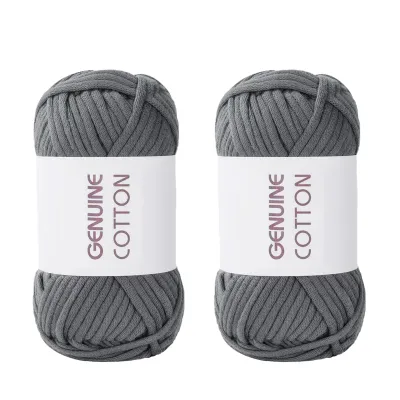
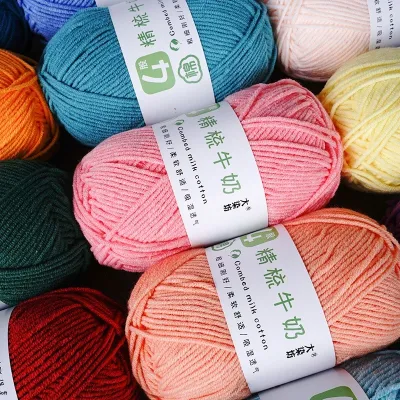
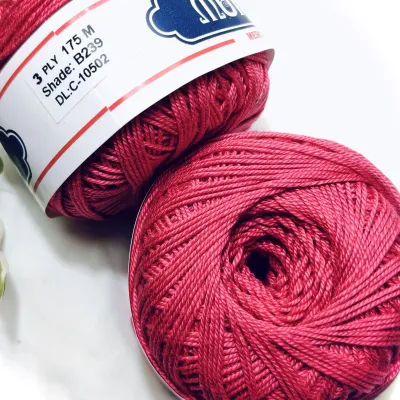
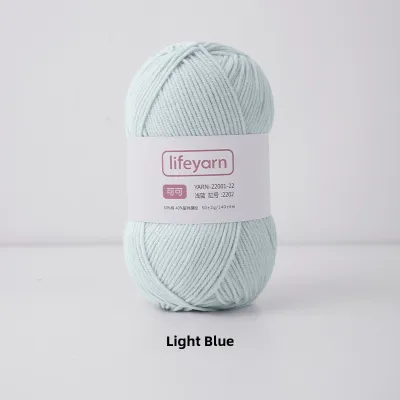
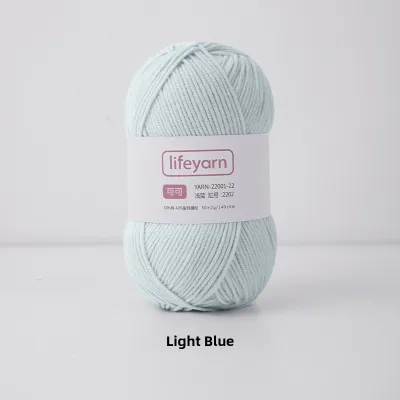
Prices are valid at publication and may change. Please refer to the product page for the latest price.
In addition to the fiber percentage, reputable brands often feature recognized textile certification logos on their packaging. These certifications indicate that the yarn has undergone independent testing for fiber consistency. If you encounter a logo that looks unfamiliar or poorly printed, it is wise to verify its validity online through the certifying body’s official database.
Be highly suspicious of packaging that uses ambiguous phrasing such as “cotton blend” or “cotton-feel” without providing a precise breakdown of the constituent fibers. Low-quality packaging, characterized by blurry printing, spelling errors, or a complete lack of manufacturer contact details, is a common red flag. These visual inconsistencies often point to substandard production facilities where quality control is lax and fiber substitution is common.
Visual and Tactile Inspections Before Buying
If you are shopping in a physical craft store, you can use your senses to evaluate the yarn before purchasing. Pure cotton and synthetic fibers interact with light and touch in fundamentally different ways, allowing you to identify a synthetic blend without damaging the yarn.

Begin by observing the luster of the yarn under bright, natural light. Pure cotton typically exhibits a matte finish or a very soft, natural sheen. In contrast, yarns with high synthetic content, such as polyester or acrylic blends, often have an unnatural, plastic-like shine that reflects light sharply.
Next, run the yarn between your fingers to assess its texture. Pure cotton yarn feels slightly textured, cool, and naturally irregular, reflecting the organic origin of the fibers. Synthetic blends often feel excessively slick, slippery, or unnaturally smooth, and may produce a distinct squeaking sensation when rubbed tightly.
Finally, inspect the loose fiber ends at the tip of the strand. Pure cotton is made of relatively short staple fibers, meaning the ends will appear slightly fuzzy and uneven. Synthetic fibers are extruded as continuous filaments, so their ends are often perfectly uniform, neat, and straight.
The Burn Test: A Practical Fiber Verification Method
When sensory checks leave you uncertain, the burn test is the most reliable, physics-based method to definitively distinguish plant-based fibers from synthetics. Because cotton is a natural cellulose fiber, it reacts to heat and flame in a completely different manner than petroleum-based synthetic polymers. Performing this test requires only a tiny snippet of yarn and a few basic safety precautions.
Safety must always be your primary concern when conducting a burn test. Work in a well-ventilated area, clear the immediate workspace of all flammable materials, use a pair of metal tweezers to hold the yarn snippet, and keep a small bowl of water nearby to extinguish the flame instantly. Never hold the yarn directly with your fingers while lighting it.
When you expose a small piece of genuine 100% cotton yarn to a flame, it will catch fire quickly and burn with a steady, bright yellow flame. As it burns, you will notice a distinct aroma that smells like burning paper or leaves, which is characteristic of burning cellulose. Once the flame is extinguished, the remaining residue will consist of fine, crumbly gray or black ash that easily disintegrates into powder when touched.
A synthetic blend will behave in a starkly different manner under the same conditions. As the flame approaches, synthetic fibers like polyester or acrylic will melt, shrink away from the heat, and sometimes drip hot, liquid plastic. The smoke emitted will carry a harsh, chemical, or sweet plastic odor. Most importantly, the residue left behind will cool into a hard, dark, uncrushable plastic bead that adheres tightly to the fiber ends.
While the burn test is highly effective at revealing the presence of synthetic fibers, it does have practical limitations. It can easily tell you if a yarn is a blend, but it cannot determine the exact percentage of cotton versus synthetic material in a mixed skein. Even a small percentage of synthetic fiber will still produce a tiny, hard bead, confirming the blend but leaving the precise ratio unknown.
Where to Buy Authentic Cotton Yarn Safely
To minimize the risk of purchasing falsely labeled yarn, sourcing your materials from reliable and established channels is essential. Reputable suppliers have a vested interest in maintaining quality control and ensuring that their product descriptions match the actual fiber content. Prioritizing these trusted sources will save you time, money, and frustration.
Whenever possible, purchase your yarn directly from brand official websites, authorized distributors, or well-established local craft and stationery stores. These retailers typically source their inventory directly from manufacturers who adhere to strict labeling standards. Shopping locally also allows you to physically inspect the yarn using visual and tactile methods before spending your money.
When shopping on general e-commerce platforms or online marketplaces, extra vigilance is required. Take the time to scrutinize seller ratings, read customer reviews, and look specifically for photo reviews uploaded by other crafters. Be highly wary of “clearance” or “unlabeled” yarn listings that are priced significantly below the market average—such as skeins sold for under S$2—as these are often clearinghouses for mislabeled or low-grade synthetic substitutes.
If you are planning a large, expensive project and want to try a new yarn brand or an unfamiliar online supplier, always start by purchasing a single skein. This allows you to perform a burn test and evaluate the yarn’s quality firsthand without committing to a bulk purchase.
What to Do If You Suspect a Synthetic Blend
Discovering that the yarn you purchased is not the pure cotton promised on the label can be disappointing, especially if you have already begun your project. However, taking prompt and organized action can help you recover your funds and hold dishonest sellers accountable.
First, gather and preserve all evidence of your purchase and findings. Retain your physical or digital receipt, the original packaging with any batch numbers, and a portion of the unused yarn. If you performed a burn test, take clear photos of the hard plastic bead residue next to the original label to serve as visual proof of the synthetic content.
Next, contact the seller or the customer service department of the e-commerce platform where you made the purchase. Present your evidence clearly and politely, explaining that the material delivered does not match the product description. Most reputable platforms have robust buyer protection policies and will initiate a return or refund once a material discrepancy is demonstrated.
If you suspect that a well-known, reputable yarn brand is being counterfeited, consider reporting your experience directly to the brand’s official customer service or anti-counterfeiting channel. Providing them with the seller’s details, the purchase location, and any batch numbers printed on the label helps legitimate manufacturers track down counterfeit operations.
Frequently Asked Questions (FAQ)
Can I use water absorption to test if yarn is pure cotton?
Yes, water absorption can serve as a helpful supplementary check, though it is not as definitive as a burn test. Pure cotton is highly hydrophilic, meaning it absorbs water quickly and heavily, causing the fibers to swell. Synthetic fibers, which are hydrophobic, tend to repel water initially or absorb it very slowly. However, some synthetic yarns are treated with chemical finishes to improve moisture-wicking, and certain tight spins can delay absorption, meaning this test should only be used to support your other findings.
Does mercerized cotton behave differently in the burn test?
No, mercerized cotton will behave almost identically to standard cotton during a burn test. Mercerization is a chemical treatment using sodium hydroxide that increases the luster, strength, and dye affinity of cotton yarn, but it does not alter the fundamental cellulose structure of the plant fiber. When burned, mercerized cotton will still ignite quickly, smell like burning paper, and leave behind fine, crumbly gray ash without melting into a hard plastic bead.

Community discussion
Share your experience or ask a question. Comments are reviewed before publication.