
To verify the authenticity of Cristiano Ronaldo merchandise, you must look at a combination of physical manufacturing details and official documentation. Genuine items feature high-quality materials, precise stitching, official licensing tags, and unique security holograms. For autographed memorabilia, a Certificate of Authenticity (COA) from a reputable third-party authenticator is essential. Because counterfeiters have grown increasingly sophisticated, relying on a single visual element is rarely enough; a systematic inspection of the product’s physical attributes, packaging, and documentation is required to confirm authenticity.
How to Inspect Official Ronaldo Jerseys and Apparel
When examining a football jersey, start with the interior neck tags and wash labels. Official manufacturers use high-resolution printing on these labels, featuring crisp typography, correct spacing, and specific product codes. Counterfeit jerseys often have blurry text, spelling errors, or labels that feel papery and cheap. Look up the style code printed on the small inner wash tag; searching this code online should bring up images of the exact jersey model, not a different team or a generic shirt.
Next, inspect the physical construction of the garment. Official club crests and manufacturer logos are either embroidered with high thread density or heat-applied using precise, durable materials. Turn the jersey inside out to check the backing of these crests; authentic embroidery is clean with minimal loose threads, whereas fakes often show messy, overlapping threads and paper backing left behind from cheap manufacturing. Heat-pressed elements, such as the player’s name and number, should be perfectly aligned, made of thick, flexible vinyl, and free from bubbling or peeling edges.
Products mentioned in this guide
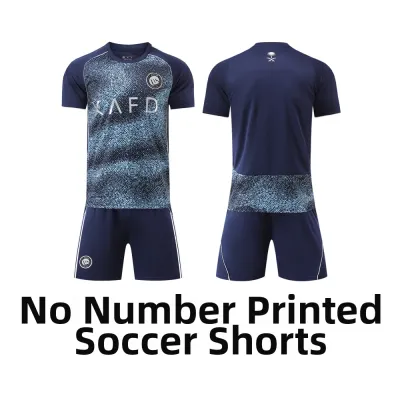
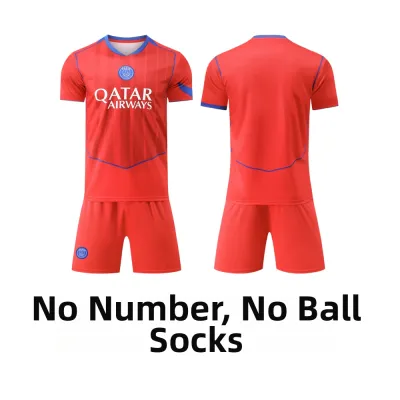
Prices are valid at publication and may change. Please refer to the product page for the latest price.
The fabric itself is a major indicator of quality. Official jerseys use advanced, lightweight polyester blends designed for moisture management. These fabrics have distinct weaving patterns, such as engineered mesh zones under the arms or across the back, which are difficult for counterfeiters to replicate. Feel the weight and texture of the material; authentic shirts feel structured yet breathable, while counterfeits often feel overly synthetic, heavy, or excessively thin and prone to snagging. In warm, humid climates like Singapore, the quality of the adhesive on heat-pressed elements is especially critical; counterfeit jerseys often degrade rapidly, with names and numbers peeling off after a few washes due to substandard glue.
Verifying Signed Items and Certificates of Authenticity (COA)
Autographed memorabilia represents a significant financial investment, making rigorous verification crucial. A genuine signed item should always be accompanied by a Certificate of Authenticity (COA) issued by an established, reputable third-party sports memorabilia authentication firm. These organizations do not merely print a piece of paper; they apply a tamper-evident, serialized hologram directly to the item itself, which matches a corresponding hologram on the physical certificate.

To verify the COA, visit the official website of the issuing authentication company and enter the unique serial number into their online verification database. The database entry must match the specific item, signature description, and date of authentication. If the database search yields no results, or if the details do not align perfectly with the item in your hands, the certificate is likely a fabrication.
Beyond the documentation, examine the signature itself with a magnifying tool if possible. A genuine signature executed with a felt-tip pen or paint marker displays natural variations in ink flow, pen pressure, and speed. Look for “hesitation marks”—tiny pools of ink or shaky lines that occur when a counterfeiter slowly traces a signature. A real autograph is signed quickly and fluidly, resulting in smooth, tapered ends on the pen strokes. Be wary of signatures that look too perfect or identical to online exemplars, as they may have been printed or traced.
Inspecting Licensed Collectibles, Stationery, and Lifestyle Accessories
Ronaldo’s brand extends to various licensed lifestyle products, including stationery, notebooks, posters, and mugs. When evaluating these items, start by looking for official copyright notices, registered trademark symbols, and authorized manufacturer details on both the product and its packaging. Licensed goods must display the official brand marks of the player’s personal brand or the licensing club, complete with correct trademark registration symbols (® or ™).
Print quality is a primary differentiator for smaller collectibles. Authentic stationery, such as notebooks or posters, features high-resolution printing with sharp lines, vibrant colors, and accurate color matching. Counterfeits often rely on low-resolution images scraped from the internet, resulting in pixelation, color bleeding, or a dull, washed-out finish. Check the paper stock of notebooks; official stationery uses high-grade, bleed-resistant paper that feels smooth to the touch, whereas fakes often use thin, rough paper that bleeds easily when written on with ink.
Examine the packaging for structural integrity and retail readiness. Official merchandise is packaged in sturdy boxes or sleeves with clean cuts, precise folds, and secure adhesives. Look for standard retail barcodes, safety compliance marks, and batch numbers. Counterfeit items are frequently shipped in generic plastic bags or flimsy cardboard boxes lacking these standard retail markings.
Evaluating Sellers and Purchase Channels
Where you buy is just as important as what you buy. Purchasing directly from official club webstores, authorized physical retail outlets, or the player’s official brand store is the safest way to guarantee authenticity. When navigating online marketplaces or independent seller platforms, you must exercise a high degree of caution.
Be alert to common seller red flags. An unusually low price is the most obvious warning sign; if a rare signed shirt or a current-season jersey is priced far below standard retail value, it is almost certainly a counterfeit. For instance, if a signed shirt that typically commands hundreds of dollars is listed for S$50, the price itself is a clear indicator of a counterfeit. Additionally, avoid sellers who rely solely on stock photos or low-resolution images. A reputable seller should be willing to provide high-resolution, close-up photographs of specific details upon request, including the inner wash tags, stitching, holograms, and certificates.
Review the seller’s profile, feedback history, and return policies. Look for consistent, detailed reviews from previous buyers rather than generic, repetitive praise. A trustworthy seller will offer a clear, written return policy that allows you to return the item for a full refund if it fails independent authentication. Be cautious of sellers who insist on non-refundable payment methods or push for quick transactions outside of the platform’s secure payment system.
Steps to Take If You Suspect a Counterfeit Purchase
If you suspect that you have purchased a counterfeit Ronaldo item, immediate action is necessary to protect your funds. Begin by thoroughly documenting the product. Take clear, high-resolution photographs of every angle, focusing on the areas that indicate a fake, such as messy stitching, incorrect tags, misspelled labels, or a suspicious certificate. Keep all original packaging, shipping labels, and receipts, as these serve as vital evidence.
Next, initiate a formal dispute through the ecommerce platform or payment provider used for the transaction. Most reputable online marketplaces have buyer protection programs that cover counterfeit goods, provided you report the issue within their specified dispute window. Present your photographic evidence alongside a clear explanation of why the item is not authentic, referencing specific manufacturing discrepancies or failed database checks.
If the platform does not resolve the issue, contact your credit card company or payment processor to initiate a chargeback based on receiving counterfeit merchandise. Be aware that purchasing from unauthorized, overseas sellers or through unregulated social media channels significantly limits your buyer protection options, making pre-purchase verification your strongest defense.
Frequently Asked Questions (FAQ)
Can a Ronaldo jersey be authentic if it lacks a hologram?
Yes, an authentic jersey can lack a hologram depending on its manufacturer, release year, and whether it is a fan-grade or player-issue version. While some brands and eras utilize holographic security stickers on the lower hem or inner tags, others rely on unique serial codes, heat-applied labels, or specific weave patterns. To confirm authenticity, consult the official authentication guidelines for that specific manufacturer and release year, or compare the item’s style code with verified retail examples.
Are digital Certificates of Authenticity (COA) valid for signed items?
Yes, digital Certificates of Authenticity are increasingly common and valid in the modern sports memorabilia market. Many contemporary authentication firms utilize digital ledgers, QR codes, or embedded NFC chips to secure and verify autographed items. To ensure validity, always scan the QR code or access the digital certificate directly through the issuer’s official, verified website or dedicated application, rather than relying on a printed screenshot provided by the seller.
Community discussion
Share your experience or ask a question. Comments are reviewed before publication.