
Verifying the authenticity of Hearts2Hearts merchandise is essential for collectors who want to ensure their purchases are genuine, high-quality, and supportive of the artists. In active idol fan communities, where collectible stationery, photocard holders, and limited-edition gifts are highly prized, the market often sees an influx of unauthorized replicas. Distinguishing genuine items from sophisticated counterfeits requires a systematic approach, focusing on physical print quality, packaging details, and seller credentials. By learning how to spot these differences, you can protect your collection and make informed purchasing decisions.
Why Authenticity Matters for Idol Merchandise
Purchasing official idol merchandise is one of the most direct ways fans can support their favorite artists. When you buy genuine Hearts2Hearts products, a portion of the proceeds goes directly toward supporting the artists’ activities, funding future releases, and enabling official events. Conversely, buying counterfeit goods diverts financial support away from the creators and into the hands of unauthorized manufacturers who exploit the fandom’s enthusiasm.
Beyond the ethical considerations, counterfeit merchandise almost always suffers from significant quality issues. Unauthorized manufacturers typically use low-resolution scans of official artwork, resulting in pixelated prints, inaccurate color grading, and blurry text. Stationery items like notebooks, memo pads, and photocard sleeves may use cheap, thin paper that easily bleeds when written on, or fragile plastics that tear quickly. These items lack the durability and aesthetic appeal of official releases.
Products mentioned in this guide



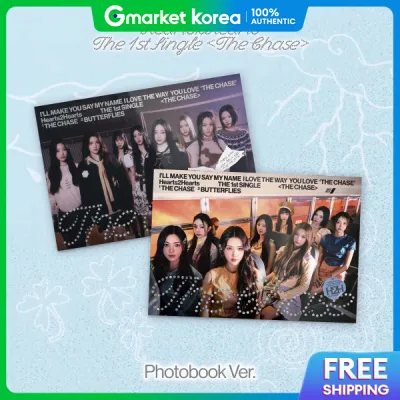
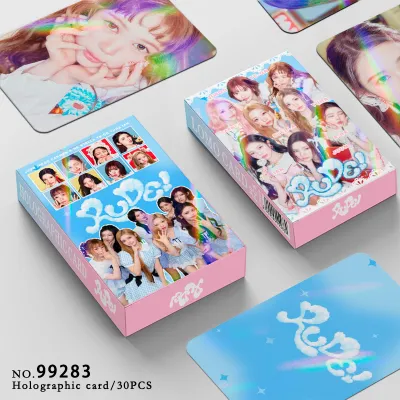
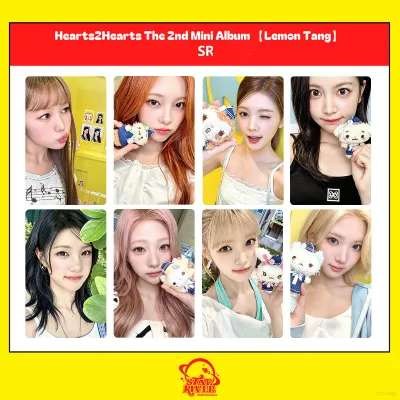
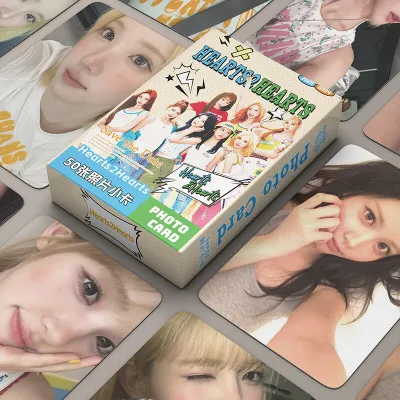

Prices are valid at publication and may change. Please refer to the product page for the latest price.
There are also substantial financial risks involved in purchasing fake merchandise. Collectible items often command premium prices on the secondary market, with fans willing to spend significant amounts in S$ for rare or out-of-print pieces. Counterfeit items hold absolutely no official collectible value and are rejected by the fan community for trading or reselling. Spending hard-earned money on a replica not only results in a low-quality product but also represents a complete loss of financial value.
Physical and Visual Markers of Genuine Hearts2Hearts Products
When inspecting Hearts2Hearts merchandise, the physical and visual details are often the most reliable indicators of authenticity. Official production facilities adhere to strict quality control standards, ensuring that every item meets specific design guidelines. Counterfeiters, operating with limited budgets and inferior equipment, rarely manage to replicate these standards perfectly.

Begin by examining the print clarity and color accuracy of the item. Official merchandise features sharp, crisp lines, vibrant colors, and precise alignment of logos, text, and artwork. If you notice any pixelation, halftone dot patterns under close inspection, or colors that appear washed out, too warm, or unnaturally dark, the item is likely a fake. Pay close attention to the fine print, such as copyright notices and licensing logos, which should be perfectly legible without any bleeding or smudging.
Material quality is another critical factor, especially for stationery and paper-based collectibles. Official notebooks, memo pads, and postcards are printed on heavy, high-grade paper stock that feels substantial to the touch. You can verify this by checking the paper’s resistance to ink bleeding; official stationery is designed to handle standard writing instruments without feathering. Inspect the binding of notebooks and planners—genuine items feature clean, secure stitching or even adhesive application, whereas counterfeits often show loose threads, uneven glue lines, or misaligned pages. For plastic items like photocard holders, the material should be sturdy and free from chemical odors, with clean, heat-sealed edges.
Packaging details can also reveal a counterfeit. Official Hearts2Hearts products are packaged in high-quality boxes, sleeves, or bags that protect the contents during transit. Look for official barcodes, correct copyright text, and precise branding placement. Spelling errors on the packaging are a major red flag, as are flimsy boxes that collapse under light pressure. Genuine packaging is designed to fit the product perfectly, without excess empty space or awkward folding.
Evaluating Seller Credibility and Trusted Channels
Securing authentic merchandise starts with choosing the right purchase source. Whenever possible, buy directly from official brand stores, authorized retail partners, or official event booths during concerts and pop-up shops. These channels guarantee authenticity and ensure your money directly supports the artists.
When navigating third-party e-commerce platforms or peer-to-peer marketplaces, you must exercise extra caution. Be highly skeptical of listings that rely solely on official promotional stock photos rather than actual photos of the physical item in hand. Counterfeit sellers often use stock images to hide the poor quality of their stock. Watch out for vague descriptions that use terms like “fan-made,” “replica style,” “high-quality version,” or “souvenir edition,” which are common euphemisms for counterfeits. Additionally, an unusually high inventory level for an item marketed as a strictly limited edition is a strong indicator of unauthorized mass production.
Take the time to analyze the seller’s profile, ratings, and review history. Look for feedback from other buyers who have purchased similar idol merchandise. Genuine sellers are usually active in the fan community, maintain high positive rating percentages, and are transparent when asked about the item’s origin. If a seller is evasive, refuses to provide additional photos, or cannot explain where they acquired the item, it is best to walk away from the transaction.
Pre-Purchase Verification Checklist
Before committing to a purchase, especially on the secondary market, executing a thorough verification checklist can save you from costly mistakes. This systematic approach helps confirm the legitimacy of the item before any money changes hands.
First, request verifiable proof of purchase from the seller. This can include the original physical receipt, a digital order confirmation email from an official store, or event attendance records like concert ticket stubs that match the release date and location of the merchandise. A legitimate collector who is reselling an item will usually keep these records and be willing to share them, with sensitive personal information redacted.
Second, compare the asking price against the known official retail value in S$. While prices on the secondary market can fluctuate based on demand, an item priced significantly below its original retail value or current market average should immediately raise suspicion. If a deal seems too good to be true, it almost certainly is. Counterfeiters often use low prices to attract quick sales from unsuspecting fans.
Finally, verify the inclusion of all standard official inserts, tags, and protective packaging. Many Hearts2Hearts products come with specific backing cards, branded plastic sleeves, authenticity cards, or unique tags. Check online fan databases or official unboxing videos to confirm exactly what should be included with the product. If these standard components are missing, or if the packaging looks generic and unbranded, the item’s authenticity is highly questionable.
Steps to Take If You Receive a Suspected Counterfeit
If you have already purchased an item and suspect it is a counterfeit upon arrival, taking prompt and organized action is crucial to resolving the issue and protecting your funds.
Start by documenting the discrepancies immediately. Take clear, well-lit photos and videos of the item from multiple angles, focusing on the specific areas that indicate it is a fake, such as blurry printing, poor stitching, or incorrect packaging text. If possible, place the suspected item next to a known genuine product or an official reference image to highlight the differences clearly. This visual evidence will be vital for any dispute process.
Next, initiate a return or refund request through the e-commerce platform’s buyer protection policy. Most reputable platforms have strict rules against the sale of counterfeit goods and offer protection for buyers who receive misrepresented items. Present your documented evidence clearly and concisely, explaining how the item fails to meet the standards of genuine merchandise. Avoid emotional language; focus on the objective physical differences and the lack of official markings.
Finally, report the suspicious listing and the seller’s account to the platform administrators. By reporting counterfeit sales, you help clean up the marketplace and prevent other fans from falling victim to the same scams. Many platforms take these reports seriously and will remove listings or suspend sellers who repeatedly violate intellectual property policies.
Frequently Asked Questions (FAQ)
Can I rely solely on holographic stickers to verify authenticity?
No, you cannot rely solely on holographic stickers or security seals. While these features are designed to deter counterfeiters, advanced replication techniques allow unauthorized manufacturers to produce very convincing fake stickers. A holographic sticker should only be viewed as one part of your verification process. You must always cross-reference the sticker with other physical indicators, such as print clarity, paper weight, packaging quality, and the overall credibility of the seller.
Are second-hand Hearts2Hearts items safe to buy?
Purchasing second-hand items carries inherent risks, but you can minimize these risks by taking proper precautions. Always ask the seller for original purchase receipts, order confirmations, or proof of official event attendance. Evaluate the seller’s reputation within local fan communities and request detailed, unedited photos of the actual item taken under natural light. If a seller is unwilling to cooperate with these requests, it is safer to look for another source.

Community discussion
Share your experience or ask a question. Comments are reviewed before publication.