
To verify authentic G-Dragon (Gdragon) merchandise, you must combine physical inspection, security label validation, and careful seller evaluation. The high global demand for G-Dragon’s official releases, including his PEACEMINUSONE brand and YG Entertainment collaborations, has led to a surge in sophisticated counterfeit products. By learning how to spot the subtle differences in print quality, paper weight, holographic stickers, and digital verification paths, you can protect your collection and ensure your funds directly support the artist.
Navigating the secondary market requires a methodical approach. Counterfeiters have become highly skilled at replicating outer packaging, making a cursory glance insufficient. Whether you are purchasing collectible photo cards, limited-edition stationery, or apparel, understanding the specific manufacturing standards of official merchandise is your best defense against fraud.
Understanding the Risks of Counterfeit Idol Merchandise
The market for K-pop merchandise has grown exponentially, and with this growth comes a significant rise in counterfeit goods. Unofficial items are produced without the oversight of the artist’s management agency or brand partners, resulting in products that fail to meet basic quality standards. For dedicated fans, purchasing these items leads to immediate disappointment when the physical goods arrive.
Products mentioned in this guide
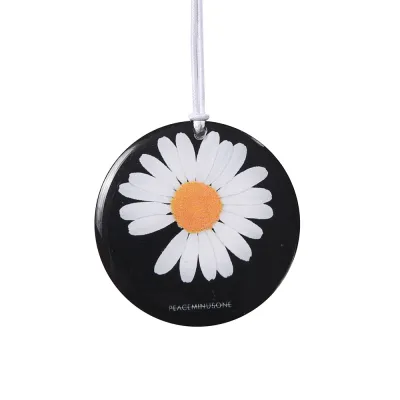
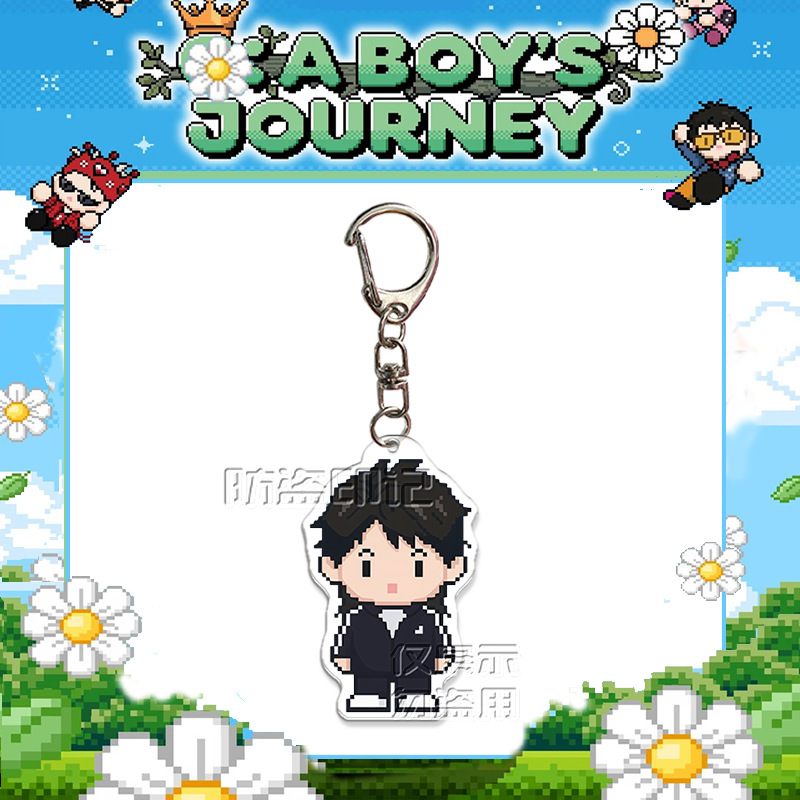
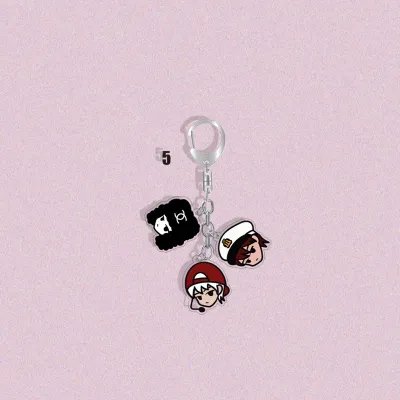
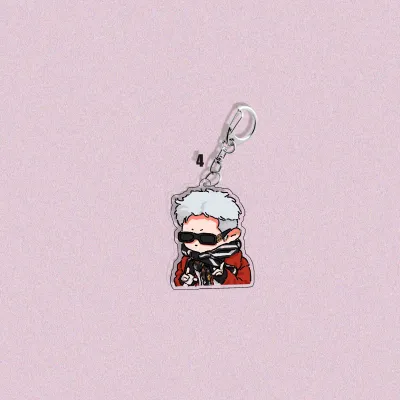

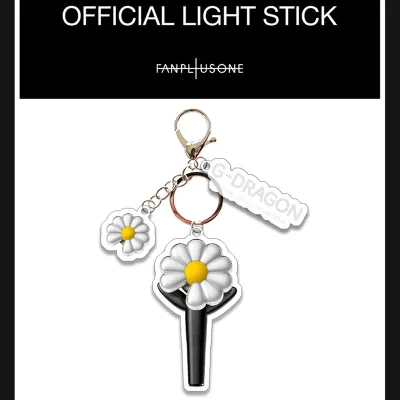
Prices are valid at publication and may change. Please refer to the product page for the latest price.
Beyond the personal financial loss, buying counterfeit merchandise directly impacts the fan experience and the artist. Official merchandise sales are a primary way fans financially support G-Dragon’s creative projects, music production, and brand developments. When you inadvertently purchase a fake item, your money goes to unauthorized manufacturers rather than supporting the artist’s official endeavors.
In the realm of stationery and gift items, counterfeit products exhibit severe durability issues. Fake notebooks, planners, and stickers often utilize low-grade paper that degrades rapidly, especially in humid climates like Singapore’s. The inks used on counterfeit items are prone to fading or smudging when exposed to light or light moisture, and the adhesives on stickers or tape frequently dry out, causing them to peel away shortly after application.
Key Visual and Physical Checks for Authenticity
Evaluating the print and color accuracy of the item is one of the most reliable ways to identify a counterfeit. Official G-Dragon merchandise undergoes rigorous quality control to ensure colors are vibrant, consistent, and true to the official promotional images. Counterfeit items, often printed from low-resolution scans of official products, frequently display pixelation, blurred text, or unnatural color shifts, such as a yellow or blue tint over white areas.

For stationery items like notebooks, journals, and collectible photo cards, the physical weight and texture of the paper are critical indicators of authenticity. Official photo cards are printed on heavy, premium cardstock that feels rigid and substantial. They feature a smooth, uniform protective coating that resists minor scratches. In contrast, counterfeit photo cards are often printed on thin, flimsy paper that bends easily and lacks the characteristic gloss or matte finish of the original.
The cutting and binding methods used during manufacturing also reveal an item’s origin. Examine the edges of photo cards and stickers; official items are machine-cut with perfect precision, resulting in smooth, rounded corners. Counterfeits often have rough, uneven edges, or tiny paper fibers clinging to the borders from manual cutting tools. For notebooks, inspect the binding integrity. Official journals use tight, even stitching or high-quality flexible glue that allows the book to lie flat without the pages shedding, whereas fake notebooks often have loose threads or brittle glue that cracks upon opening.
If you are inspecting apparel or lifestyle accessories, pay close attention to the craftsmanship details. Official PEACEMINUSONE items and concert apparel feature clean, straight stitching with no loose threads or overlapping seams. The hardware, such as zippers, buttons, and metal clasps, should feel heavy and operate smoothly. Counterfeit apparel often uses cheap, lightweight metal or plastic hardware that tarnishes quickly, along with uneven stitching that easily unravels.
Verifying Official Holograms, Tags, and Certificates
Official K-pop merchandise and brand collaborations almost always feature anti-counterfeit security labels. These holographic stickers are typically placed on the back of the product packaging, on the hangtags, or directly on the certificate of authenticity. When tilted under a light source, an official hologram should display a clear, multi-layered 3D effect with sharp color transitions and distinct brand logos or serial numbers embedded within the foil.
Counterfeiters often attempt to replicate these stickers, but their versions usually look flat, dull, or lack the detailed multi-layered depth of genuine holograms. It is important to note that the design, color, and placement of these security labels can change across different production batches, album eras, or specific brand collaborations. Always research the specific security features associated with the exact release period of the item you are targeting.
Many modern G-Dragon releases incorporate digital verification features, such as QR codes or unique serial numbers. When you scan an official QR code, it should redirect you directly to the official brand, agency, or authorized verification domain. Be highly cautious of QR codes that lead to unfamiliar third-party websites or cloned domains designed to mimic the official brand’s interface. Always double-check the full URL in your browser’s address bar to ensure it is secure and hosted on the official company domain.
Cross-referencing the typography and layout on product tags is another effective verification step. Compare the hangtags, washing labels, and certificates of authenticity against known genuine examples. Look closely at the font style, letter spacing, and the alignment of the text. Counterfeit tags frequently exhibit minor spelling mistakes, inconsistent font weights, or incorrect company address information, as counterfeiters often rush the production of these secondary details.
Evaluating the Seller and Purchase Channels
To minimize the risk of purchasing counterfeit goods, prioritize buying from authorized retailers and official distribution channels. These include the official PEACEMINUSONE online store, verified agency shops, and authorized physical pop-up stores. When shopping on major online marketplaces or e-commerce platforms, look for verified flagship stores or sellers with official brand partnerships.
When browsing third-party listings or secondary market platforms, learn to spot common red flags. An unusually low price is the most obvious warning sign; if a highly sought-after, limited-edition G-Dragon item that typically commands a high market value of S$150 is listed for S$15, it is almost certainly a counterfeit. Additionally, be wary of sellers who rely entirely on official stock photos rather than providing clear, high-resolution photos of the actual physical item in their possession.
Unrealistic inventory claims are another major red flag for limited-edition merchandise. If a seller claims to have dozens of copies of a long-sold-out, highly limited item, you should proceed with extreme caution. Take the time to thoroughly review the seller’s reputation and feedback history on the online marketplace. Look specifically for reviews from previous buyers mentioning poor item quality, packaging discrepancies, or suspected counterfeit products.
What to Do If You Suspect a Counterfeit Purchase
If you receive an item and suspect it is counterfeit, your immediate priority should be documenting the evidence to protect your consumer rights. Before opening any package, set up a camera to record a continuous, unedited unboxing video. Ensure the video clearly shows the shipping label with your tracking details, the sealed state of the outer packaging, and the step-by-step opening of the item, focusing closely on any physical flaws, tags, or suspicious details.
Take high-resolution, well-lit photos of the specific areas that raise concerns, such as blurred printing, poor paper quality, misaligned logos, or flat holographic stickers. This documentation will serve as crucial evidence when you initiate a dispute. Most major e-commerce platforms and online marketplaces offer built-in buyer protection programs that allow you to report counterfeit goods and request a full refund.
Submit your unboxing video and detailed photos along with a clear explanation of why the item is counterfeit, referencing the official verification steps outlined in this guide. To prevent the further circulation of counterfeit goods, do not attempt to resell the suspected fake item to another fan. Instead, report the seller’s listing directly to the platform administration and consider sharing your findings with local fan communities to help protect other collectors from falling victim to the same seller.
Frequently Asked Questions (FAQ)
Are all G-Dragon items without a holographic sticker fake?
No, the absence of a holographic sticker does not automatically mean the item is counterfeit. While modern releases and major collaborations heavily utilize these security labels, older merchandise batches, specific promotional giveaways, or certain venue-exclusive concert items may not have included them. Additionally, packaging designs can vary by region. To be certain, always cross-reference the specific item’s release history and check official agency or brand announcements regarding the security features used during that specific production run.
Can I trust third-party authentication services for K-pop merchandise?
While third-party authentication services are highly reliable for luxury fashion, sneakers, and high-end watches, they generally lack standardized, universally recognized programs for K-pop merchandise and stationery. Most general authentication platforms do not have the specialized database or expertise required to verify niche idol collectibles. Therefore, you should rely primarily on official brand verification methods, purchasing through authorized channels, and performing your own physical inspections using known genuine reference items.

Community discussion
Share your experience or ask a question. Comments are reviewed before publication.