
Identifying authentic CORTIS merchandise requires a systematic approach of inspecting physical details, verifying official security markers, and cross-referencing product specifications with official brand releases. As idol merchandise grows in popularity, counterfeiters have become increasingly sophisticated, making it essential to look beyond surface-level appearances. By examining the print quality, packaging integrity, and holographic labels, and by purchasing only through verified channels, you can protect your collection and ensure your funds support the actual creators.
Why Authenticity Matters in Idol Merchandise
The market for K-pop and idol merchandise has seen a significant rise in unauthorized replicas and bootleg items. For passionate collectors, purchasing these counterfeit goods often leads to disappointment. Fakes typically suffer from poor material quality, inaccurate color reproduction, and a complete lack of official warranty or customer support. From a broader perspective, buying authentic merchandise is the primary way fans financially support their favorite artists and the creative teams behind them. Official sales contribute directly to charting, brand partnerships, and the sustainability of future releases, whereas counterfeit sales only benefit unauthorized manufacturers who exploit the community’s enthusiasm.
Physical Checks: Inspecting Packaging and Build Quality
When you receive a CORTIS product, the first line of defense is a thorough physical inspection of the packaging and build quality. Official merchandise is produced under strict quality control standards, which are immediately apparent in the packaging. Examine the outer box or sleeve for structural integrity; official packaging uses sturdy, high-grade cardstock or plastic that does not easily warp or dent. Pay close attention to the typography and logos. Official CORTIS branding features crisp, perfectly aligned text with consistent font weights and spacing.
Products mentioned in this guide
![[SG]Recommend CORTIS Nightlight Badge BP Fourth Edition Pin Badge Set - 12 Designs 75mm - Silver Matte - Silver Glitter - Ten Lucky Charms - Includes Pin Case](https://img.lazcdn.com/g/ff/kf/S1e4ef39d5bd24aec8a93c1205eeef014m.jpg_400x400q80.jpg_.webp)
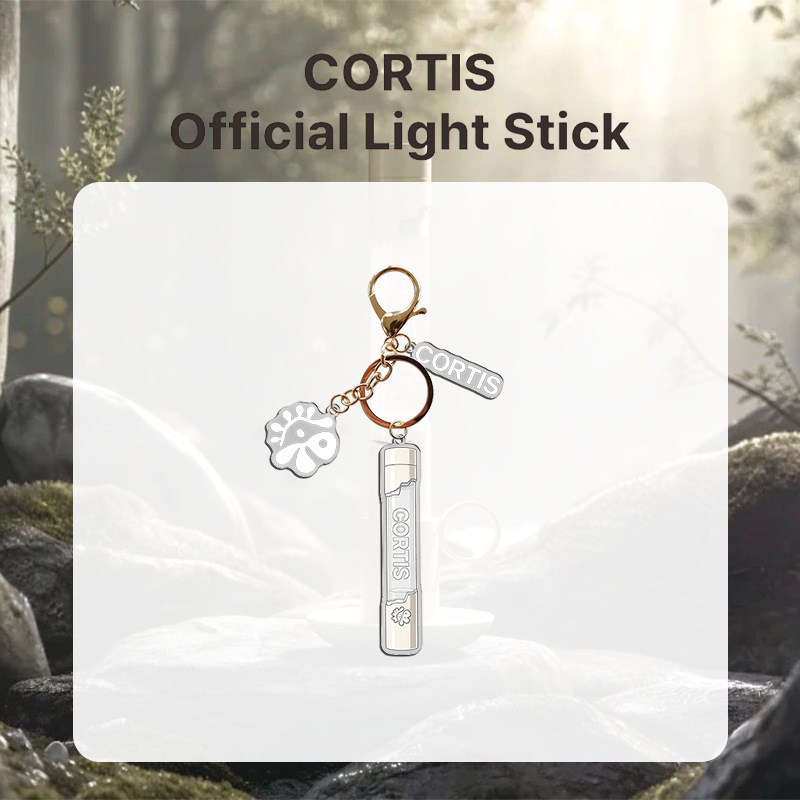


Prices are valid at publication and may change. Please refer to the product page for the latest price.

Next, assess the print clarity and material texture of the merchandise itself. If the item includes paper goods like photocards, postcards, or lyric booklets, check the paper thickness and finish. Authentic cards typically feature a specific weight, smooth edges without paper burrs, and a professional matte or glossy coating that resists minor handling wear. For acrylic stands or keyrings, verify that the edges are polished and smooth rather than sharp or unevenly cut.
Finally, look for official authenticity markers. Many official releases feature specialized holographic stickers, unique serial numbers, or security labels. When tilted under a light source, an authentic holographic sticker should display clear, multi-layered color shifts and sharp micro-text rather than a flat, dull metallic sheen.
Visual and Tactile Red Flags of Counterfeits
Spotting a counterfeit often comes down to identifying subtle visual and tactile discrepancies that unauthorized manufacturers overlook. One of the most common visual red flags is blurry or pixelated imagery. Counterfeiters frequently scan official photos and reprint them, resulting in a loss of detail, visible dot patterns, or unnatural color palettes that appear either oversaturated or washed out compared to official promotional images. Text alignment is another giveaway; look for misaligned headers, inconsistent margins, or slight spelling errors on inserts and instruction manuals.
Tactile feedback is equally revealing. Authentic CORTIS items are designed to feel substantial and durable. If a plastic component feels unusually light, brittle, or hollow, it is highly likely to be a fake. For fabric-based merchandise like pouches, bags, or apparel, inspect the stitching. Authentic items feature tight, even seams with no loose threads or fraying edges. In contrast, counterfeit goods often exhibit weak stitching, uneven borders, and cheap zippers or clasps that catch or break easily. Additionally, check for missing accessories or incorrect tags; fakes often omit small components like branded backing cards, specific safety inserts, or correct barcode labels.
Verifying Legitimacy Through Official Brand Resources
When physical inspection leaves room for doubt, utilizing official brand resources can provide definitive answers. Start by visiting the official CORTIS website or their verified social media accounts to cross-reference your item. Compare the exact dimensions, weight, and material specifications listed online with the product in your hands. Even a minor discrepancy of a few millimeters in size or a slight variation in weight can indicate a counterfeit.
Keep an eye out for official guides or announcements regarding authenticity markers. Brands frequently release detailed infographics or notices detailing the specific security stickers, packaging updates, or hidden design elements used for recent production batches. If you notice an unfamiliar packaging variation or a suspicious batch number, you can contact official customer support directly. Providing them with clear photos of the barcode, serial number, and purchase origin can help them verify whether the item belongs to an authorized production run or if it is a known counterfeit circulating in the market.
Selecting Reliable Purchasing Channels
The most effective way to avoid counterfeit CORTIS merchandise is to be selective about where you shop. Prioritizing official brand stores, authorized retail partners, and verified physical concert or event venues virtually eliminates the risk of purchasing a fake. These channels source their inventory directly from the manufacturer, ensuring absolute authenticity and providing reliable customer service.
If you must use third-party online marketplaces or e-commerce platforms, proceed with caution. Carefully evaluate the seller’s profile by checking their overall rating, the longevity of their store, and detailed customer reviews. Look specifically for reviews that include photos of the actual received items, and read the critical, lower-star feedback to see if other buyers have reported quality issues or missing authenticity markers. Be highly skeptical of listings that use official stock photos instead of actual product images, as well as those offering prices that are significantly lower than the official retail price. For instance, if a highly sought-after CORTIS item typically retails for S$40, a listing priced at S$10 is a major red flag. Always ensure the seller has a clear, documented return policy that covers counterfeit or misrepresented goods.
Steps to Take If You Suspect a Counterfeit Purchase
If you suspect that you have received a counterfeit CORTIS item, taking prompt and organized action is crucial to protecting your funds. Begin by thoroughly documenting the product. Take clear, well-lit photos and videos from multiple angles, focusing on the packaging, tags, barcodes, and the specific physical flaws or missing markers that indicate it is a fake. Compare these side-by-side with official product images to build a clear case.
Next, initiate a formal return or refund request through the e-commerce platform’s buyer protection program. Avoid contacting the seller directly outside the platform’s official messaging system, as all communications should be recorded for mediation. State clearly that the item received is counterfeit, and upload your photographic evidence. Most reputable online marketplaces have strict policies against counterfeit sales and will refund your money once the claim is verified. If the seller or the platform is uncooperative, or if the dispute window has closed, you can escalate the issue by filing a dispute or chargeback with your credit card provider or payment service, presenting your documentation as proof of receiving a misrepresented product.
Frequently Asked Questions (FAQ)
Can I trust third-party sellers with high positive ratings?
While high positive ratings are generally a good sign, they do not guarantee authenticity. Some sellers on e-commerce platforms manipulate their ratings using fake reviews, brush sales, or by initially selling genuine low-cost items before switching to counterfeit high-value merchandise. To protect yourself, look beyond the overall percentage score. Read the detailed, written reviews—especially recent ones—and check for customer-uploaded photos. Pay close attention to any negative feedback that mentions poor print quality, flimsy packaging, or missing official stickers, as these are far more telling than a high volume of generic five-star ratings.
Does a missing holographic sticker always mean the item is fake?
A missing holographic sticker is a strong warning sign, but it does not automatically mean the item is counterfeit. Depending on the product type, older production batches, or specific regional distribution agreements, some authentic items may be packaged without certain stickers. Additionally, packaging designs can change between first-press editions and subsequent restocks. To make an accurate determination, check official unboxing videos from verified creators or refer to the brand’s official product announcements to see if your specific batch or edition was released with or without the holographic marker.
Community discussion
Share your experience or ask a question. Comments are reviewed before publication.