
To verify authentic BTS merchandise, buyers must look for official licensing markers, inspect physical security holograms, and purchase from authorized retail channels. The market for idol merchandise has grown rapidly, leading to an influx of sophisticated counterfeits that mimic official designs.
For fans in Singapore, distinguishing between genuine collectibles and unauthorized replicas requires a systematic approach. Whether you are purchasing stationery, apparel, or physical media, understanding the specific markers of authenticity protects your collection and ensures your money supports the artists.
This guide outlines the practical steps to evaluate your items, from checking holographic stickers to identifying authorized local distributors. By applying these verification methods, you can confidently build a collection of genuine memorabilia.
Products mentioned in this guide
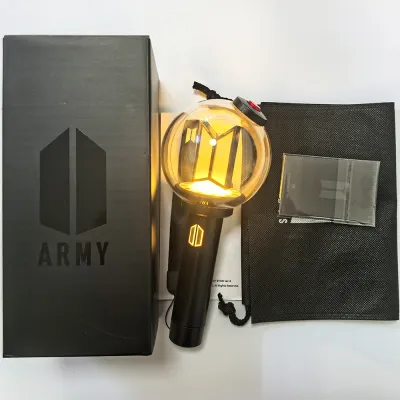
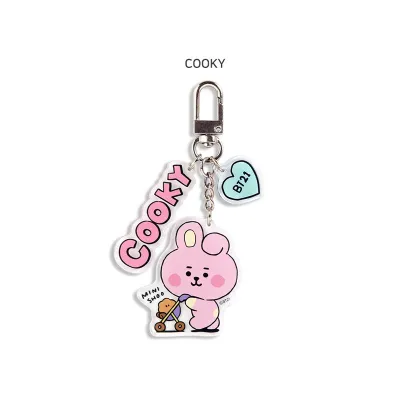
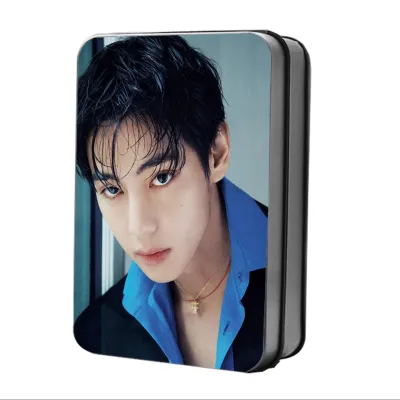
![BTS - [2025 BTS FESTA : CAPSULE ALBUM Vol.1]](https://img.lazcdn.com/g/p/342d34d816f1898af60c11c7caaf9230.jpg_400x400q80.jpg_.webp)
![Coca-Cola x BTS V Post Card Set of 4 [Gift with Purchase]](https://img.lazcdn.com/g/p/e24b971f3708a192b76cc95e9c776eee.jpg_400x400q80.jpg_.webp)
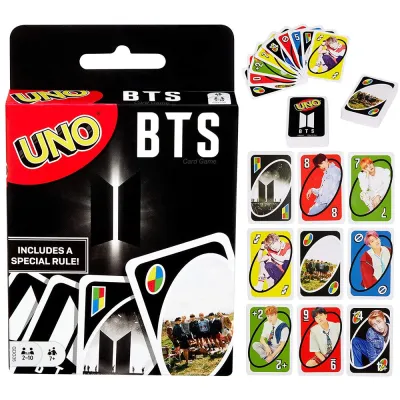
Prices are valid at publication and may change. Please refer to the product page for the latest price.
Identify Official BTS Brands and Licensing Partners
Official BTS merchandise is produced and distributed under strict licensing agreements managed by the group’s parent company, HYBE, and its dedicated retail arm, Weverse Shop. When evaluating any product, the first step is to identify the corporate entity listed on the packaging. Genuine items will feature clear copyright notices attributing ownership to IPX Corporation (for BT21 characters) or HYBE.
Licensed collaborations represent another major category of official merchandise. Major global and local brands frequently partner with the group to produce limited-edition stationery, cosmetics, or lifestyle accessories. In these cases, the product packaging must display both the partner brand’s logo and the official licensed assets, accompanied by a formal licensing statement.
Character lines such as BT21 and TinyTAN have their own distinct branding ecosystems. BT21 items, created in partnership with Line Friends, feature specific design guidelines, consistent character proportions, and dedicated packaging styles. If you notice inconsistencies in character coloring, distorted facial features, or unusual fonts on the labels, the item is highly likely to be an unauthorized imitation.
It is essential to understand the legal and quality differences between official artist merchandise and fan-made goods. Fan-made items, often referred to as fan art or unofficial goods, are created by independent creators without official licensing. While many fan creators are transparent about the unofficial nature of their work, counterfeiters actively attempt to pass off unauthorized replicas as official releases to command higher prices.
Inspect Packaging, Holograms, and Physical Markers
A physical inspection is one of the most reliable ways to detect counterfeit merchandise. Official products almost always feature a specialized holographic security sticker affixed to the packaging or the item itself. These stickers are designed with complex optical patterns that shift colors or reveal hidden logos when tilted under a light source.

When examining a hologram, observe the clarity of the printed text and the sharpness of the shifting images. Counterfeit stickers often look dull, lack distinct color transitions, or feature blurry, static images that do not change when viewed from different angles. Additionally, check the placement of the sticker; official holograms are applied precisely, whereas fake items may have crooked, peeling, or poorly aligned stickers.
Print quality and material texture offer further clues during your inspection. Official stationery items, such as photocard binders, notebooks, and journals, utilize high-grade paper stock and durable binding materials. Genuine binders feature smooth, clear plastic sleeves that do not easily tear or cloud, while counterfeit versions often use thin, low-quality plastics that emit a strong chemical odor.
Evaluate the color accuracy of the printed graphics on both the packaging and the product. Authorized manufacturers use professional-grade printing presses that deliver vibrant, consistent colors and sharp text. Counterfeit items frequently exhibit color bleeding, pixelation, or a washed-out appearance, which is particularly noticeable on photocard reproductions and paper inserts.
Always look for correct copyright notices, trademark symbols, and manufacturer details on the labels. Official merchandise includes specific legal text, such as “© HYBE. All Rights Reserved.” or “© IPX Corporation.” Counterfeit packaging often contains spelling errors, missing trademark symbols, or generic manufacturer descriptions that fail to match the official product listings.
For stationery items like gel pens or notebooks, verify the physical performance. Genuine pens should offer smooth ink flow without skipping, and the ink should dry quickly to resist smudging. Notebook paper should resist ink bleeding and feathering when tested with standard gel pens or markers. If the paper feels unusually thin or the ink bleeds through immediately, it may indicate a counterfeit product.
Choose Authorized Retail Channels in Singapore
Securing authentic merchandise begins with choosing the right purchasing channels. In Singapore, the safest option is to buy directly from official online platforms, such as the official global fan community shop, or authorized physical pop-up stores that open periodically in major retail districts. These channels receive inventory directly from the licensed manufacturers, eliminating the risk of receiving counterfeit goods.
When official channels are sold out, collectors often turn to local retail partners and specialty stationery shops. Before making a purchase, verify if the retailer is an authorized stockist of official merchandise. Reputable local stores in Singapore will openly share their sourcing practices and provide clear product details, ensuring transparency for the consumer.
If you choose to browse third-party listings on general e-commerce platforms or online marketplaces, extra caution is required. Evaluate the seller’s overall rating, the volume of successful transactions, and the authenticity of customer reviews. Be skeptical of reviews that use identical phrasing, lack original photos of the received items, or appear overnight in large numbers.
Price realism is a critical indicator of authenticity. Official merchandise carries a premium due to licensing fees, manufacturing standards, and import costs. If a seller offers a highly sought-after item, such as a limited-edition photocard binder or a collectible pen set, at a price significantly below the standard market value in Singapore (for example, a S$50 item listed for S$10), it is highly likely to be a counterfeit.
Other major red flags include listings that mention “no original packaging,” “unbranded version,” or use vague descriptions like “fan-version” to obscure the product’s origin. Authentic items are rarely sold loose without their original protective boxes, backing cards, or plastic wraps, as these components carry the essential security markers and licensing information.
Steps to Take If You Suspect a Counterfeit Purchase
If you suspect that you have accidentally purchased a counterfeit item, immediate action is necessary to protect your consumer rights. Begin by documenting the discrepancies between the received product and an authentic version. Take clear, high-resolution photographs of the item under good lighting, focusing on the areas of concern, such as blurry printing, missing copyright notices, or a static security sticker.
Compare your item directly with official product photos from authorized store listings to highlight the differences. Keep all original packaging, shipping labels, and receipts intact, as these serve as vital evidence during the dispute process. Having a side-by-side comparison ready will significantly strengthen your case when presenting it to customer support.
Next, initiate a formal return or refund request through the e-commerce platform’s buyer protection program. Most reputable online marketplaces have strict policies against the sale of counterfeit goods and offer refund guarantees if the buyer can prove the item is unauthorized. Submit your documented photo evidence and a clear explanation of why the product is fake.
Finally, report the unauthorized seller to the platform’s administration to prevent other buyers from being misled. Providing detailed feedback about your experience helps online marketplaces identify and remove fraudulent listings, contributing to a safer shopping environment for the local collecting community in Singapore.
Frequently Asked Questions (FAQ)
Can fan-made BTS merchandise be considered official?
No, fan-made merchandise cannot be considered official. While these items are often created by talented artists within the community, they are produced without the authorization, licensing, or oversight of the group’s management company. Official merchandise must carry legal copyright notices and authorized branding markers, which fan-made goods lack. Purchasing unlicensed items marketed as official carries the risk of receiving low-quality products that do not support the artists directly.
Do all official BTS items have a holographic sticker?
While the vast majority of official items feature a holographic security sticker, there are exceptions. Some smaller stationery items, older releases, or specific promotional goods may use alternative authentication methods, such as unique serial numbers or specific packaging designs. If an item lacks a hologram, cross-reference its details, dimensions, and materials with official store listings or verified community databases to confirm its authenticity.
How can I verify a digital receipt or proof of purchase?
To verify a digital receipt provided by a third-party seller, look for official store headers, correct transaction dates, and matching item descriptions. Ensure the order number and pricing align with the official store’s standard rates. Be cautious of easily editable screenshots, as counterfeit sellers often reuse or alter digital receipts; instead, request a screen recording of the seller logging into their official store account to show the order history.

Community discussion
Share your experience or ask a question. Comments are reviewed before publication.