
Tempered glass whiteboards offer a sleek, ghosting-free surface for modern classrooms, but pairing them with magnetic letters and teaching aids requires understanding the specific physical properties of the board. Unlike traditional steel-core whiteboards, glass boards have a thick outer layer that significantly alters how magnetic forces interact with the backing material. Successfully pairing these boards with educational accessories requires understanding the physical properties of tempered glass, selecting the correct grade of magnets, and implementing safe handling practices. By taking a systematic approach to compatibility and accessory selection, you can transform a standard glass board into a highly interactive, dynamic learning tool that supports phonics, mathematics, and collaborative brainstorming without compromising the pristine condition of the writing surface.
Verify Your Glass Whiteboard's Magnetic Compatibility
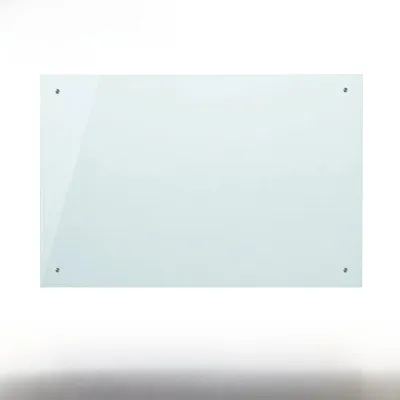
Before purchasing magnetic letters or planning classroom activities, you must determine whether your specific tempered glass whiteboard supports magnetic accessories. Not all glass whiteboards are magnetic; many standard models consist solely of a tempered glass panel mounted directly to the wall without any metallic backing. Check the manufacturer’s product label or specifications to confirm the presence of an integrated steel backing plate.
This steel layer is what allows magnets to stick, but because it sits behind a sheet of tempered glass that is typically 4mm to 6mm thick, the magnetic field must travel a significant distance to establish a secure hold. This physical gap reduces the effective pull strength of standard magnets. A magnet that clings tightly to a traditional whiteboard may slide down a glass board or fall off entirely. To assess your board’s actual holding capacity, perform a quick physical grip test with a standard magnet before planning interactive lessons. If it slides down slowly or fails to stick, your board either lacks a magnetic backing entirely or requires specialized, high-strength magnets designed specifically for glass surfaces.
Products mentioned in this guide
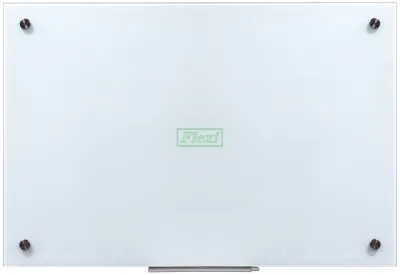
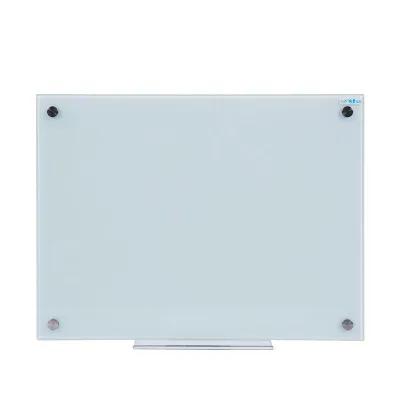
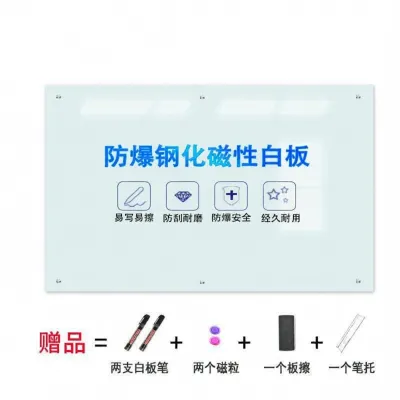
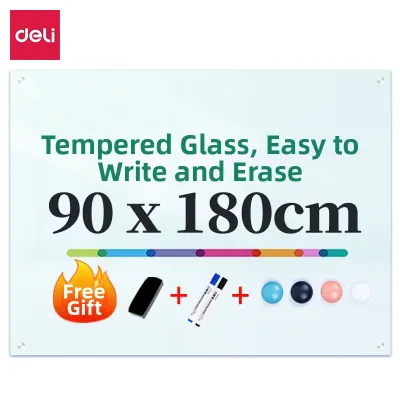
Prices are valid at publication and may change. Please refer to the product page for the latest price.
Selecting the Right Magnets and Accessories for Glass Surfaces
When selecting magnetic letters and teaching aids for a compatible tempered glass whiteboard, the type of magnet used is the most critical factor. Standard flexible rubber magnets and basic ceramic magnets are generally insufficient for glass surfaces because their magnetic fields are too weak to penetrate the glass barrier. Instead, evaluate the need for high-strength rare-earth (neodymium) magnets, which generate a much stronger magnetic field relative to their size, allowing them to bridge the gap created by the tempered glass.

Look for educational accessories specifically marketed for glass whiteboards or heavy-duty magnetic surfaces. These items are engineered with the correct magnetic grade and weight distribution to ensure they remain stationary during lessons. It is also important to assess the weight-to-magnet ratio of teaching aids to prevent them from slowly drifting down the board during use. A heavy cardboard flashcard or a thick plastic letter requires a larger or more powerful magnet than a lightweight, thin plastic counterpart.
Additionally, pay close attention to the physical design of the magnetic backing. Because neodymium magnets are exceptionally strong, they can snap together or slide across the glass with significant force. To protect your tempered glass whiteboard from scratches, choose magnetic accessories that feature a soft, protective backing layer. Felt, silicone, or rubber coatings over the magnetic contact points act as a cushion, allowing students and teachers to slide letters across the board smoothly without leaving marks.
Alternative Mounting Methods for Non-Magnetic Glass Boards
If your verification test reveals that your tempered glass whiteboard is non-magnetic, or if you find that even high-strength magnets are not performing reliably, you do not need to abandon your interactive teaching plans. There are several highly effective, non-destructive alternative mounting methods that allow you to secure letters and teaching aids to a glass surface without relying on magnetic force.
Utilize static cling vinyl letters or shapes for lightweight educational items. These accessories adhere to smooth, non-porous glass surfaces purely through static electricity and can be applied, moved, and removed infinitely without leaving any sticky residue. Another versatile option is reusable adhesive putty. When using putty on a glass whiteboard, ensure you select a high-quality, non-staining variety designed specifically for non-porous surfaces. A small pinch of putty applied to the back of a lightweight plastic letter provides a secure hold that can be easily adjusted during a lesson.
Avoid standard double-sided tapes, heavy-duty foam tapes, or harsh chemical adhesives. These products can leave a stubborn, sticky residue that attracts dust and ruins the smooth writing experience of the glass, and removing them often requires scraping tools that can permanently scratch the surface. Alternatively, you can mount a separate magnetic receiver board or metal strip adjacent to the glass surface to hold standard magnetic aids, keeping your main glass board clear for writing.
Designing Interactive Classroom Activities with Glass Whiteboards
The ultra-smooth, high-contrast surface of a tempered glass whiteboard offers unique advantages for interactive learning when paired with the right teaching aids. One of the most effective ways to utilize this setup is by combining dry-erase markers directly with magnetic letters for phonics, spelling, and sentence-building exercises. For example, you can place magnetic consonants on the board and have students write the missing vowels directly on the glass with vibrant dry-erase markers. Because glass boards do not suffer from ghosting, you can write, erase, and rewrite around the magnetic letters repeatedly during a single lesson without leaving behind a cloudy haze.
The pristine clarity of glass also lends itself beautifully to layered drawing and tracing directly over mounted teaching aids. You can mount a magnetic template, map, or diagram to the center of the board and have students use different colored markers to trace paths, label parts, or draw connections directly on the glass surrounding the aid. This multi-sensory approach keeps students engaged and helps visual learners grasp complex concepts more easily.
To maintain an organized and effective learning environment, organize magnetic aids into designated zones to maintain a clear, structured workspace during interactive lessons. For instance, you can draw a grid or use thin whiteboard tape to divide the board into a “word bank” zone on one side and an “active workspace” in the center. Keep your magnetic letters organized in the word bank so students can easily locate the characters they need without cluttering the main writing area, minimizing the risk of accessories being dropped or misplaced.
Cleaning and Maintaining Your Glass Whiteboard and Accessories
To preserve the exceptional writing surface of your tempered glass whiteboard and maintain the holding power of your magnetic accessories, regular cleaning and maintenance are essential. Over time, dry-erase marker dust, fingerprints, and natural skin oils can accumulate on the glass surface, creating a microscopic barrier that reduces the friction needed to keep magnetic aids in place. Wipe the glass with a clean microfiber cloth and a manufacturer-approved glass cleaner or a mild solution of isopropyl alcohol and water to remove marker ink and fingerprints. Avoid using abrasive sponges or harsh chemical cleaners, as these can degrade any specialized coatings on the glass.
It is equally important to clean the magnetic backs of letters and aids to remove classroom dust that reduces friction and grip. Classroom dust, chalk residue, and marker powder can easily transfer to the magnetic backings of your letters. When a magnet becomes coated in fine dust, its grip on the glass is significantly compromised, causing it to slide down the board. Periodically wipe the back of each magnetic accessory with a slightly damp microfiber cloth to remove any accumulated debris.
Proper storage is another key factor in extending the lifespan of your teaching aids. High-strength neodymium magnets can chip or crack if they are allowed to slam together violently. Store magnetic accessories in divided containers or shallow trays to prevent them from clumping together or chipping their edges. This organized storage method prevents the magnets from clumping together, reduces wear and tear on their protective backings, and ensures they remain clean and ready for the next interactive lesson.
Frequently Asked Questions (FAQ)
Can I use regular fridge magnets on a magnetic glass whiteboard?
Regular refrigerator magnets, which typically use flexible rubber or low-grade ceramic magnets, are generally not suitable for tempered glass whiteboards. Because tempered glass panels are usually 4mm to 6mm thick, they create a significant physical barrier between the magnet and the internal steel backing plate. Standard magnets lack the magnetic pull force required to penetrate thick tempered glass, causing them to slide down or fall off the board. It is highly recommended to test a single magnet before committing to a full set of standard accessories.
How do I remove sticky residue from my glass whiteboard?
If adhesive putty, tape, or sticky fingers leave a residue on your tempered glass whiteboard, it can be safely removed without scratching the surface. Recommend using mild, glass-safe solvents (like isopropyl alcohol) or warm soapy water instead of abrasive scrubbers or metal blades. Always check the whiteboard manufacturer’s care instructions before applying any cleaning agents to ensure compatibility and avoid damaging any specialized surface coatings.
Are strong magnets safe for young children to use in class?
High-strength neodymium magnets require careful safety considerations, especially in early childhood education settings. If small magnets are swallowed, they can attract each other through internal tissue, causing severe medical emergencies. Additionally, strong magnets can pinch small fingers if they snap together unexpectedly. For younger students, it is best to avoid loose, high-strength magnets. Instead, use larger, fully encased magnetic teaching aids where the magnet is securely sealed inside durable plastic, or use alternative mounting methods like static cling vinyl letters.

Community discussion
Share your experience or ask a question. Comments are reviewed before publication.