
When searching for an elegant, sustainable alternative to traditional wrapping paper, the indian potli bag offers a beautiful, heritage-rich solution. Originally used in India for carrying personal belongings, these charming drawstring pouches have evolved into a highly sought-after packaging choice for modern gift-giving. Their tactile appeal, intricate craftsmanship, and structural flexibility make them an exceptional choice for anyone looking to elevate their presentation while embracing eco-conscious practices.
Why Choose an Indian Potli Bag Over Traditional Wrapping Paper
Traditional paper gift wrapping, while classic, often results in a significant amount of single-use waste. In a mindful consumer landscape, switching to fabric packaging is a practical step toward zero-waste living. Fabric bags can be reused indefinitely by the recipient as jewelry pouches, travel organizers, or keepsake holders, ensuring that the packaging itself becomes a cherished part of the gift.
Beyond sustainability, these fabric pouches offer an unmatched sensory experience. Crafted from rich materials like silk, velvet, brocade, and cotton, they feature textures that flat paper simply cannot replicate. The intricate embroidery, beadwork, and metallic threads (often referred to as zari) catch the light beautifully, immediately signaling to the recipient that the contents inside are special and carefully curated.
Products mentioned in this guide
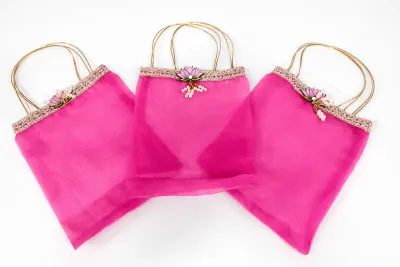
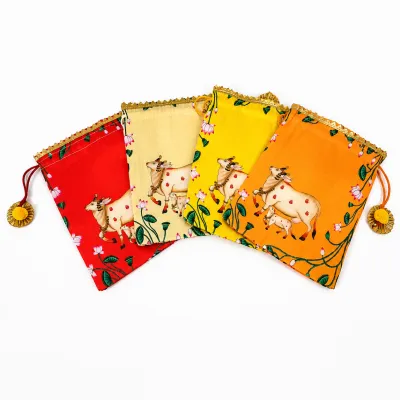
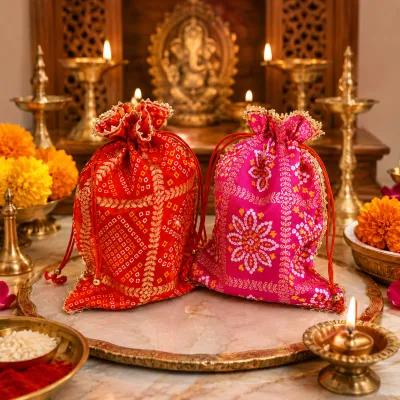
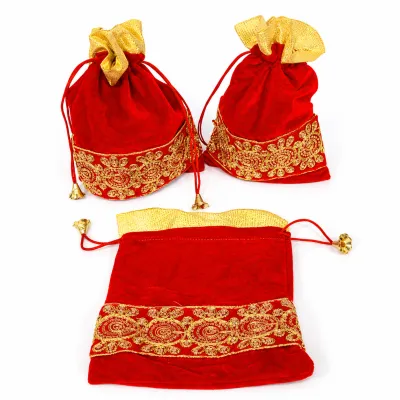
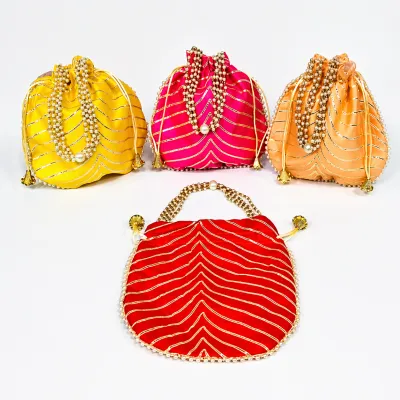
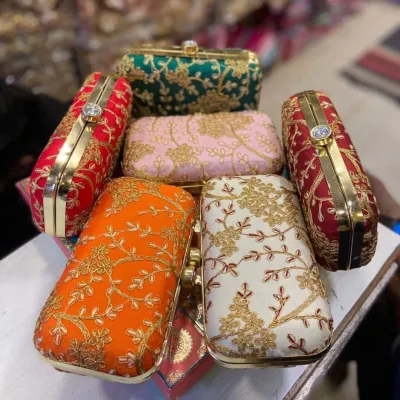
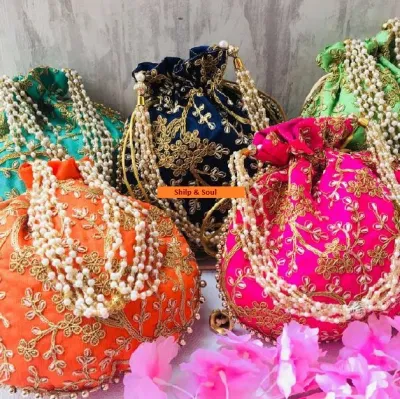
Prices are valid at publication and may change. Please refer to the product page for the latest price.
From a practical standpoint, fabric bags easily solve the challenge of wrapping awkwardly shaped, small, or highly fragile items. Wrapping a cylindrical tea tin, a round candle jar, an asymmetrical handmade ceramic piece, or delicate stationery items with flat paper often leads to crumpled corners and frustrated attempts at taping. A soft drawstring pouch conforms naturally to the contours of any object, creating a neat, organic silhouette without the need for adhesive tape or plastic ribbons.
Essential Materials and Tools for Potli Bag Wrapping
Before beginning the wrapping process, gathering the right materials ensures a smooth and efficient workflow. Having a curated selection of tools on hand allows you to customize the presentation to suit the specific item and the occasion.

- Indian Potli Bags: Keep a selection of various sizes (ranging from small 4×6 inch pouches for jewelry to larger 10×12 inch bags for books or stationery sets) and fabrics like cotton, linen, silk, or velvet.
- Protective Materials: Acid-free tissue paper is essential for wrapping delicate surfaces to prevent scratching. Soft microfiber cloths or lightweight paper wrap can provide extra cushioning for fragile glass items, such as luxury ink bottles or ceramic ornaments.
- Decorative and Functional Tools: Sharp craft shears are necessary for clean cuts on ribbons or twine. High-quality gift tags made from heavyweight cardstock, handmade cotton paper, or parchment add a personal touch.
- Embellishments: Natural jute twine, satin ribbons, metallic threads, dried botanicals (such as lavender sprigs, eucalyptus leaves, or baby's breath), and custom wax seals can be used to personalize the final look.
Step-by-Step Guide to Wrapping Gifts in Potli Bags
Achieving a polished, professional presentation requires a systematic approach. By following these sequential steps, you can ensure your gift is securely protected, perfectly balanced, and beautifully styled.
Step 1: Selecting the Right Bag Size and Material
Measuring the Gift: To determine the correct bag size, measure the length, width, and height of your gift. The bag’s width should be at least one and a half times the width of the gift to accommodate its depth. Crucially, the height of the bag must exceed the height of the gift by at least 2 to 3 inches (approximately 5 to 7.5 cm). This extra clearance ensures that when the drawstring is cinched, the fabric gathers beautifully above the gift rather than stretching tightly over it.
Matching Fabric to Weight: Select a fabric that complements both the weight of the gift and the occasion. Heavy or structured items, such as stone paperweights, glass inkwells, or thick leather-bound journals, require sturdy fabrics like canvas, heavy cotton, or thick linen to maintain their shape and prevent the bottom of the bag from sagging. Lightweight or delicate items, such as fountain pens, fine jewelry, silk scarves, or artisanal tea tins, pair beautifully with delicate silk, satin, or embroidered brocade.
Step 2: Preparing and Protecting the Gift
Wrapping in Tissue Paper: Start by wrapping the gift in a sheet of acid-free tissue paper. This step is particularly important for items with delicate finishes, such as lacquered fountain pens, polished wood, or metallic surfaces, as it prevents friction against the internal seams or embroidery threads of the bag.
Padding Sharp Edges: Inspect the gift for any sharp corners, metal clasps, or rough edges that could snag or pierce delicate fabrics like silk or velvet. Place a small fold of tissue paper or a soft fabric scrap over these sharp points to create a protective buffer.
Securing Loose Components: If you are gifting an item with a removable lid or loose components (such as a box of writing paper or a set of ink cartridges), secure them with a small strip of low-tack washi tape before placing them in the bag. This prevents the pieces from shifting or sliding apart during transit.
Step 3: Placing the Gift and Securing the Drawstring
Centering the Gift: Gently lower the prepared gift into the center of the potli bag. Arrange the item so it rests flat and balanced on the bottom base, allowing the bag to stand upright and maintain a symmetrical shape when placed on a flat surface.
Cinching the Drawstring: Grasp both drawstring cords simultaneously and pull them outward in opposite directions with steady, even tension. This technique creates uniform, neat fabric gathers around the neck of the bag rather than bunching the material to one side.
Tying the Knot: Tie a classic knot or a neat double-loop bow with the drawstring cords. Ensure the knot is firm enough to keep the bag securely closed, but avoid tying it too tightly; the recipient should be able to untie it easily without needing to cut the cords, preserving the bag for future use.
Step 4: Adding Elegant Finishing Touches
Inserting Botanicals: Slide a small botanical element, such as a sprig of dried baby’s breath, a small cinnamon stick, or a single eucalyptus leaf, directly under the drawstring knot before tightening it completely. This adds a subtle touch of natural beauty and texture.
Attaching the Gift Tag: Thread a personalized gift tag onto one of the drawstring cords. If your tag has a small metal eyelet, use a thin piece of jute twine or a metallic ring to attach it securely to the cord, ensuring the message is clearly visible.
Draping and Fluffing: Gently fluff and arrange the fabric gathers at the top of the bag. Ensure they flare out symmetrically above the drawstring line, creating a neat, crown-like finish that frames the top of the package.
Common Mistakes to Avoid for a Flawless Presentation
Choosing an Incorrect Bag Size: Using a bag that is too small strains the seams, distorts the fabric, and prevents the drawstring from closing completely, which leaves the gift exposed. Conversely, placing a tiny gift in an excessively large bag causes the fabric to collapse, making the presentation look deflated and unfinished.
Neglecting Sharp Corners: Delicate fabrics like silk, satin, and velvet are highly susceptible to snags. Failing to pad sharp edges can result in threads being pulled or the fabric tearing, which ruins the aesthetic of the bag and prevents it from being reused.
Tying Overly Complex Knots: Avoid tying tight double-knots or intricate macramé patterns that are difficult to undo. If the recipient has to struggle or resort to using scissors to open the package, the unboxing experience becomes frustrating, and the bag is likely to be ruined.
Ignoring Weight Distribution: Placing a heavy, unbalanced item in a lightweight silk bag without reinforcing the base can cause the bag to tip over or sag awkwardly. Always match the structural integrity of the fabric to the weight of the gift.
Creative Styling Ideas for Different Gifting Occasions
Weddings and Anniversaries: For formal celebrations, opt for luxurious silk, velvet, or brocade potli bags adorned with intricate gold or silver embroidery (zari work). Pair these with premium double-faced satin ribbons in coordinating jewel tones. Attach a high-quality calligraphy tag on textured cotton paper to create a sophisticated, high-end presentation suitable for milestone events.
Festive Celebrations: During festive seasons like Deepavali (Diwali) or Hari Raya, embrace bright, vibrant colors such as marigold yellow, royal blue, or deep crimson. Choose bags featuring mirror work, sequins, or traditional embroidery. Accentuate the drawstrings with small brass charms, colorful tassels, or a fresh sprig of jasmine to reflect the joy of the season.
Corporate or Minimalist Gifting: For a modern, understated aesthetic suitable for professional settings or minimalist recipients, select solid-colored, unbleached cotton, canvas, or linen potli bags. Style the package simply with natural jute twine, a minimalist kraft paper tag, and a single green leaf or a sprig of dried eucalyptus. This clean, organic look emphasizes sustainable luxury and thoughtful simplicity.
Frequently Asked Questions (FAQ)
Can I wash and reuse an Indian potli bag after receiving a gift?
Yes, most potli bags are designed for long-term reuse. Always check the manufacturer’s care label if one is attached. For delicate fabrics like silk, velvet, or embroidered brocade, hand wash the bag gently in cool water with a mild, pH-neutral detergent. Avoid wringing or twisting the fabric; instead, gently press the excess water out between two clean towels and lay the bag flat to air dry in the shade to preserve its shape and color.
What types of gifts are not suitable for potli bags?
While highly versatile, potli bags are not suitable for excessively heavy or sharp items that could tear the seams or stretch the drawstrings out of shape. They are also inappropriate for items requiring rigid structural protection, such as tiered pastries, delicate glassware without protective boxes, or items highly sensitive to temperature and pressure (like soft chocolates or wax sculptures that could deform in warm climates if left uninsulated).
Community discussion
Share your experience or ask a question. Comments are reviewed before publication.