
Gifting a bottle of wine is a timeless gesture of appreciation, celebration, or hospitality. However, handing over a bare bottle can feel transactional and unfinished. A carefully selected wine bag does more than conceal the label; it elevates the entire presentation, transforms the bottle into a curated gift, and protects the glass during transit. Mastering the art of using a wine bag involves understanding structural support, balancing aesthetics, and applying precise wrapping techniques to ensure the bottle remains secure and looks exceptionally polished when received.
To achieve a professional finish, you must treat the wine bag as an extension of the gift itself. The physical presentation sets the expectation for the wine inside, signaling the care and thought you put into the selection. By focusing on the details—from selecting the correct material to mastering the perfect tissue paper fold—you can turn a simple bottle of wine into an elegant, memorable gift suitable for any occasion.
Choosing the Right Wine Bag and Gathering Accessories
Selecting the perfect wine bag requires a careful balance of dimensions, structural integrity, and aesthetic appeal. Before purchasing a bag, you must understand the specific bottle shape you are gifting. Wine bottles are not uniform; a standard Bordeaux bottle features high, distinct shoulders and a narrow body, whereas a Burgundy or Pinot Noir bottle has sloped shoulders and a wider base. Champagne and sparkling wine bottles are wider still, featuring thick glass designed to withstand internal pressure, while Alsace or Riesling bottles are exceptionally tall and slender.
Products mentioned in this guide
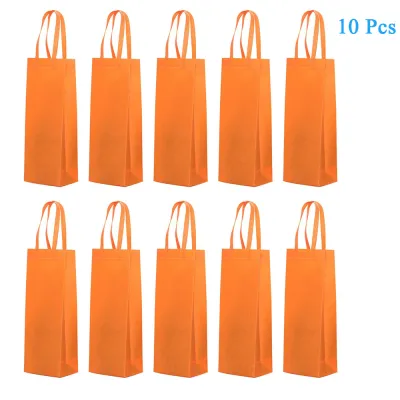
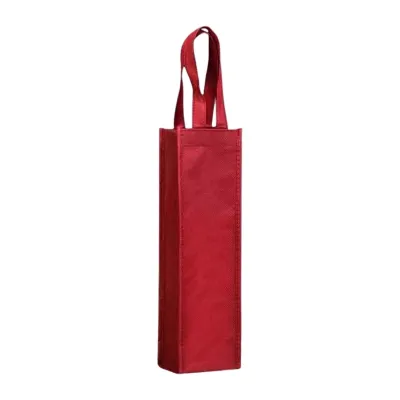
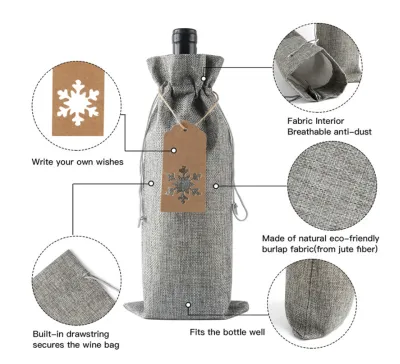
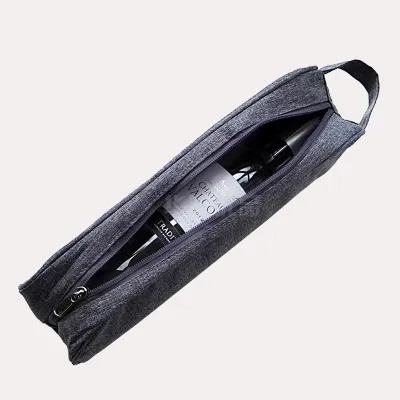
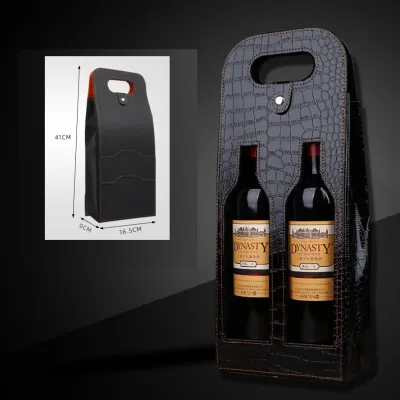
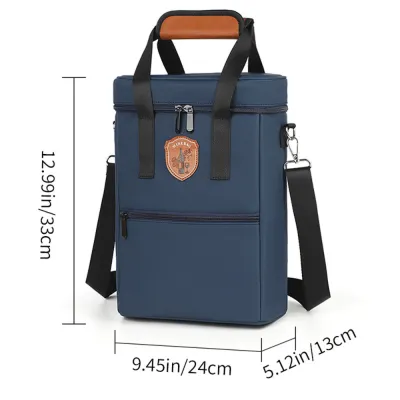
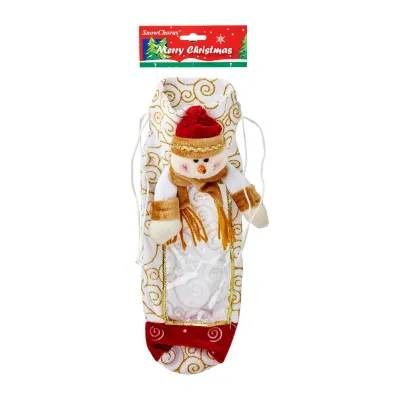
Prices are valid at publication and may change. Please refer to the product page for the latest price.
To ensure a proper fit, measure your bottle against the bag’s dimensions. A standard single-bottle wine bag typically measures approximately 10 cm in width, 10 cm in depth, and 35 cm in height. This size comfortably accommodates most Bordeaux and Burgundy bottles, leaving about 1 to 2 cm of clearance around the widest part of the glass to prevent friction. If you are gifting a 1.5-litre magnum bottle, you will need a specialized larger format bag, which usually measures at least 13 x 13 x 40 cm and features a heavily reinforced base to support the increased weight.
The material of the wine bag dictates the tone of your gift and must align with the occasion. Heavy-duty kraft paper (ideally 150 gsm or higher) offers clean, structured lines and is excellent for casual dinners, housewarmings, or eco-friendly presentations. Fabric bags made of cotton or canvas are highly durable and reusable, making them perfect for relaxed gatherings or outdoor picnics. Textured jute or burlap bags provide an organic, rustic charm that pairs beautifully with natural, biodynamic, or artisanal wines. For formal corporate events, milestone anniversaries, or high-end vintages, premium materials like velvet or satin offer a deep sheen and a luxurious tactile experience. If you are transporting chilled white wine, rosé, or champagne, neoprene is the premier choice, as its thermal insulation properties protect the wine from warming up during transit.
Before beginning the wrapping process, gather all necessary accessories to streamline your workflow. You will need high-quality, acid-free tissue paper (typically 50 x 70 cm sheets) in colors that complement both the bag and the wine label. Crinkle-cut shredded paper is excellent for adding volume and cushioning at the base of the bag. For the external decorations, prepare double-faced satin ribbon, grosgrain ribbon, or natural jute twine, along with sturdy cardstock gift tags and a fine-tip pen for writing your message. If you anticipate a long commute or multiple stops, keep a corrugated paper protective sleeve on hand to shield the bottle from external impacts.
Step-by-Step Guide: Placing and Securing the Wine Bottle
Step 1: Inspecting and Cleaning the Bottle
Begin by placing the wine bottle on a clean, flat surface under direct light. Examine the glass for any dust, smudges, or sticky residue left behind by price tags or retail stickers. Wipe the entire bottle down thoroughly using a dry microfiber cloth, paying close attention to the neck and the base. If there is stubborn adhesive residue, apply a tiny drop of rubbing alcohol to a cloth and gently rub the spot, taking extreme care not to let the alcohol touch or discolor the paper label. Inspect the paper label for any lifting or peeling corners; if you find any, use a clean, dry fingertip to press them firmly back down against the glass. Finally, verify that the capsule covering the cork or screw cap is perfectly clean, uncreased, and secure.

Step 2: Creating a Protective Base
Never place a heavy glass bottle directly onto the flat, unyielding bottom of a paper wine bag. Without a cushion, the glass can clink loudly when set down, and the sudden impact risks splitting the paper seams or breaking the glue holding the base together. To prevent this, take a single sheet of tissue paper and crumple it loosely into a springy, resilient ball, or grab a generous handful of crinkle-cut shredded paper. Place this cushioning material at the very bottom of the bag, pressing it down gently so it forms an even, shock-absorbing layer about 2 to 3 cm deep. This simple step provides vital structural support and dampens vibrations during transport.
Step 3: Inserting the Bottle
To lower the bottle into the bag without smudging the glass or tearing the paper, you must use a secure two-handed grip. Place your dominant hand firmly around the neck of the bottle, and cup the base of the bottle with your non-dominant hand. Hold the wine bag open with your fingers, then slowly and vertically lower the bottle into the center of the bag. Avoid dropping the bottle the last few centimeters; instead, guide it all the way down until you feel it rest completely on the protective cushion you created in the previous step. Ensure the bottle stands perfectly upright and does not lean heavily against the side walls of the bag.
Step 4: Wrapping the Neck and Collar
To conceal the utilitarian closure of the bottle and create a visually stunning opening, use the “tissue bloom” technique. Lay two sheets of coordinating tissue paper flat on a table, rotating the top sheet 45 degrees to create a multi-pointed star pattern. Grasp the sheets from the exact center, pull upward to form a loose cone, and gently tuck the pointed bottom ends down into the bag around the neck of the bottle. Allow the ruffled, decorative edges of the tissue paper to flare outward from the top of the bag. This technique adds elegant volume, hides the foil capsule, and prevents the bottle neck from rattling against the bag’s handles.
Step 5: Positioning for Display
If your wine bag features a clear acetate window or a decorative die-cut opening, you must align the bottle’s front label so it faces directly forward. Peer through the window and gently rotate the bottle by its neck until the label is perfectly centered and level. Even if you are using a solid, opaque bag, taking the time to align the front label with the front face of the bag ensures a professional and thoughtful presentation when the recipient peeks inside. Double-check that the tissue paper ruffles do not obscure the label if the bag has a window, tucking in any stray edges as needed.
Adding Finishing Touches for an Elegant Presentation
Securing the top of the wine bag properly preserves the structural integrity of the packaging and keeps the bottle from shifting. If your bag features built-in rope or ribbon handles, pull them upward slowly and evenly to gather the mouth of the bag. For paper bags that utilize a drawstring closure, pull the cords gently from both sides simultaneously, ensuring you do not pull so hard that you rip the eyelets or crease the top collar of the bag. If the bag is made of fabric, you can tie a simple, neat knot with the drawstrings to keep the top securely gathered.
Embellishing the bag with ribbons adds a layer of sophistication that distinguishes a basic gift from an extraordinary one. Select a high-quality ribbon, such as a 2.5 cm wide double-faced satin or a textured grosgrain, in a color that matches the accents on the wine label. Wrap the ribbon around the handles of the bag or directly around the exposed neck of the bottle if the bag design leaves the neck visible. Tie a classic, symmetrical bow, ensuring the loops are even and the tails are cut diagonally or in a clean V-shape to prevent fraying. For a more rustic or masculine presentation, swap the satin ribbon for natural jute twine, wrapping it around the bag neck three to four times before securing it with a neat flat knot.
Attaching a personalized gift tag is essential for conveying your sentiments and identifying the sender. Thread the string of your gift tag through the ribbon knot or around one of the handle attachments before completing your bow. Position the tag so it rests flat against the front face of the bag, ensuring it is easily visible without swinging wildly. Keep the attachment string relatively short; a long, loose string allows the hard edges of the tag to flap around during transport, which can scuff delicate paper bags or scratch the glass if the bottle neck is exposed.
To elevate the gifting experience even further, consider tucking a small, lightweight complementary item into the bag or tying it directly to the ribbon. A sleek, vacuum-seal metallic wine stopper, a professional double-hinged waiter’s friend corkscrew, or a set of elegant wine drip collars make excellent functional additions. Alternatively, you can tie a beautifully printed tasting card to the handle, detailing the wine’s origin, tasting notes, and recommended food pairings. If you wish to include gourmet treats, ensure they are compact and well-packaged, such as a small box of artisan chocolates, and place them carefully alongside the neck of the bottle so they do not crush the tissue paper or overload the bag.
Common Mistakes to Avoid When Gifting Wine in a Bag
One of the most frequent errors is poor size matching between the bottle and the bag. Using a bag that is too small forces the seams to stretch, which can cause the handles to tear mid-transit and drop the bottle. Conversely, placing a standard bottle in an oversized bag allows the bottle to slide around freely, shifting the center of gravity and making the bag highly unstable to carry. Always verify the bottle’s shape and weight capacity against the bag’s specifications before assembly.
Neglecting the cleanliness of the bottle is a subtle mistake that can quickly ruin the unboxing experience. Even the most luxurious velvet or linen bag cannot compensate for a dusty, sticky, or fingerprint-smudged bottle. When the recipient pulls the bottle out, any residue on the glass will immediately make the gift feel rushed or neglected. Always perform a thorough wipe-down with a microfiber cloth as your very first step.
Overloading the handles of a single-bottle bag with heavy accessories is another structural hazard. The handles on paper and thin fabric wine bags are designed to support the weight of a standard 750ml bottle (approximately 1.2 to 1.4 kg) and very little else. Hanging heavy metal bottle openers, large boxes of chocolates, or multiple heavy gift cards from the handles can cause the adhesive patches or metal eyelets to pull free from the bag’s rim, resulting in a shattered bottle. Keep any additional gifts lightweight and secure them close to the bag’s center of mass.
Finally, you must never ignore the temperature and transport conditions of your environment. Wine is a delicate, perishable product that is highly sensitive to heat. In tropical climates like Singapore’s, leaving a packaged wine bottle in a car trunk or inside a parked vehicle under the sun can ruin the liquid within minutes. Extreme heat causes the wine to expand rapidly, which can push the cork out, cause the bottle to leak, ruin the paper labels, and completely destroy the wine bag. Always keep the wine in a cool, air-conditioned environment until the exact moment you depart, and transport the gift inside the passenger cabin of your vehicle rather than the trunk.
Frequently Asked Questions (FAQ)
Can I use a paper wine bag for a chilled bottle?
Using a standard paper wine bag for a chilled bottle is highly risky and generally not recommended. When a cold bottle of white wine, rosé, or champagne is exposed to warm, humid air, condensation will rapidly form on the surface of the glass. This moisture will quickly soak into the fibers of a paper bag, softening the material and weakening the adhesive holding the seams and the base together, which can cause the bottom of the bag to drop out entirely under the weight of the bottle. If you need to gift a chilled bottle, you should opt for a water-resistant material like neoprene, canvas, or insulated jute. Alternatively, you can wrap the chilled bottle securely in a protective plastic sleeve or a dry linen cloth to absorb the condensation before placing it inside a heavy-duty, laminated paper bag.
How do I carry a wine bag safely without breaking the bottle?
To transport a wine bag safely, you should never rely solely on the handles, regardless of how sturdy they appear. Always place one hand firmly underneath the reinforced base of the bag to support the weight of the glass bottle from below, using your other hand to hold the handles. Keep the bag upright and hold it close to your body while walking to prevent it from swinging back and forth. Swinging increases the risk of the bottle colliding with walls, door frames, or furniture, and places unnecessary dynamic stress on the bag’s handles and seams. If you are traveling by car, place the bag on the floor of the passenger cabin where it cannot tip over, rather than on a seat or in the trunk.

Community discussion
Share your experience or ask a question. Comments are reviewed before publication.