
Using magnetic tape to organize your workspace is an excellent way to achieve a clean, minimalist desk setup. By mounting frequently used stationery, tools, and cables, you keep your work surface clear while keeping essential items within arm’s reach. However, applying strong adhesives directly to expensive furniture can raise concerns about permanent damage, sticky residue, or peeled finishes.
To apply magnetic tape to your desk without causing damage, you must match the adhesive backing to a compatible, sealed surface, prepare the area thoroughly to ensure a clean bond, and use controlled heat during the removal process. Taking these precautions ensures your desk remains pristine, whether you are working on solid wood, glass, or laminate. Understanding the physical limits of both the adhesive and the magnetic pull will help you design a highly functional, damage-free organization system.
Assessing Your Desk Surface and Tape Compatibility
Before peeling the backing off any adhesive tape, you must evaluate the material and finish of your desk. Non-porous, stable surfaces are the safest candidates for adhesive mounting. Materials such as tempered glass, sealed metal, high-pressure laminate, and solid wood with a fully cured polyurethane sealant allow pressure-sensitive adhesives to bond securely and release cleanly when properly removed.
Products mentioned in this guide
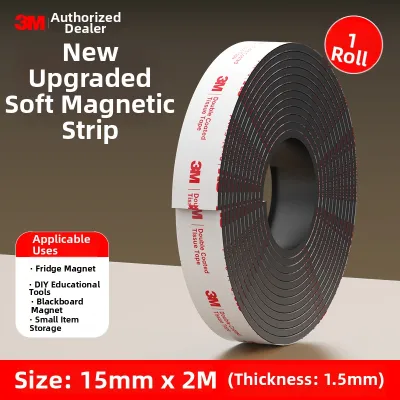
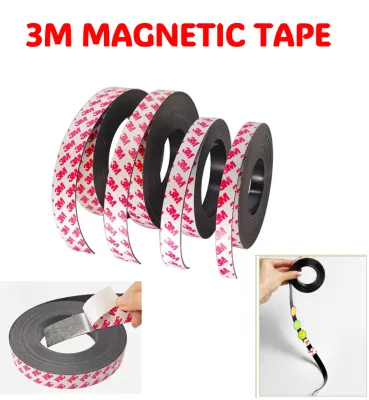
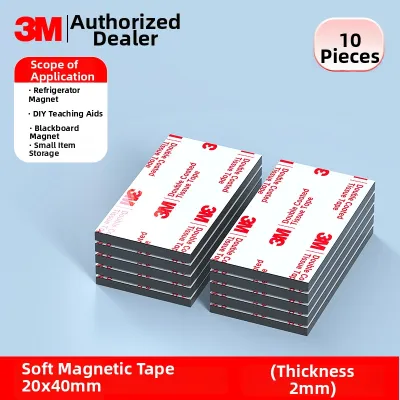
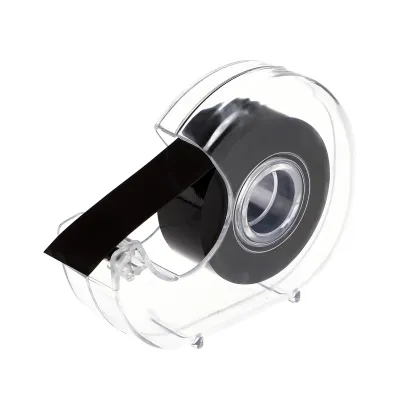
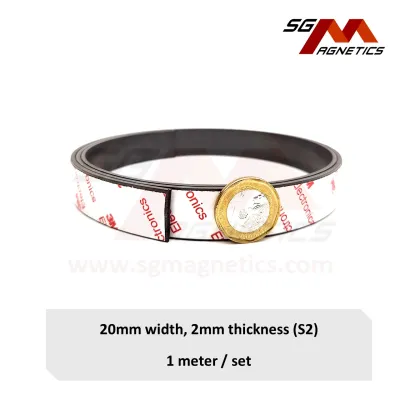
Prices are valid at publication and may change. Please refer to the product page for the latest price.
In contrast, high-risk surfaces require extreme caution or complete avoidance. Unsealed or oil-finished wood, delicate paper veneers, and freshly painted surfaces are highly susceptible to damage. The adhesive can penetrate the pores of unsealed wood or bond too aggressively to thin veneers, causing the surface layer to tear or peel away when you attempt to remove the tape. If your desk features these delicate finishes, direct adhesive application is not recommended.
Weight compatibility is another critical factor to analyze before installation. Magnetic tape relies on two distinct bonds: the chemical adhesive holding the tape to the desk, and the magnetic force holding your accessory to the tape. Check the manufacturer’s packaging for the specific weight rating of your tape. Exceeding these limits will cause the adhesive to creep and slide, leaving a messy trail of residue down your desk surface.
If you are working in a rented space or have a highly sensitive desk finish, you can establish a protective intermediary barrier. Applying a strip of low-tack painter’s tape or a clear screen protector film to the desk surface first provides a removable shield. You can then apply the stronger magnetic tape directly onto this protective layer, ensuring the aggressive adhesive never makes direct contact with your desk’s actual finish.
Preparing the Surface and Accessories
Proper surface preparation is the single most important step in ensuring a long-lasting bond and preventing future residue issues. Dust, skin oils, and environmental moisture will compromise the adhesive, leading to premature peeling. In humid climates, such as in Singapore, moisture can easily become trapped beneath the tape, weakening the chemical bond over time.

To clean the target area, use a mild, non-abrasive cleaning solution. A microfiber cloth dampened with a mixture of water and a drop of mild dish soap works well for most surfaces. If your desk finish is highly chemical-resistant, a quick wipe with diluted isopropyl alcohol can effectively strip away stubborn oils. Always allow the surface to dry completely before applying the tape, as any remaining moisture will prevent the adhesive from curing correctly.
Next, inspect the accessories you plan to mount. The base of each tool or container must be flat, smooth, and clean to maximize the contact area with the magnetic strip. Curved, heavily textured, or flexible plastic bases do not provide enough surface contact, which can cause the accessory to wobble or fall. Wipe the mounting surface of the accessory clean using the same method applied to the desk.
Before removing the adhesive backing, map out your layout using temporary markers. You can use a pencil to lightly mark the corners or place small pieces of low-tack masking tape to outline the placement. Planning your layout beforehand prevents the need to reposition the tape. Once adhesive tape is peeled up and reapplied, its bonding strength drops significantly, making it highly prone to edge lifting.
Step-by-Step Application for a Secure Hold
To begin the application, use a pair of sharp scissors or a utility knife to cut the magnetic tape to the exact dimensions of your accessory’s base. Avoid letting the tape overhang the edges of the object or the desk surface. Overhanging tape exposes sticky adhesive to the air, which quickly collects dust, hair, and lint, eventually initiating a slow peel that ruins the clean look of your setup.
Once cut, peel the protective backing paper from the tape, taking care not to touch the exposed adhesive with your fingers. Align the tape with your pre-marked layout lines and press it firmly onto the surface. Apply even, heavy pressure across the entire length of the strip for at least thirty seconds. This pressure-sensitive adhesive requires physical force to activate the chemical bond with the desk surface.
After pressing the tape down, allow the adhesive to cure completely before subjecting it to any weight or magnetic pull. Most high-quality pressure-sensitive adhesives require twenty-four hours to reach their maximum bonding strength. Introducing a magnetic load too early can pull the tape away from the desk before the chemical bond has fully matured, leading to premature failure.
To complete the connection, you must pair the magnetic tape on your desk with a compatible surface on your accessory. If the accessory is made of plastic, wood, or non-magnetic aluminum, you will need to apply a corresponding strip of magnetic tape or a thin, adhesive-backed steel plate to its base. When using two magnetic strips, verify their polarity before sticking them down to ensure they attract rather than repel each other.
Safe Removal Techniques to Protect Desk Finishes
When it is time to reconfigure your workspace or move to a new desk, removing the magnetic tape safely requires patience. Never attempt to rip or yank the tape straight up off the surface. Doing so creates intense vertical tension that can easily splinter wood, crack glass, or tear away laminate finishes.
To safely loosen the bond, apply gentle, indirect heat to the tape using a household hair dryer on a low or medium setting. Wave the hair dryer back and forth over the tape from a distance of about fifteen centimeters for a few seconds. The heat will soften the adhesive backing, making it pliable and significantly reducing its grip on the desk surface.
Once the adhesive is warm, begin peeling the tape from one corner. Pull the tape back slowly at a very low, parallel angle, keeping it almost flat against the desk surface as you peel. This technique uses shear force rather than vertical tension, which dramatically minimizes the stress placed on the underlying desk finish. If you feel strong resistance, stop and apply a bit more heat before continuing.
After the tape is removed, you may find a small amount of sticky residue left behind. To clean this up safely, apply a mild, desk-safe solvent such as eucalyptus oil, a citrus-based adhesive remover, or warm soapy water to a microfiber cloth. Rub the residue gently in a circular motion, avoiding abrasive scrubbing pads that can scratch the finish. Always test the solvent on a small, hidden area of your desk first to ensure it does not cause discoloration.
Planning Your Magnetic Desk Setup
Designing a successful magnetic desk setup requires selecting the right tools and organizing them logically. Lightweight, frequently used stationery items are the best candidates for magnetic mounting. Items such as metal rulers, scissors, paperclip holders, keys, and lightweight plastic pen cups can be easily secured and accessed throughout the workday.
Conversely, you should exclude heavy, fragile, or high-value items from your magnetic organization plan. Ceramic mugs, heavy staplers, tablet computers, and glass containers carry too much risk. If the magnetic bond is accidentally bumped or fails due to temperature fluctuations, these items can fall, potentially breaking themselves, damaging your desk, or injuring your feet.
If you discover that your desk surface is simply too delicate for any direct adhesive application, you can still enjoy the benefits of a magnetic workspace. Consider mounting a steel board or a metal pegboard to the wall behind your desk, or using a clamp-on desk organizer. This alternative approach keeps your primary work surface completely untouched while providing a robust, modular area for all your magnetic accessories.
Frequently Asked Questions (FAQ)
Can I use magnetic tape on a glass desk?
Yes, tempered glass is an excellent, non-porous surface that bonds exceptionally well with adhesive-backed magnetic tape. The tape will hold securely and can be removed cleanly using a glass cleaner and a plastic scraper to lift the softened adhesive. However, keep in mind that the adhesive side of the tape will be visible through transparent glass, which may affect the clean aesthetic of your workspace from certain angles.
What should I do if the magnetic hold is too weak?
If your accessories are sliding or falling, first check that both contact surfaces are completely flat, as even a tiny gap can drastically reduce magnetic pull. You can also increase the surface area by applying wider or longer strips of tape to both the desk and the accessory. Finally, ensure you are pairing the magnetic tape with a highly magnetic material, such as a dedicated steel plate, rather than a low-grade alloy or a repelling magnetic pole.
Is it safe to use magnetic tape near laptops or external drives?
Standard flexible magnetic tape has a very shallow, localized magnetic field that is generally safe to use around modern laptops, solid-state drives (SSDs), and computer monitors. However, you should avoid placing magnetic strips directly against older mechanical hard drives, credit cards with magnetic strips, or sensitive internal sensors in smartphones, as close contact with magnetic fields can cause interference or data loss.
Community discussion
Share your experience or ask a question. Comments are reviewed before publication.