
Tying a beautiful raffia string bow is an art that elevates any gift from simple to stunning. Unlike synthetic satin or grosgrain ribbons, raffia offers a unique, textured look that brings a touch of organic warmth to your gift wrapping. Whether you are preparing a gift for a birthday, a festive holiday, or a housewarming, mastering this technique ensures your packages look professionally styled.
Working with raffia requires a slightly different approach than working with traditional fabric ribbons. Because raffia is made from natural palm fibers or textured synthetic materials, it has a distinct stiffness and grip. This guide will walk you through the preparation, the step-by-step tying process, alternative decorative finishes, and practical troubleshooting tips to help you achieve a flawless presentation every time.
Preparing Your Raffia String and Wrapped Gifts
Before you begin tying, proper preparation of your materials is essential for a clean and secure finish. Start by estimating the correct length of raffia string needed for your package. A reliable method is to wrap the string loosely around the length and width of your gift box, then add an extra 40 to 50 centimeters to accommodate the loops and tails of the bow. If you prefer a fuller, multi-strand look, measure out three or four equal lengths of string to tie simultaneously.
Products mentioned in this guide
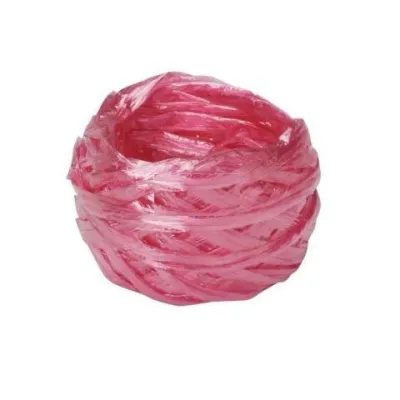
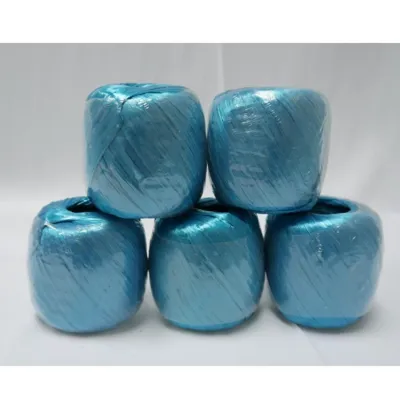
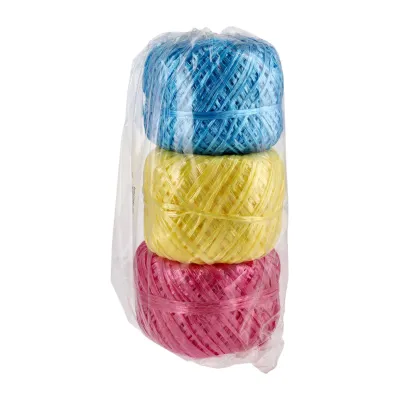
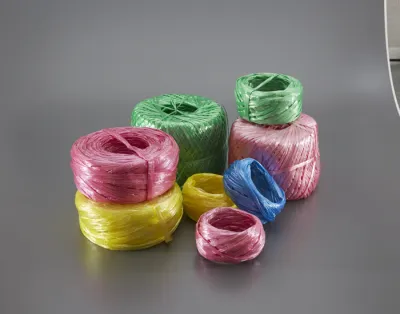
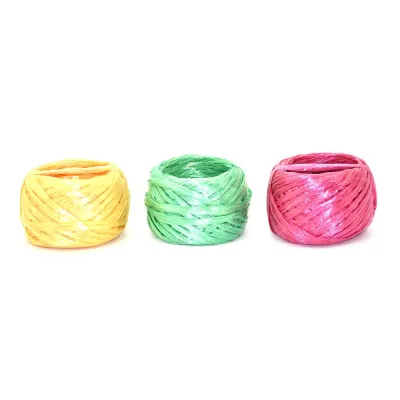
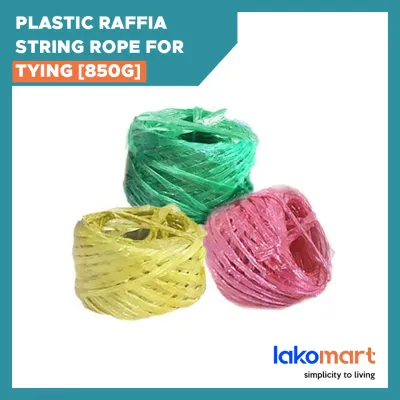
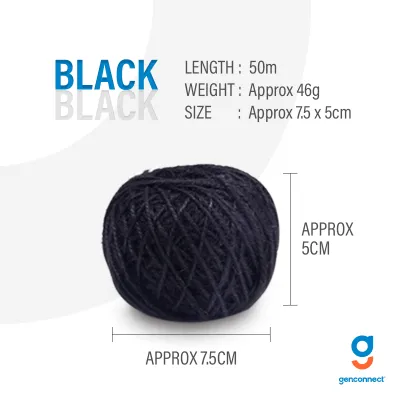
Prices are valid at publication and may change. Please refer to the product page for the latest price.
Next, inspect the wrapped gift itself to ensure the foundation is secure. The wrapping paper should be pulled taut and firmly taped down, especially at the corners and seams. Because raffia string is highly textured, it can catch on loose folds of paper, causing unsightly bunching or tearing. Ensuring the paper is flat and secure will allow the string to sit smoothly against the box without distorting the shape of your package.
Finally, gather the necessary tools to make the process seamless. A pair of exceptionally sharp scissors is crucial, as dull blades will shred the fibrous ends of the raffia rather than cutting them cleanly. You may also want to prepare any optional embellishments you plan to incorporate, such as dried botanicals, gift tags, or small decorative ornaments. Having these items within arm’s reach ensures you can secure them into the knot without losing your grip on the tensioned string.
Step-by-Step Guide to Tying a Classic Raffia Bow
To tie a classic, balanced raffia bow, begin by positioning the measured string. Lay the raffia flat on your workspace and place your wrapped gift box face down on top of it, centering the box over the middle of the string. Bring both ends of the string up over the sides of the box, crossing them over each other in the center of the top surface. Pull the ends firmly to establish a snug base, ensuring the string does not slip or lose tension.

Next, create the first loop of your bow. Take one side of the string and fold it back on itself to form a neat loop, holding the base of this loop securely between your thumb and forefinger. With your other hand, take the remaining free end of the string and wrap it completely around the base of the first loop. This wrapping motion creates the central knot that will hold the entire bow together.
As you wrap the string around, you will notice a small opening form at the base of the knot. Push a portion of the free strand through this opening to create your second loop. Be careful not to pull the entire end of the string through, as this will result in a simple knot rather than a bow. Once the second loop is pushed through, grasp both loops firmly.
To secure the bow, pull both loops outward in opposite directions. Apply steady, even pressure rather than a sudden, jerky motion, as natural raffia can snap under abrupt tension. Once the knot is tight, you can adjust the size of the loops and the length of the tails by gently pulling on individual strands. Finish by using your sharp scissors to trim the ends of the tails at a clean 45-degree angle, which prevents fraying and adds a polished, professional touch.
Alternative Finishes and Decorative Knots
If a classic bow does not suit the style of your gift, there are several alternative finishes that offer a different aesthetic. For a minimalist or modern presentation, consider tying a simple, rustic square knot. To do this, cross the left strand over the right strand and tuck it under, then cross the right strand over the left and tuck it under. Pull the ends tight and trim them close to the knot, leaving short, clean tails that highlight the raw texture of the raffia.
For larger gifts or a more dramatic look, a multi-loop or pom-pom style bow is an excellent choice. To create this, wrap a long strand of raffia around your hand eight to ten times to form a continuous coil. Slide the coil off your hand, keeping the loops together, and tie a separate piece of raffia tightly around the exact center of the bundle. Use your scissors to cut open the looped ends, then gently fluff and separate the individual strands to create a full, textured pom-pom.
Incorporating small natural elements into your knot is another wonderful way to customize your gift wrapping. Before pulling your final knot tight, slide a dried citrus slice, a cinnamon stick, or a sprig of fresh eucalyptus onto one of the strands. Once secured, these botanicals sit beautifully nestled beneath the bow, adding visual interest, texture, and a subtle, pleasant aroma to your presentation.
Troubleshooting Common Raffia String Issues
Working with raffia can sometimes present unique challenges due to the material’s natural variations. One common issue is the fraying or splitting of the ends as you tie. To manage this, always ensure you are using sharp scissors for every cut. If you notice the ends starting to split during the tying process, you can apply a tiny dot of clear craft glue to the very tip of the strand to bind the fibers together and prevent further unraveling.
Another frequent problem is a loose or slipping knot, which often happens because synthetic raffia can be quite slick. To fix this, try using a double-knot base before forming your loops. Instead of crossing the strands over once at the beginning, wrap them around each other twice (often called a surgeon’s knot). This extra wrap creates friction, holding the tension in place while you work on forming the loops of your bow.
Finally, natural raffia can sometimes become stiff, dry, or brittle, especially when stored in air-conditioned rooms or dry climates. If your string feels too stiff to tie easily, you can gently soften it by running a slightly damp cloth along the length of the strand. The subtle moisture restores flexibility to the palm fibers, making them much easier to manipulate and significantly reducing the risk of the string snapping while you pull the knot tight.
Frequently Asked Questions (FAQ)
Can you curl raffia string for a decorative effect?
Yes, but the technique depends entirely on whether you are using natural or synthetic raffia. Synthetic raffia, which is typically made from polypropylene, can be curled using the classic ribbon-curling method. Simply press the strand gently between your thumb and the dull edge of a scissor blade, then pull the scissors quickly along the length of the string to create springy curls. Natural raffia, however, is made from organic palm leaves and will split, shred, or break under this type of friction. If you want to add texture to natural raffia, try braiding several strands together or gently crinkling them with your fingers instead of using scissors.
How should you store leftover raffia string?
To maintain the flexibility and color of your leftover raffia string, store it in a cool, dry place away from direct sunlight. Prolonged exposure to sunlight can fade dyed raffia and dry out natural fibers, making them brittle and prone to snapping. Avoid folding the string tightly, as this can create permanent creases that are difficult to smooth out when you are ready to use it again. Instead, wind the leftover raffia loosely around a piece of flat cardboard or store it in a breathable cotton bag to keep the strands organized, tangle-free, and pliable for your next gift-wrapping project.
Community discussion
Share your experience or ask a question. Comments are reviewed before publication.