
Verifying the authenticity of your lngshot K-pop merchandise requires a systematic, multi-point inspection of its physical characteristics, security labels, and purchasing channels. While counterfeiters have become increasingly sophisticated, they often fail to replicate the precise manufacturing standards and security measures used by official production facilities. By carefully examining the packaging, checking for official holographic stickers, and verifying your seller’s credentials, you can confidently determine whether your collectible is genuine or a counterfeit.
Inspecting Packaging and Print Quality
Official lngshot merchandise is produced under strict quality control standards, which are immediately apparent in the packaging. Genuine items typically feature robust cardboard or thick, high-grade plastic packaging that maintains its structural integrity during transit. Examine the cutting edges of the packaging; authentic boxes have clean, precise machine cuts and perfectly aligned folds, whereas counterfeit packaging often displays rough, frayed edges or uneven glue lines.
Print quality is another critical indicator of authenticity. Compare the physical item with official promotional images provided on the brand’s verified channels. Authentic merchandise features high color saturation, sharp text, and crisp logo alignments. Counterfeits frequently suffer from color bleeding, blurred text, or slight color shifts due to low-resolution scanning and printing processes. Pay close attention to the typography; counterfeiters often use incorrect font weights or substitute similar-looking fonts, and spelling errors on the back of packaging or within instruction inserts are immediate red flags.
Products mentioned in this guide
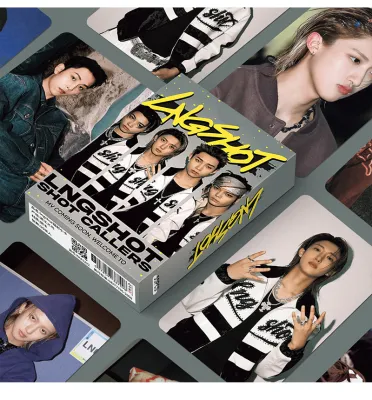


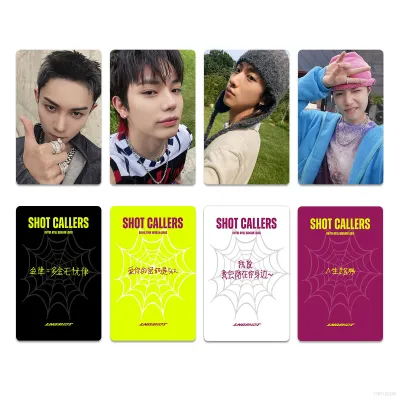
Prices are valid at publication and may change. Please refer to the product page for the latest price.
Checking Holographic Stickers and Security Labels
Most official K-pop collectibles, including those from lngshot, utilize specialized anti-counterfeiting measures. Look for official holographic stickers or security labels, which are typically placed on the back or bottom of the product packaging. These stickers are designed with complex optical patterns that shift, change color, or reveal hidden logos when tilted under a direct light source.

To verify these labels, observe how the hologram reacts to different lighting conditions. Genuine stickers display smooth, distinct transitions and sharp, multi-layered visual depth. In contrast, counterfeit stickers are often flat, dull, or show static metallic patterns that do not change dynamically when rotated. While some brands offer digital verification systems where you can scan a QR code or enter a serial number, you should always confirm the current, official verification methods through the brand’s latest announcements, as security technologies are updated regularly to combat counterfeiters.
Evaluating Material Quality and Craftsmanship
The physical build quality of non-paper merchandise offers clear clues regarding its origin. For acrylic stands and keychains, check the edges and surfaces. Authentic acrylic items feature smooth, flame-polished edges, high transparency, and a protective film on one or both sides. The printed image should be sharp and bonded securely to the acrylic; if you observe peeling, bubbles, or a sticky residue, the item is likely a counterfeit.
For paper-based collectibles like photocards, verify the paper thickness, smoothness, and edge cuts. Genuine photocards have a consistent weight and a professional matte or glossy coating. You can test the material’s water resistance and ink stability by observing how the surface handles light handling; counterfeit cards often use cheap paper stock that absorbs moisture quickly, causing the ink to bleed or the edges to peel when subjected to a simple spot test.
For fabric-based merchandise, such as apparel or plush accessories, evaluate the stitching density and embroidery clarity. Genuine items feature tight, even stitching with no loose threads or puckering along the seams. The embroidery should be dense and accurately represent the character or logo without gaps. For metal accessories like pins or keyrings, assess the weight and finish. Authentic metal pins have a substantial feel, even enamel filling without air bubbles, and sturdy, secure backings or clasps that do not bend easily under light pressure.
Verifying Official Retailers and Authorized Channels
Securing your merchandise from authorized sources is the most effective way to avoid counterfeit products. Before making a purchase, cross-reference the seller with the authorized distributor list published on the official lngshot website or their verified social media accounts. In Singapore, purchasing directly from established physical retailers specializing in official K-pop merchandise or official flagship stores on major ecommerce platforms significantly reduces your risk.
When shopping on online marketplaces, watch out for common red flags. Be highly skeptical of listings offering limited-edition items at unusually low prices, such as a rare collectible priced at S$10 when its market value is known to be much higher. High stock levels for items that are officially sold out globally are another major warning sign. Additionally, review the seller’s profile for verifiable business information, clear return policies, and authentic customer feedback, avoiding shops that use generic stock photos and have no history of selling genuine goods.
What to Do If You Suspect a Counterfeit
If you receive an item and suspect it is counterfeit, immediate documentation is essential. Record a continuous, unedited video of the unboxing process, and take high-resolution, well-lit photos of any suspicious details, such as blurred printing, misaligned labels, or poor craftsmanship. This visual evidence is crucial for supporting your claim.
Next, initiate a dispute or refund request through the buyer protection program of the ecommerce platform where you made the purchase. Provide your documented evidence clearly and objectively. Finally, report the suspicious seller to the platform’s administration to help protect other buyers, and consider reporting the incident to local consumer protection agencies, such as the Consumers Association of Singapore (CASE), if the seller refuses to cooperate and is operating locally.
Frequently Asked Questions (FAQ)
Can I authenticate lngshot merchandise using a third-party app?
While several mobile applications claim to scan and verify the authenticity of collectible merchandise, they should not be relied upon as your sole verification method. Third-party apps often lack direct access to the brand’s proprietary security databases and may fail to recognize updated holographic patterns or serial number sequences. For the most reliable results, prioritize the official verification channels recommended by the brand and keep your receipts from authorized retail partners.
Are slightly misaligned prints always a sign of a fake?
Not necessarily, as minor manufacturing tolerances can occur even in genuine, mass-produced items. Slight shifts in print alignment or minor cutting variances do not automatically mean an item is counterfeit. However, severe misalignment, noticeable color bleeding, blurred text, or incorrect fonts are strong indicators of a counterfeit. When in doubt, combine your print inspection with other checks, such as evaluating the holographic sticker and verifying the seller’s authorization status.

Community discussion
Share your experience or ask a question. Comments are reviewed before publication.