
Identifying genuine Miniteen merchandise requires a sharp eye, especially when navigating the bustling secondhand markets and online platforms of Singapore. As the popularity of this idol brand continues to soar, the presence of unauthorized replicas has grown increasingly sophisticated. To protect your collection and ensure your money is well spent, you must know exactly what physical, visual, and transactional details to verify before finalizing any purchase.
Authenticity verification is not about relying on a single magical marker; rather, it is a systematic process of cross-referencing packaging print quality, material weight, and seller credibility. Genuine items exhibit a level of manufacturing precision that counterfeiters rarely replicate due to cost constraints. By mastering a few key inspection techniques, you can confidently build your collection of authentic stationery, photocard binders, and official goods.
Why Counterfeit Idol Merchandise Circulates Online
The global demand for idol merchandise has created a highly lucrative secondary market, particularly for limited-edition items and exclusive product drops. When popular stationery sets, collectible photocard holders, or special event items sell out instantly on official channels, fans naturally turn to alternative online spaces. This intense demand, combined with the emotional drive to complete a collection, creates a prime environment for counterfeiters to introduce unauthorized reproductions.
Products mentioned in this guide
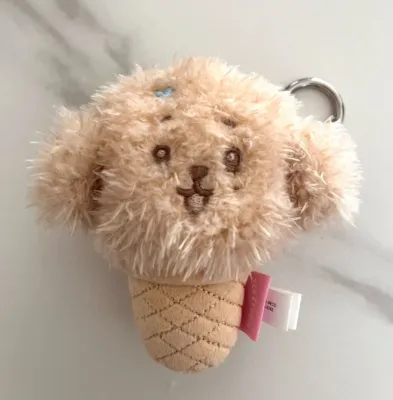
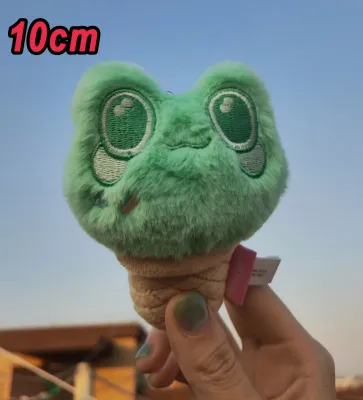
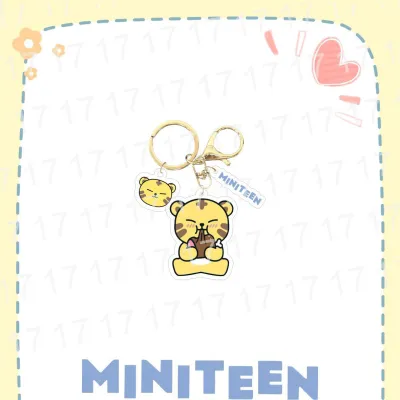
![[SEVENTEEN] Miniteen : Acrylic Keyring LD](https://img.lazcdn.com/g/p/d0e3a603e09a447f5e14185bff6528d9.jpg_400x400q80.jpg_.webp)
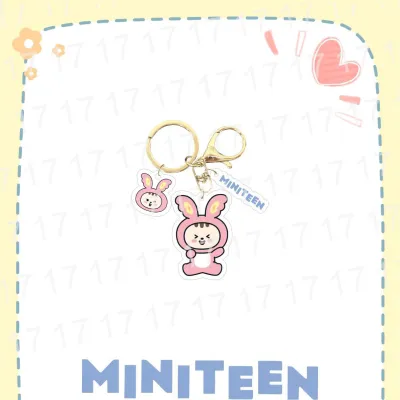
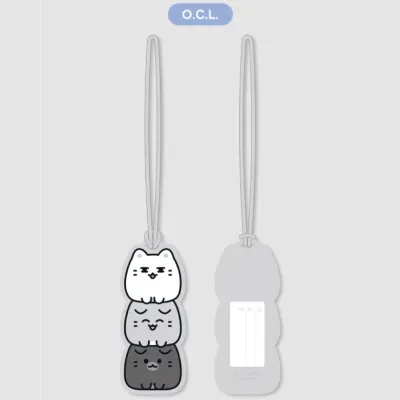
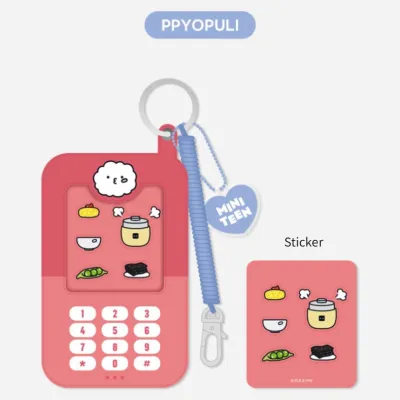
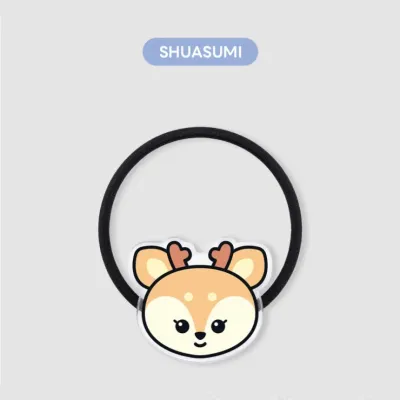
Prices are valid at publication and may change. Please refer to the product page for the latest price.
These manufacturers of replica goods target trending brands like Miniteen because the profit margins on printed paper, plastic sleeves, and acrylic accessories are incredibly high. Because official merchandise often commands premium prices, replica producers can offer their fake items at slightly lower, highly tempting price points to lure unsuspecting buyers. They exploit the fact that many collectors are willing to take risks on unverified listings when an item is otherwise unavailable.
Furthermore, the rise of peer-to-peer selling applications and global e-commerce platforms makes it easier than ever for unauthorized goods to slide into the market unnoticed. Sellers can easily set up temporary profiles, list dozens of replica items, and disappear before platforms or buyers realize the products are fake. This shifting online landscape makes personal vigilance an absolute necessity for anyone purchasing outside of authorized retail environments.
How to Inspect Miniteen Packaging, Print, and Materials
To successfully distinguish genuine Miniteen products from fakes, you must conduct a thorough physical examination of the item in question. Counterfeiters often work with lower-grade printing presses and cheaper raw materials to keep their production costs minimal, leaving behind distinct clues that you can easily spot.

Evaluating Packaging and Print Accuracy
The first line of defense is examining the print quality of the packaging and the item itself, as official production standards demand absolute precision. Genuine Miniteen stationery and paper goods feature incredibly sharp text, vibrant and accurate color reproduction, and perfectly aligned borders. When inspecting an item, look closely at the fine print, copyright symbols, manufacturer details, and brand logos to ensure the fonts are consistent and free of blurriness.
Counterfeit items frequently suffer from “print registration” errors, where different color layers do not align perfectly, resulting in a slight shadow or double-image effect. Text on fake packaging may appear muddy, pixelated, or slightly faded, especially when looking at small legal disclaimers or barcode numbers on the back. You should also check the alignment of the die-cuts; official packaging is cut with high-precision machinery, leaving clean, symmetrical margins, whereas fakes often have off-center borders or uneven edges.
Additionally, many official items utilize proprietary anti-counterfeit features, such as custom holographic stickers, micro-printed security threads, or unique QR codes linked to verification portals. However, it is vital to remember that these security measures can change between different production batches or regional releases. Always cross-reference these features with the brand’s most recent official guidelines or verified unboxing videos from trusted collectors to see if the holographic pattern matches the specific release era.
Checking Material Quality and Finishing
Beyond visual cues, the tactile feel and structural integrity of the merchandise offer invaluable clues about its authenticity. Official Miniteen stationery items, such as notebooks, memo pads, and binders, are crafted using premium paper stocks that offer excellent thickness and a smooth writing surface. If you are inspecting a notebook or planner, check the paper’s weight and test its bleed resistance if possible; genuine pages are designed to handle standard inks without excessive feathering or show-through.
The binding of official stationery is another critical area to examine, as genuine products feature tight, clean stitching or perfectly distributed adhesive along the spine. Replica notebooks often use cheap glue that cracks easily when opened, or loose, uneven threads that unravel quickly under light use. Similarly, plastic components like photocard sleeves, acrylic stands, or binder covers should feel rigid and durable, with smooth, polished edges rather than rough, sharp, or uneven plastic flashing.
Be particularly attentive to the finishing details, such as lamination and scent. Authentic items typically feature flawless matte or glossy lamination that does not peel at the corners or bubble across the surface. Conversely, counterfeit goods often emit a strong, unpleasant chemical odor—a clear sign of cheap industrial adhesives, low-grade plastics, and low-quality inks that have not been properly cured. If an item feels unusually flimsy, light, or carries a harsh chemical smell, it is highly likely to be an unauthorized replica.
Spotting Red Flags in Online Listings and Seller Profiles
Before you even make physical contact with an item, you can filter out a significant portion of counterfeit risks by critically analyzing the online listing and the seller’s behavior. In the digital marketplace, certain patterns almost always point to high-risk transactions.
One of the most immediate warning signs is a pricing structure that seems too good to be true. If a rare, out-of-print Miniteen photocard binder that typically trades for S$50 among local collectors is listed for a mere S$10, you must question why the seller is sacrificing such a massive margin. While occasional bargains do exist, extreme underpricing is a classic tactic used by counterfeiters to clear out stock quickly before their listings are flagged and removed.
Another major red flag is the exclusive use of official stock photos or promotional graphics instead of actual, hand-held photographs of the specific item for sale. Authentic sellers are usually proud to show off the condition of their items and will readily provide clear, well-lit photos from multiple angles, including the back, the packaging, and any barcodes or tags. If a seller repeatedly ignores your requests for custom photos—such as placing a piece of paper with their username next to the product—you should immediately walk away from the transaction.
Take the time to thoroughly investigate the seller’s profile, paying close attention to their account creation date, overall rating, and past reviews. Be skeptical of accounts that are only a few days old but have suddenly listed dozens of rare, highly sought-after Miniteen items simultaneously. Read through their historical feedback; look out for repetitive, generic positive reviews that might indicate automated bot activity, or warning reviews from previous buyers mentioning poor item quality or slow communication.
Choosing Safe Purchasing Channels and Verifying Sellers
Minimizing your risk of purchasing counterfeit goods requires a deliberate strategy of sourcing from authorized channels and leveraging the collective knowledge of the fan community. Whenever possible, your primary choice should always be the official brand webstores or physical retailers authorized by the manufacturer.
If you must buy from secondary markets or peer-to-peer e-commerce platforms in Singapore, prioritize sellers who utilize secure payment escrow systems. These systems hold your funds safely in escrow and do not release the payment to the seller until you have physically received, inspected, and confirmed the authenticity of the item. Avoid transactions where the seller insists on direct bank transfers, outside-app payments, or immediate cash deposits before shipping, as these methods offer absolutely no buyer protection if the item turns out to be a fake.
For highly specialized or rare Miniteen collectibles, tapping into dedicated local fan communities and collector forums can provide an incredible safety net. Experienced collectors in Singapore often maintain active social media groups or messaging channels where they share detailed comparison guides, list known counterfeit sellers, and help verify specific batch details. Before committing to a high-value purchase, consider posting clear screenshots of the listing in these community spaces to get a second opinion from seasoned eyes who know the exact weight, texture, and visual nuances of the specific release.
Steps to Take If You Suspect You Received a Fake Item
If you have completed a purchase and suspect that the item delivered to your doorstep in Singapore is a counterfeit, you must act quickly and systematically to protect your hard-earned money. The first few hours after delivery are critical for establishing a successful dispute.
Your very first action should be documenting the unboxing process. Whenever you receive a parcel containing high-value collectibles, record a continuous, unedited video from the moment you cut open the shipping seal to the detailed physical inspection of the item itself. This video serves as undeniable, tamper-proof evidence for platform moderators, proving that the item you are inspecting is indeed the exact one that arrived in the mail.
Next, take high-resolution, well-lit photographs of the specific discrepancies you discovered, such as blurry printing, poor binding, incorrect copyright text, or flimsy materials. Once your evidence is gathered, contact the seller directly through the platform’s official messaging system to politely request a return and a full refund, clearly stating the physical mismatches you observed. Many sellers, fearing negative feedback or account suspension, will agree to a refund immediately.
If the seller is uncooperative, denies your claim, or stops responding, do not waste time arguing; escalate the issue directly to the platform’s customer support or dispute resolution center. Submit your unboxing video, detailed comparison photos, and a clear explanation of why the item is counterfeit. Be highly mindful of the platform’s specific buyer protection windows—which often expire within three to seven days of delivery—and ensure you submit all required documentation well before these strict deadlines pass.
Frequently Asked Questions (FAQ)
Does a missing holographic sticker always mean the Miniteen item is fake?
No, a missing holographic sticker does not automatically guarantee that a Miniteen item is counterfeit. While these security seals are common, their presence, design, and placement can vary significantly depending on the specific production batch, the manufacturing plant, or the country of distribution. Some early print runs or promotional editions may not feature these stickers at all. Rather than relying on a single physical feature, you should evaluate the item as a whole, looking at overall print sharpness, paper quality, and seller credibility.
Can I use third-party authentication apps for idol merchandise?
Generally, commercial third-party authentication applications are not reliable for verifying niche idol merchandise or specialized stationery. Most of these digital platforms specialize in high-volume luxury goods, sneakers, or streetwear, meaning their databases and automated verification algorithms lack the specific data required to assess Miniteen products. Instead of relying on these apps, you will achieve far more accurate results by utilizing official brand guidelines, secure escrow-based purchasing platforms, and the shared expertise of dedicated collector communities.
Community discussion
Share your experience or ask a question. Comments are reviewed before publication.