
Verifying the authenticity of K-pop merchandise is essential for protecting your investment and ensuring your support directly benefits your favorite artists. With the rising popularity of idol groups, the market has seen an influx of sophisticated counterfeit goods, ranging from fake photocards to replica lightsticks. Confirming genuine origin requires a systematic approach that combines close physical inspection, security marker verification, and careful selection of purchasing channels. By understanding what to look for, you can confidently build a collection of genuine memorabilia.
Common Red Flags in Counterfeit K-pop Merchandise
Print quality and color accuracy are the most immediate indicators of a counterfeit item. Official photocards, which typically measure the standard 55mm by 85mm, are printed on high-grade cardstock with a weight of approximately 300 to 350 gsm. These genuine cards feature sharp, high-resolution imagery, accurate color saturation, and a professional finish—whether matte, glossy, or soft-touch lamination. In contrast, counterfeit photocards often exhibit grainy textures, blurry details, or unnatural color shifts. When placed inside standard archival photocard sleeves, fake cards may slide loosely or stick awkwardly due to non-standard dimensions or cheap, sticky laminates.
The physical edges of photocards also reveal their manufacturing origin. Official cards are cut using industrial press sheets, leaving tiny, uniform tab marks or rounded corners with clean, smooth edges. Counterfeiters often hand-cut cards or use low-tolerance cutting machines, resulting in rough, uneven edges, asymmetrical corners, or a complete absence of these characteristic manufacturing marks. Posters and album packaging should be inspected for similar printing defects, such as faded inks, misaligned text layers, or low-resolution graphics that appear pixelated upon close inspection.
Products mentioned in this guide
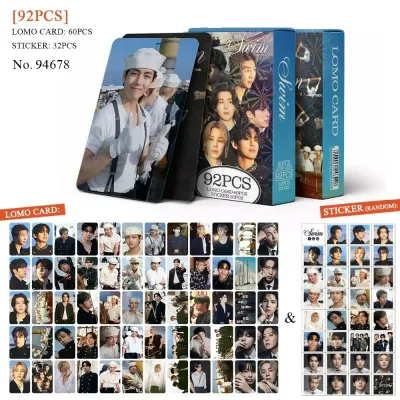
![[ +WEVERSE GIFT ] SEVENTEEN - WORLD TOUR [ NEW ] DIGITAL CODE](https://img.lazcdn.com/g/ff/kf/Sdaab625bcaaa40ea89bcb7676bd6987dj.jpg_400x400q80.jpg_.webp)
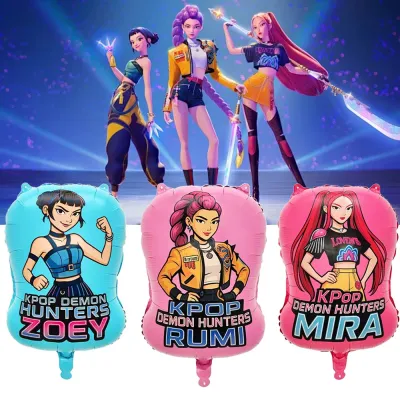
![[SG Ready Stock] Kpop Demon Hunters Watch Projector Watch Kids Watch Huntrix](https://img.lazcdn.com/g/ff/kf/S1f5163d80c484eaca4295d5700773269c.jpg_400x400q80.jpg_.webp)
![[SG Ready Stock] Kpop Demon Hunters Hair Bow Hair Pin Children Hair Bow Huntrix Rumi Mira Zoey](https://img.lazcdn.com/g/ff/kf/S916b87c9b6a043658615eee0307f770ek.jpg_400x400q80.jpg_.webp)
Prices are valid at publication and may change. Please refer to the product page for the latest price.
For high-value items like lightsticks, material quality and structural integrity are critical. Official lightsticks are constructed from durable, high-grade plastics with seamless joints, precise molding, and a balanced weight. Counterfeit lightsticks often feel unusually light, use thin plastics that creak under pressure, or feature poorly aligned battery compartments. Inspect the battery contacts closely; genuine items have clean, well-soldered metal springs and plates, whereas fakes frequently show messy soldering, rust, or loose connections. Furthermore, official lightsticks contain advanced internal chipsets designed to pair with dedicated concert applications via Bluetooth for color syncing, a feature that counterfeit Bluetooth chips rarely replicate successfully.
Branding and packaging details provide additional clues. Carefully examine all printed text on the packaging for spelling errors, incorrect font weights, or misplaced agency logos. Official merchandise always includes legible copyright notices, trademark symbols, and licensing information printed in sharp, high-contrast ink. Counterfeit packaging often omits these details or prints them in blurry, faded lettering that is difficult to read.
Step-by-Step Authenticity Verification Methods
The most reliable physical proof of authenticity is the presence of official security labels. Most South Korean entertainment agencies utilize specialized hologram stickers, such as the Korea Music Copyright Association (KOMCA) sticker, on the back of albums and merchandise. These stickers feature intricate, reflective patterns that shift colors or reveal hidden logos and serial numbers when tilted under a bright light source. Some agencies also use proprietary security labels with embedded color-shifting threads, microtext, or watermarks that require a magnifying glass or a smartphone flashlight to verify.

Many modern K-pop releases incorporate digital verification systems to combat counterfeiting. These items feature a unique QR code or a scratch-off serial number on the security label. To verify these, download the official mobile application designated by the entertainment agency or the authorized manufacturer. Scan the code in a well-lit room, keeping your camera steady to allow the app to read the embedded security layer. A genuine code will direct you to a secure, official domain confirming the product’s registration, while a counterfeit code will often lead to a broken link, a generic search page, or a cloned website designed to mimic the official portal.
Comparing your item against verified reference materials is an excellent way to spot subtle discrepancies. Look up high-resolution product images on official agency webstores or watch detailed unboxing videos from trusted collectors within the community. Pay close attention to the exact placement of logos, the color temperature of the packaging, and the specific inclusions like stickers, lyric books, or photo books. Note the paper thickness and finish of all printed inclusions, as these tactile qualities are highly difficult for counterfeiters to match precisely.
Choosing Reliable Purchasing Channels
To minimize the risk of receiving counterfeit goods, prioritize buying directly from official agency webstores or globally recognized authorized retailers. When shopping on open online marketplaces, look for sellers with verified badges or those officially partnered with major music charts. In Singapore, local pop-up events organized by official distributors or established physical hobby shops in major shopping districts offer a reliable way to inspect items in person before committing to a purchase.
If you choose to buy from third-party sellers on e-commerce platforms, thoroughly evaluate their feedback history. Look for detailed reviews with actual buyer photos showing the received items, rather than generic five-star ratings that could be automated. Ensure the seller has a clear, documented return policy that allows for refunds if an item is proven to be counterfeit, and communicate with them directly to ask for live photos of the product’s security stickers.
Be highly skeptical of listings offering rare or out-of-print merchandise at prices significantly below market value. For example, if a highly sought-after photocard or a limited-edition album is listed for just S$5, it is almost certainly a counterfeit. Terms like “factory overstock,” “unbranded replica,” or “fan-made version” are common euphemisms used by sellers to bypass counterfeit detection filters. Official merchandise is produced in limited runs under strict quality control, meaning genuine surplus stock rarely, if ever, finds its way to open marketplaces at clearance prices.
What to Do If You Receive Fake Merchandise
If you suspect you have received a counterfeit item, immediate documentation is crucial for securing a refund. Always record a continuous, unedited video of the unboxing process starting from the sealed shipping package. Ensure the video clearly shows the shipping label, the tracking number, and all sides of the package before you open it. Keep the camera focused on the package as you open it, inspect the outer packaging, and reveal the contents. If you discover counterfeit markers, take high-resolution, well-lit photos comparing the fake elements—such as blurry printing or missing holograms—against known authentic details.
Submit a formal dispute through the online marketplace’s buyer protection system immediately, uploading your unboxing video and comparative photos as evidence. Avoid contacting the seller outside the platform’s official messaging system, as this can void your buyer protection rights. Clearly state that the item received is counterfeit, which violates the platform’s terms of service, and request a full refund including any return shipping costs.
Once your refund is processed, report the seller’s account directly to the platform administration for listing counterfeit goods. This helps protect the wider collecting community from falling victim to the same seller. You can also share your experience in local collector groups or online forums to raise awareness about specific counterfeit listings and active fraudulent accounts.
Frequently Asked Questions (FAQ)
Are unofficial fan-made goods considered fake merchandise?
Unofficial fan-made goods, often referred to as fan art or custom merchandise, are distinct from counterfeiting because they do not attempt to pass themselves off as official agency products. These items are typically designed by independent artists and sold with clear disclaimers indicating they are fan-made. While most entertainment agencies tolerate small-scale fan merchandise as a form of community engagement, selling items that directly copy official logos, album art, or copyrighted photos without permission crosses the line into illegal counterfeiting.
Can I trust third-party authentication services for K-pop items?
Third-party grading and authentication services can provide a helpful secondary opinion, particularly for high-value items like rare photocards. However, these services are not official and their certificates do not override the verification standards set by the entertainment agencies themselves. When using these services, verify their reputation within the collecting community and rely on them as a supplementary check rather than a definitive guarantee of authenticity.
Community discussion
Share your experience or ask a question. Comments are reviewed before publication.