
Identifying authentic G-Dragon merchandise requires a systematic approach that combines physical inspection, seller evaluation, and verification of security features. As a highly influential figure in K-pop and fashion, G-Dragon’s official releases—ranging from limited-edition stationery and photocards to apparel and accessories—are frequent targets for counterfeiters. To protect your collection and ensure your money supports the artist, you must look closely at the print precision, paper weight, packaging details, and the credibility of your purchase source. Understanding these details helps you navigate the secondary market with confidence and avoid the disappointment of acquiring a fake item.
Why Authenticity Matters for G-Dragon Collectibles
Collecting memorabilia is a significant investment of time, effort, and money. When you inadvertently purchase counterfeit G-Dragon merchandise, you face immediate financial loss, as fake items hold zero resale value in the secondary collector market. Serious collectors prioritize authenticity, meaning a counterfeit item cannot be traded or sold to recoup your initial expenditure.
Beyond financial considerations, counterfeit items suffer from severe quality degradation. Unofficial prints, apparel, and stationery items often use substandard materials that deteriorate rapidly. For instance, fake photocards may fade under normal light exposure, and counterfeit notebooks often feature low-grade paper that tears easily.
Products mentioned in this guide

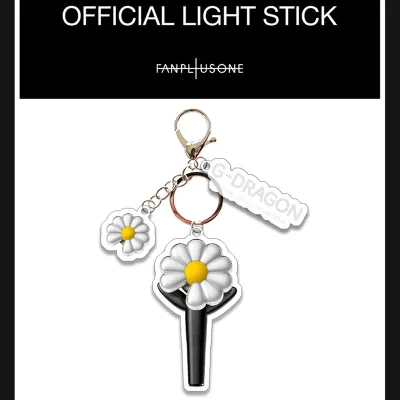
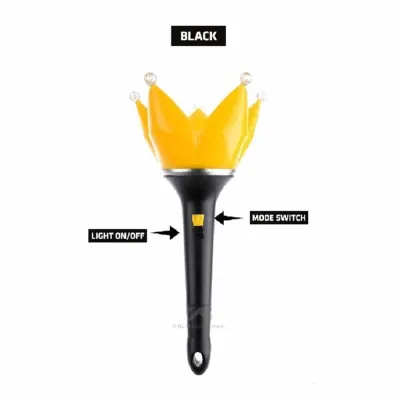
Prices are valid at publication and may change. Please refer to the product page for the latest price.
Furthermore, purchasing official merchandise directly supports the artist, their agency, and the authorized creators who design these items. Official sales contribute to charting, artist revenue, and the feasibility of future creative projects. Supporting counterfeiters instead diverts resources away from the creative industry, making it harder for artists to continue producing high-quality releases.
Key Visual and Physical Checks for Official Merch
To determine if an item is genuine, you must conduct a thorough physical inspection. Counterfeiters often cut corners on manufacturing processes, leaving behind observable clues that distinguish their products from official releases.

For paper-based collectibles like photocards, postcards, and posters, examine the print sharpness and color accuracy. Official items are printed using high-resolution industrial presses, resulting in crisp details, smooth color gradients, and accurate skin tones. Counterfeits often exhibit a grainy texture, pixelation, or a noticeable color cast, such as an overly warm or cool tint.
Feel the weight and texture of the paper. Official photocards are typically printed on thick, premium cardstock with clean, die-cut edges that are perfectly uniform. Fake cards are often thinner, feel flimsy, and may have rough or uneven edges from manual cutting.
If you are inspecting stationery items like official notebooks, journals, or planners, pay close attention to the paper quality and construction. Official stationery is designed for actual use, meaning the paper should offer excellent smoothness and bleed resistance. You can test this by observing how the paper handles ink; high-quality official paper prevents ink from feathering or bleeding through to the other side. Check the binding as well; official notebooks use secure, even stitching or durable adhesive that allows the book to lay flat without the pages detaching. For writing instruments like official pens, verify the tip alignment and check if the pen accepts standard, high-quality refills, as counterfeits often use cheap, non-replaceable ink cartridges.
For apparel items, inspect the stitching consistency. Official clothing lines feature straight, tight seams with no loose threads or puckering. Counterfeit apparel often has uneven stitching, misaligned graphics, and low-grade fabric that feels rough or thin.
Official packaging is designed with the same attention to detail as the product itself. Examine the alignment of logos, typography, and copyright notices on the box or wrapper. Official merchandise always features crisp, legible text with correct spelling and proper trademark symbols. Counterfeit packaging frequently displays blurry fonts, misaligned elements, or subtle spelling errors.
Look for official agency copyright notices, which are typically printed on the back or bottom of the packaging. These notices should name the correct entertainment agency or brand partner associated with the specific release.
Most official G-Dragon merchandise features specific security elements, such as holographic stickers, serial numbers, or QR codes. When inspecting a holographic sticker, tilt the item under a light source. A genuine hologram displays a sharp, multi-layered three-dimensional effect with a vibrant rainbow spectrum. Counterfeit stickers often look flat, dull, or have a simple metallic sheen without the complex visual depth of the original.
Some modern releases include unique serial numbers or scratch-off QR codes that allow you to verify the product on an official website or mobile application. Keep in mind that security features vary significantly depending on the release year and the type of item, so it is helpful to research the specific security measures implemented for that particular collection.
Evaluating the Seller and Purchase Channels
Where you buy your merchandise is just as important as the physical checks you perform. Choosing secure, authorized channels significantly reduces the risk of encountering counterfeit goods.
Whenever possible, purchase directly from official storefronts, such as the artist’s official agency webstore, authorized pop-up shops, or official fan club platforms. These sources guarantee authenticity and ensure your purchase is recorded correctly.
When navigating online marketplaces or social media sales, learn to recognize common red flags. Be highly skeptical of listings that use stock photos instead of actual photos of the physical item. Sellers of authentic items are usually willing to provide detailed, close-up photos of the product from multiple angles.
Price is another critical indicator. If a rare, out-of-print collectible is listed at a price significantly below its established market value, it is highly likely to be a counterfeit. Genuine sellers know the value of their items and rarely sell them at a steep discount.
Before completing a transaction with a third-party reseller, request verifiable proof of purchase. This can include the original digital receipt from the official store, order confirmation emails, or an unboxing video that shows the item being removed from its original shipping packaging. A legitimate seller who has nothing to hide will typically cooperate with these requests to prove authenticity.
Steps to Take If You Receive a Counterfeit Item
If you suspect you have received a fake item, acting quickly and methodically is essential to resolving the issue and potentially recovering your funds.
First, document the item thoroughly. Take clear, high-resolution photos in well-lit conditions, focusing on the specific areas that indicate it is a counterfeit, such as blurry printing, poor stitching, or a suspicious security sticker. If possible, place the item side-by-side with a verified authentic reference image to highlight the differences clearly.
Next, initiate a dispute resolution process through the ecommerce platform or the payment provider you used for the transaction. Submit your documented photos and a detailed explanation of the discrepancies as evidence. Most reputable platforms have buyer protection policies that cover counterfeit goods, provided you can present clear proof of the misrepresentation.
Be aware of the limitations of third-party authentication services. While online fan communities and collector groups can offer valuable opinions, their assessments are unofficial and may not be accepted as definitive proof by ecommerce platforms or payment processors. If you purchased the item through an unverified private sale or a cash-on-delivery transaction outside of a protected platform, recovering your money may be extremely difficult. In such cases, use the experience to refine your verification process for future purchases.
Frequently Asked Questions (FAQ)
Are unofficial fan-made goods considered fake merchandise?
No, there is a distinct difference between fan-made goods and counterfeit merchandise. Fan-made goods, often created by independent artists or fansites, are sold openly as unofficial tributes and do not attempt to mimic official branding or packaging. Counterfeits, on the other hand, are deceptive items designed to look exactly like official releases, complete with copied logos and fake security stickers, created with the intent to mislead buyers.
Can I rely solely on holographic stickers to verify authenticity?
No, you should never rely on a single security feature for verification. Counterfeiters have become adept at replicating holographic stickers and security seals, often producing fakes that look convincing at a glance. Always combine the sticker check with other physical inspections, such as evaluating print sharpness, paper weight, binding quality, and the overall credibility of the seller.
Community discussion
Share your experience or ask a question. Comments are reviewed before publication.