
Identifying authentic Blackpink merchandise requires a systematic approach of inspecting official licensing markers, evaluating material craftsmanship, and verifying the seller’s credentials. With the global popularity of K-pop, counterfeit goods have become highly sophisticated, making it easy to mistake a replica for an official release. By understanding what to look for on the packaging and assessing the physical quality of the items, you can protect your collection and ensure your purchases directly support the artists.
Whether you are buying physical albums, collectible photocards, or concert memorabilia, shopping in Singapore’s active secondary market requires extra vigilance. Peer-to-peer marketplaces and unverified online listings often host counterfeit items that mimic official designs. Knowing how to spot these fakes before making a transaction will save you time, money, and disappointment.
Recognize the Risks of Counterfeit K-Pop Merchandise
Shopping outside of official retail channels always carries an inherent risk of encountering counterfeit goods. Unauthorized third-party sellers often list items on general online marketplaces, peer-to-peer selling apps, and social media platforms where oversight is minimal. These listings frequently target fans looking for sold-out items or rare collectibles, using stolen official photos to mask the actual product being sold.
Products mentioned in this guide
![BLACKPINK JISOO - 1st single album [ ME ] Photobook ver + No Poster](https://img.lazcdn.com/g/p/29951a49effa0025ef7b10beb66d16bc.jpg_400x400q80.jpg_.webp)
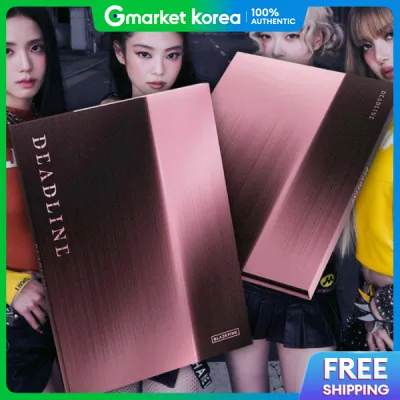
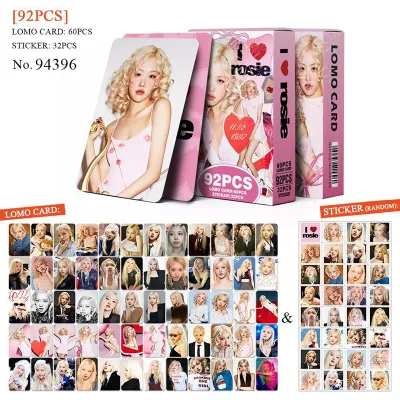
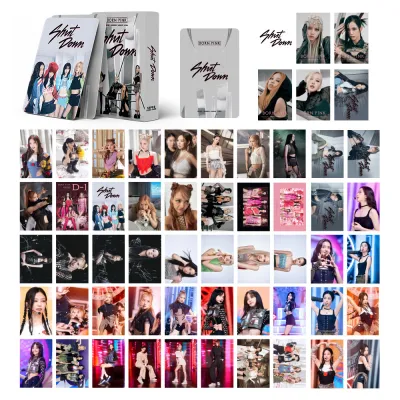
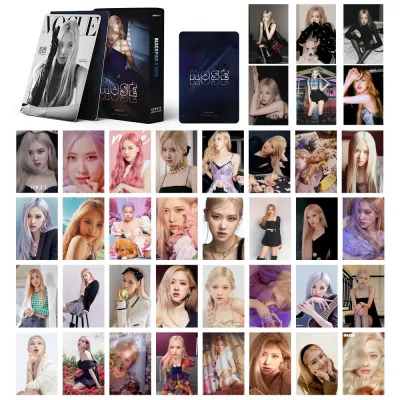

Prices are valid at publication and may change. Please refer to the product page for the latest price.
To attract unsuspecting buyers, counterfeiters rely on deceptive marketing terminology. Phrases such as “factory overstock,” “unauthorized authentic,” “replica,” or “1:1 premium quality” are common red flags. In the retail industry, official merchandise is tightly controlled by the entertainment agency, meaning there is no such thing as authorized factory excess sold through back channels. These terms are simply euphemisms for counterfeit products.
Buying counterfeit merchandise also has broader implications beyond receiving a low-quality item. Fake goods divert revenue away from the artists, producers, and designers who create the official concepts. Furthermore, counterfeit production does not adhere to consumer safety standards, meaning items like apparel, accessories, or stationery may contain unregulated materials or chemical dyes that would otherwise fail quality control checks.
Check Official Licensing and Packaging Markers
The first line of defense when verifying Blackpink merchandise is examining the outer packaging for official licensing indicators. Genuine products released by YG Entertainment feature specific copyright text, official logos, and distributor details printed clearly on the back or bottom of the packaging. Look closely at the spelling, spacing, and alignment of these texts, as counterfeiters often make minor typographical errors or use incorrect fonts.

Most official Blackpink merchandise features a specialized anti-counterfeit holographic sticker. These stickers are designed to shift colors and reveal hidden patterns or logos when tilted under a light source. Depending on the release year, the sticker may also include a unique serial number or a scannable QR code that links directly to an official verification page. If the sticker is completely flat, lacks a color-shifting effect, or is missing entirely, the item is highly likely to be a fake.
Additionally, you should inspect the printing quality of the barcodes and packaging graphics. Official albums, photobooks, and stationery sets are printed using high-resolution industrial presses, resulting in sharp text and vibrant, solid colors. Counterfeit packaging often exhibits blurry barcodes, pixelated images, or washed-out colors, which occur when low-resolution digital scans are reprinted on cheap cardboard.
Inspect Material Quality and Craftsmanship
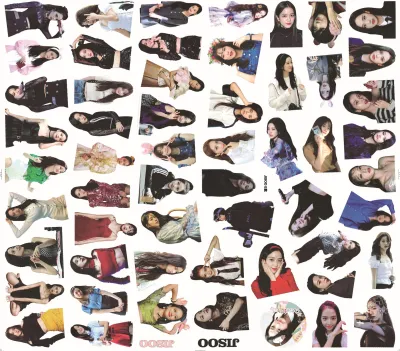
Physical inspection of the merchandise provides immediate clues about its authenticity. Official K-pop collectibles are manufactured to strict quality standards, which are particularly evident in stationery items like notebooks, stickers, and photocards. When evaluating these items, pay close attention to the paper weight, lamination quality, and edge-cutting precision.
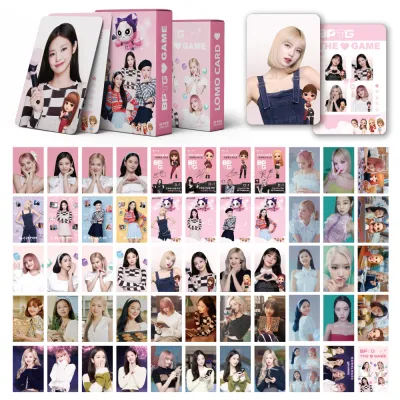
Official photocards are printed on thick, premium cardstock that resists bending and warping. They typically feature a smooth, professional lamination—either a clean matte or a high-gloss finish—that does not peel at the corners. In contrast, counterfeit photocards are often printed on much thinner paper that feels flimsy to the touch. Because of Singapore’s high humidity, these low-grade paper fakes are highly susceptible to warping, bubbling, and edge-peeling over a short period.
Furthermore, examine the cutting alignment and corner rounding of the cards. Official photocards are machine-cut with perfect symmetry, often leaving tiny, characteristic tab marks on the edges from the manufacturing sheet. Counterfeiters often cut cards manually or use low-precision dies, resulting in uneven borders, asymmetrical rounded corners, or cropped images where the original photo has been poorly resized. For apparel and bags, check for loose threads, uneven stitching, and thin, rough fabrics that indicate cheap production methods.
Evaluate Seller Credentials and Sales Channels
To minimize the risk of purchasing fake items, always prioritize official brand stores, authorized retail partners, and established physical record shops. Buying directly from official agency webstores or recognized local music retailers guarantees that the stock is sourced directly from the official distributors. These channels also ensure that your album purchases count toward official music charts.
When shopping on general e-commerce platforms or peer-to-peer marketplaces, you must thoroughly scrutinize the seller’s profile. Check their historical ratings, read detailed buyer reviews, and look for photos uploaded by previous customers. Be cautious of sellers who have a high volume of negative feedback regarding product authenticity, or those who use generic stock images instead of providing real, high-resolution photos of the actual item in their possession.
Price is another critical indicator of authenticity. Compare the listed price against typical retail prices in Singapore dollars (S$). If a rare, out-of-print album or a highly sought-after photocard is listed for S$5 when its market value is closer to S$40, the deal is likely too good to be true. Additionally, be wary of listings that claim to have an infinite supply of rare or limited-edition items, as genuine collectible stock is naturally limited.
What to Do If You Receive Suspected Counterfeits
If you suspect that you have received a counterfeit item, the first step is to document the evidence thoroughly. When receiving a package from an online transaction, it is highly recommended to record a continuous, unedited video of the unboxing process. This video should clearly show the shipping label, the sealed package, and the physical state of the item as it is removed from the box.
Take high-resolution, close-up photos of the specific flaws that indicate the item is fake, such as blurry printing, missing holographic stickers, or poor material construction. This documentation will serve as crucial evidence when you initiate a dispute. Most major e-commerce platforms offer buyer protection programs that allow you to request a refund if you can prove the item received is not as described.
Once you have gathered your evidence, open a formal dispute through the platform’s customer support system or contact your payment provider to report the fraudulent transaction. Avoid contacting the seller directly to resolve the issue if they are uncooperative, as they may attempt to delay the process until the platform’s protection window closes. Finally, report the counterfeit listing and the seller’s account to the platform to help prevent other fans from falling victim to the same scam.
Frequently Asked Questions (FAQ)
Can I verify Blackpink merch using a specific official app?
Yes, certain official Blackpink items can be verified using official mobile applications, but this does not apply to all merchandise categories. For instance, official lightsticks often feature built-in Bluetooth chips that connect to a dedicated app for concert syncing and authentication checks. However, standard stationery items, clothing, and older albums do not have digital connectivity. Always rely on the specific verification instructions published on the official YG Entertainment website for each product release, and avoid downloading unverified third-party authentication apps from unofficial sources.
Are unofficial fan-made goods considered fake merchandise?
There is a distinct difference between unofficial fan-made goods and malicious counterfeits. Fan-made items, often referred to as fanart or custom merchandise, are created by independent artists for personal collections or fan events, and they are typically sold transparently as unofficial tributes. Counterfeits, on the other hand, are deliberately designed to deceive buyers by copying official designs, forging copyright text, and replicating holographic stickers to pass off as genuine agency releases. When buying from independent creators, ensure they are transparent about the unofficial nature of their products.
Community discussion
Share your experience or ask a question. Comments are reviewed before publication.