
Identifying authentic BIGBANG merchandise requires a careful eye for detail, especially since counterfeiters have grown highly adept at replicating official goods. To determine if your BIGBANG albums, lightsticks, or stationery items are genuine, you must inspect the physical quality of the materials, verify official licensing markers like holographic security stickers, and evaluate the credibility of the seller. While some counterfeit items are easy to spot due to blurry printing or flimsy packaging, others require a closer look at copyright text, paper weight, and official verification apps.
Common Signs of Counterfeit K-Pop Merchandise
Print quality and color accuracy are among the most reliable indicators of a counterfeit item. Official BIGBANG merchandise, from photobooks to collectible cards, undergoes strict quality control to ensure high-resolution imagery and vibrant, balanced colors. Counterfeit items are frequently produced using low-resolution scans of official photos, resulting in visible pixelation, soft details, and unnatural color shifts. You might notice that the skin tones of the members look overly warm, washed out, or that fine details in their hair and eyes are completely lost.
The material feel and structural integrity of the item can also reveal its true origin. Official stationery, photobooks, and album packaging utilize heavy-weight, premium paper stock that feels sturdy in hand. In contrast, counterfeit goods often use thin, cheap paper that bends easily and feels flimsy. Pay close attention to the binding of books and notebooks; official releases feature clean, secure binding, whereas replicas often show messy glue lines, uneven page cuts, or loose pages that detach easily. In Singapore’s humid climate, cheap adhesives used in counterfeit items tend to degrade rapidly, causing covers to warp or pages to separate far sooner than genuine products.
Products mentioned in this guide
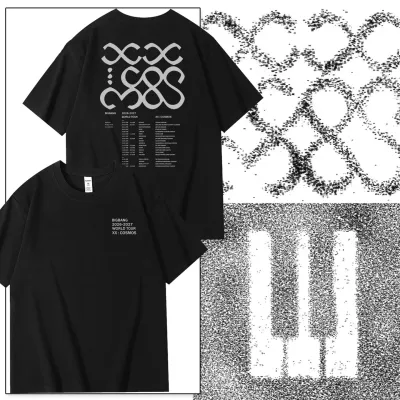
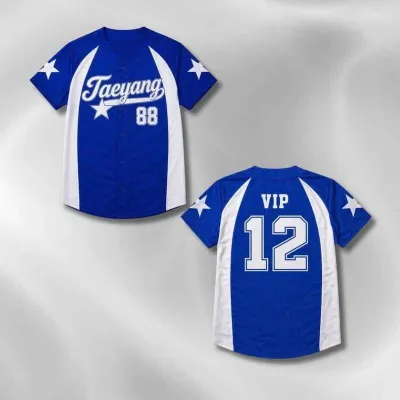
Prices are valid at publication and may change. Please refer to the product page for the latest price.
Packaging inconsistencies are another major red flag to watch out for during your inspection. Official packaging is designed not only to look appealing but also to protect the contents securely during transit. Counterfeit packaging often uses thin cardboard that crushes easily, lacks the precise structural inserts of the original, or features misaligned folding lines. Always check for missing inserts such as lyric booklets, official photocards, or user manuals, as counterfeiters frequently omit these components to keep production costs low.
Key Authenticity Features to Inspect
Holographic stickers and security seals are the primary defense against counterfeit merchandise, but they require careful examination. Official BIGBANG releases typically feature a Korea Music Copyright Association (KOMCA) sticker or a specific YG Entertainment holographic seal on the back of the packaging. Genuine holographic stickers reflect light in a clean, multi-layered pattern, often revealing hidden logos or micro-text when tilted at different angles. While advanced counterfeiters can replicate basic silver stickers, they rarely manage to duplicate the sharp, high-definition depth and color transitions of genuine security seals.

Official tags, logos, and copyright text formatting provide further clues to an item’s authenticity. Turn the product over and closely examine the fine print on the back of the packaging or the inner tags of apparel and accessories. Genuine merchandise features crisp, perfectly aligned text with correct spelling and consistent font sizes. Counterfeit items often exhibit subtle formatting errors, such as uneven spacing, slightly altered brand logos, or spelling mistakes in the copyright notice, which should clearly credit YG Entertainment or authorized distributors like YG PLUS.
Checking official agency channels for current verification methods is highly recommended for newer releases. Many modern K-pop collectibles incorporate digital verification features, such as unique QR codes that link to official authentication portals or dedicated mobile apps. When scanning these codes, ensure that the URL directs you to an official, secure domain owned by the entertainment agency or its authorized partner. Be skeptical of QR codes that lead to generic landing pages, unverified third-party websites, or those that fail to register entirely.
Evaluating Sellers on E-Commerce Platforms
Analyzing product photos is a crucial first step when shopping on online marketplaces. Reliable sellers typically provide original, high-resolution photos of the actual item they have in stock, allowing you to inspect its condition and packaging. Be highly suspicious of listings that rely solely on official promotional graphics or stock images. If a seller uses real-life photos, check for cropped-out watermarks, inconsistent backgrounds across their listings, or low-quality images that prevent you from seeing the details of the holographic stickers.
Reviewing seller ratings and customer feedback can save you from making a costly mistake. Take the time to read through a seller’s transaction history, paying close attention to neutral and negative reviews. Look for specific complaints mentioning “bootlegs,” “unofficial items,” “fakes,” or “poor print quality.” A seller with a high overall rating may still carry counterfeit goods if they primarily sell other items and only occasionally list replica merchandise to unsuspecting buyers.
Suspicious pricing and unrealistic shipping origins are strong indicators of counterfeit goods. Official BIGBANG merchandise, particularly out-of-print albums or iconic collectibles like the Bang Bong lightstick, maintains a high market value due to its rarity. If you find a listing priced significantly below standard retail values—such as a lightstick offered for S$15 to S$20—it is almost certainly a replica. Additionally, verify where the item is shipping from; listings originating from regions known for high-volume replica manufacturing should be approached with extreme caution.
Trusted Purchasing Channels for Official Goods
Purchasing directly from official agency webstores or authorized physical retailers is the most effective way to ensure you receive genuine merchandise. Official platforms like YG Select and their globally recognized retail partners source their inventory directly from the manufacturer, eliminating any risk of counterfeits. For local buyers in Singapore, visiting established physical hobby shops and stationery boutiques that specialize in imported Korean music and merchandise provides a safe, reliable shopping experience.
Concert venue booths and official pop-up stores are excellent sources for authentic event-specific merchandise. When BIGBANG or its members tour, the merchandise sold inside the official venue boundaries is guaranteed to be licensed and genuine. If you are purchasing event-exclusive items after the concert has ended, always ask the seller for proof of purchase, such as a physical receipt or an email confirmation from the official event organizer, to verify the item’s origin.
Understanding the limitations and risks of third-party resellers and secondhand markets is essential for collectors. While peer-to-peer selling platforms are often the only places to find rare, vintage BIGBANG memorabilia, they carry the highest risk of counterfeit encounters. When navigating these markets, protect yourself by requesting detailed, close-up photos of the security stickers and packaging. Whenever possible, arrange for a physical meetup in a public space to inspect the item’s weight, print quality, and materials in person before finalizing the payment.
What to Do If You Receive a Fake Item
If you suspect you have received a counterfeit item, the first step is to document the product thoroughly. Take clear, high-resolution photos and videos of the item from multiple angles, focusing specifically on the areas that indicate it is a fake, such as blurry printing, misaligned logos, or a non-functional holographic sticker. Compare these details side-by-side with images of verified authentic items, and keep all original packaging, shipping labels, and inserts intact as evidence.
Initiate a return or refund request immediately through the e-commerce platform’s official dispute resolution process. Provide your documented photos and videos along with a clear, objective explanation of why the item is counterfeit. Avoid clicking any buttons that confirm the order is complete or satisfactory, as doing so can release the funds to the seller and make it much more difficult to secure a refund. Keep all communication with the seller within the platform’s official chat system to ensure administrators can review the conversation if needed.
Finally, report the fraudulent listing and the seller’s profile to the platform administrators. Most online marketplaces have strict policies against the sale of counterfeit goods and will take action to remove the listing or suspend the seller’s account once sufficient evidence is provided. By reporting these listings, you help protect the wider collecting community from falling victim to deceptive sales practices.
Frequently Asked Questions (FAQ)
Can I verify authenticity using only the price tag?
No, the price tag alone is not a definitive indicator of authenticity. While an exceptionally low price is a major red flag, some counterfeiters intentionally price their replica items close to standard retail rates to avoid raising suspicion. Always combine price evaluations with a physical inspection of the item’s materials, security stickers, and the seller’s overall reputation.
Are unofficial fan-made goods considered fake merchandise?
No, unofficial fan-made goods are distinct from counterfeit merchandise. Fan-made items, such as custom stickers, art prints, or handmade accessories, are independent creations designed by fans to celebrate the group, and they do not claim to be official, licensed products. Counterfeits, however, are unauthorized replicas designed specifically to mimic official merchandise and deceive buyers into believing they are purchasing genuine, agency-licensed goods.
Community discussion
Share your experience or ask a question. Comments are reviewed before publication.