
To verify if a Mecca coin is authentic, you must perform a three-pillar check: inspect its physical attributes, verify the accompanying documentation, and evaluate the seller’s reputation. No single visual trait can guarantee authenticity on its own, so a combination of these checks is essential. If a seller refuses to provide close-up photos, lacks a clear return policy, or hesitates during basic verification, it is best to walk away from the transaction.
Physical and Visual Checks for Mecca Coins
Using a precision digital scale and digital calipers is the most reliable way to start your physical inspection. Compare these measurements directly against the official specifications provided by the issuing mint or manufacturer. Genuine commemorative coins are struck with high-precision machinery, meaning even a fraction of a millimeter or gram of deviation can signal a counterfeit. Do not rely on how the coin feels in your hand, as modern alloys can easily mimic the weight of precious metals.
Examine the coin under a magnifying glass or jeweler’s loupe to assess the surface details. Look closely at the Arabic calligraphy and architectural engravings of the Grand Mosque or other holy sites. Authentic pieces feature sharp, crisp lines and deep, uniform relief. Counterfeits often display soft, rounded details or blurred edges from casting molds. Additionally, inspect the edge of the coin; reeded or smooth edges must be perfectly uniform without any visible casting seams or rough join lines.
Products mentioned in this guide
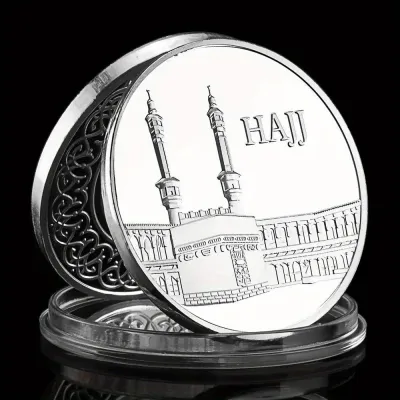
Prices are valid at publication and may change. Please refer to the product page for the latest price.
Search for standard purity or metal stamps, such as “999 Fine Silver” or “24K Gold.” Verify the placement, depth, and font consistency of these stamps against known genuine examples from the same issuer. On authentic coins, these markings are struck cleanly and aligned perfectly with the overall design. Crooked, unevenly spaced, or shallow stamps are common indicators of a low-quality replica.
Perform basic, non-destructive material tests to rule out common base metals. A strong neodymium magnet should not attract genuine gold or silver coins, as these metals are non-magnetic. You can also perform a slide test or a gentle ring test, listening for the high-pitched, long-lasting chime characteristic of precious metals. However, keep in mind that sophisticated counterfeiters often use non-magnetic alloys that mimic these properties, making physical measurements and professional testing far more reliable.
Evaluating Certificates and Packaging
A genuine commemorative Mecca coin often comes with a dedicated Certificate of Authenticity (COA). Examine this document closely for security features such as sequential numbering, holographic seals, and micro-printing. The serial number printed on the certificate must match any numbers engraved on the coin’s edge or printed on the outer packaging. Be cautious of certificates printed on flimsy paper with blurry text, as high-quality presentation is standard for genuine religious souvenirs.

Assess the build quality of the display case, capsule, or presentation box. Genuine religious souvenirs and commemorative gifts are typically housed in secure, well-fitted, and high-quality materials designed to protect the coin from environmental damage. Loose-fitting plastic capsules, cheap cardboard boxes with chemical odors, or misaligned velvet linings suggest a counterfeit product.
Cross-reference the issuing authority, mint, or organization named on the certificate. Visit their official website or consult recognized numismatic directories to verify that the specific coin design and edition actually exist. If the certificate names a non-existent mint or lacks contact and licensing information, the item is highly likely to be a fake.
Red Flags of Counterfeit Religious Souvenirs
Be highly skeptical of prices that seem too good to be true. If a seller offers a gold or silver Mecca coin in Singapore for a price in S$ that is significantly below the current intrinsic metal value, it is almost certainly a counterfeit. Commemorative pieces carry an additional numismatic premium, so prices should align with standard market rates for similar high-quality religious souvenirs.
Carefully inspect the spelling of any Arabic or English text on the coin. Counterfeiters operating outside the region often make spelling mistakes, use incorrect grammatical structures, or misalign religious motifs. Blurred details on the Grand Mosque engraving or distorted calligraphy are immediate red flags that indicate a lack of quality control typical of replica factories.
Pay close attention to how the seller conducts the transaction. Red flags include the exclusive use of stock photos, a refusal to provide high-resolution close-up images of the actual coin, or intense pressure to complete the sale quickly. Furthermore, be wary of sellers who insist on receiving payment outside secure online marketplaces or who refuse to offer a clear, written return policy.
Choosing Reliable Purchase Channels
To minimize the risk of purchasing a counterfeit religious souvenir, prioritize buying directly from recognized mints or official distributors. If you are shopping in Singapore, look for established numismatic shops and reputable gift boutiques that specialize in precious metals and commemorative items. These businesses have a reputation to uphold and typically verify their inventory before listing items for sale.
If you choose to use an online marketplace or ecommerce platform, take extensive precautions to protect your purchase. Check the seller’s overall rating, read verified customer reviews, and look for feedback specifically mentioning the authenticity of their coins. Ensure that the platform’s buyer protection policy is active and covers counterfeit items, allowing you to secure a refund if the coin fails verification.
Weigh the trade-offs between physical and digital shopping channels. Inspecting a Mecca coin in person at a brick-and-mortar store allows you to use a magnifying glass, check the weight, and examine the packaging before spending any money. While online ordering offers convenience and access to a wider selection of religious gifts, it requires a higher level of trust and stricter adherence to verification steps once the package arrives.
What to Do If You Suspect a Fake
If you suspect that you have received a counterfeit Mecca coin, stop handling, cleaning, or testing the item immediately. Avoid using any chemical cleaning agents, as these can damage the coin’s surface and destroy its numismatic value. Take high-resolution, well-lit photographs of the coin from multiple angles, focusing on the edges, markings, packaging, and any accompanying certificates.
Seek a definitive evaluation from a certified numismatist or a professional precious metal assayer. Many reputable coin shops and gold buyers in Singapore offer testing services using advanced, non-destructive technology such as X-ray fluorescence (XRF) analyzers. A professional appraisal provides you with the objective proof needed to dispute the transaction.
Use your documented evidence and professional appraisal to initiate a return or dispute through the ecommerce platform’s buyer protection program. Contact the seller directly to request a full refund, keeping all communication within the platform’s official messaging system. If the seller is uncooperative or if you suspect fraudulent activity, consider reporting the incident to local consumer protection agencies or authorities.
Frequently Asked Questions (FAQ)
Can I use a home metal testing kit to verify a Mecca coin?
Consumer-grade electronic gold testers or acid testing kits can help verify basic metal composition, but they come with significant limitations. Acid tests require scratching the coin’s surface, which can permanently damage its appearance and ruin its value as a collectible souvenir. For a safe, non-destructive, and highly precise analysis, it is always recommended to seek professional XRF (X-ray fluorescence) testing at a certified numismatic shop or precious metal dealer.
Are all Mecca coins made of precious metals?
No, not all Mecca coins are made of precious metals like gold or silver. While high-value commemorative editions are struck in precious metals, many are produced as affordable religious souvenirs using base metals, brass, copper, or plated alloys. Before applying any precious metal testing methods, always check the product description, packaging labels, and issuer specifications to understand the intended material composition of your specific coin.
Does a Mecca coin need a serial number to be authentic?
A serial number is not a universal requirement for authenticity. Limited-edition releases and high-value precious metal coins typically feature unique serial numbers engraved on the edge or printed on the Certificate of Authenticity. However, mass-produced, lower-value base metal souvenirs intended for general gifting often omit individual serial numbers. In these cases, you should rely on physical quality, packaging standards, and seller reputation as your primary verification points.
Community discussion
Share your experience or ask a question. Comments are reviewed before publication.