
Determining whether a KATSEYE photocard is an authentic official release or a counterfeit reproduction requires a methodical inspection of its physical properties, print resolution, and manufacturing details. As global interest in the group grows, the market for unauthorized replicas has expanded, making it increasingly important for collectors to know exactly what to look for. By systematically evaluating the card’s dimensions, paper weight, print quality, and security features, you can confidently verify your collectible and protect your investment.
The Risk of Counterfeit Idol Merchandise
The rapid rise of global music groups like KATSEYE has created an intense demand for official merchandise, particularly the highly collectible photocards included in albums, merchandise packages, and special events. This high demand directly drives an active market for unauthorized reproductions, ranging from simple fan-made prints to sophisticated counterfeits designed to mimic official releases. For collectors trading or purchasing on secondary markets, distinguishing between these categories is vital to ensure they receive genuine items.
When authenticating a card, it is crucial to understand that no single visual variation or minor imperfection automatically guarantees an item is counterfeit. Minor printing shifts, slight color variations, or tiny cutting discrepancies can occasionally occur during official production runs across different manufacturing batches. Consequently, reliable authentication requires a holistic approach that evaluates multiple physical and visual dimensions rather than relying on a single point of failure.
Products mentioned in this guide






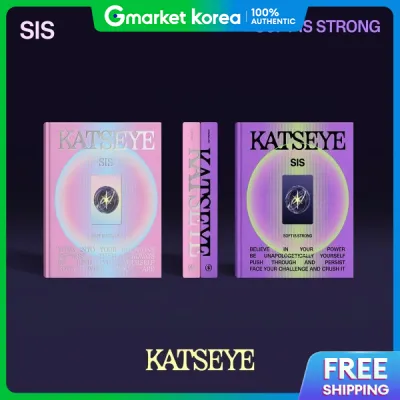
Prices are valid at publication and may change. Please refer to the product page for the latest price.
Furthermore, collectors should exercise caution when relying solely on unverified community rules or informal social media guides. While online collector communities offer valuable insights, some shared rules of thumb may be based on speculation or limited sample sizes. Cross-referencing physical observations with official product specifications, verified unboxing videos, and established collector databases remains the most reliable path to accurate verification.
Physical and Visual Checks for KATSEYE Cards
Conducting a physical inspection requires a controlled environment to ensure subtle details are not missed. Work in a well-lit space, preferably under natural daylight or a neutral white desk lamp, to accurately assess colors and surface textures. If possible, keep a known authentic reference card from the same release nearby; having a verified baseline makes it significantly easier to spot anomalies in thickness, print sharpness, and coating.

Begin your inspection by checking the primary physical dimensions of the card. Standard modern idol photocards typically measure approximately 55 mm by 85 mm, though minor variations can exist depending on the specific merchandise line or promotional event. Use a precise ruler or caliper to measure the card, and compare these measurements directly against the official product descriptions provided by the manufacturer or authorized distributors.
Print Quality, Alignment, and Colors
Official KATSEYE photocards are produced using high-grade industrial printing presses that deliver exceptional clarity and detail. When inspecting a card, look closely for signs of pixelation, blurriness, or unnatural color saturation. Counterfeit cards are often printed using lower-resolution digital printers or copied from digital scans, which frequently results in a loss of fine detail, muddy shadows, or overly harsh contrast compared to official promotional images.
Pay close attention to text alignment, font consistency, and the sharpness of fine details on both sides of the card. Official logos, copyright notices, and member names should feature crisp, clean edges without any bleeding or fuzziness. If the text appears slightly doubled, shaky, or poorly aligned with the card’s borders, it may indicate a substandard printing process typical of unauthorized reproductions.
Another common indicator of a counterfeit is the presence of moiré patterns or scanning artifacts. A moiré pattern appears as a wavy, repetitive dot matrix or grid overlay on the image, which occurs when an already printed photo is scanned and reprinted. Examine the solid color areas and skin tones under a magnifying glass or a smartphone zoom lens; official cards will display smooth gradients, whereas counterfeits often reveal a telltale pattern of tiny, irregular colored dots.
Cardstock Weight, Texture, and Edges
The tactile feel of a photocard is one of its most revealing characteristics. Assess the overall stiffness and thickness of the cardstock by gently holding it; official cards are printed on premium, heavy-weight paper that feels sturdy and resilient. If the card feels unusually flimsy, thin, or bends under minimal pressure, it is highly likely to be a counterfeit printed on standard commercial paper stock.
While photocards are not writing instruments, verifying their paper stock, ink type, and dimensional standards is essential. The water resistance, smudge resistance, and surface smoothness of the card depend entirely on the specific lamination or varnish applied during official manufacturing. Without official laboratory specifications, collectors can perform non-destructive, observable trials—such as checking how light reflects off the surface or testing the rigidity of the cardstock—to verify these material properties.
Finally, inspect the cut edges and corners of the card. Official photocards are die-cut using industrial machinery, resulting in perfectly smooth, rounded corners and clean edges. Run your finger along the perimeter to check for fraying, rough paper fibers, or uneven borders. Counterfeits produced on manual paper cutters often exhibit tiny paper tabs or nubs at the corners, asymmetrical rounding, or rough edges where the blade failed to make a clean cut.
Official Security Features and Packaging Details
Many official merchandise releases incorporate specific security features to deter counterfeiting, such as holographic overlays, embossed logos, or metallic foil stamping. These features vary significantly depending on the specific album version or event release. Carefully inspect these elements to ensure they are integrated smoothly into the card’s surface rather than appearing as cheap, easily peeled stickers or unevenly applied foils.
The back of the photocard is just as important as the front. Compare the back design, including the exact placement of copyright text, logos, and barcodes, against verified unboxing videos or official store listings. Counterfeiters often focus their attention on perfecting the front image, leaving the back design with incorrect fonts, misaligned elements, or outdated copyright years that do not match the specific release timeline.
If you purchased the card as part of a sealed set or album, inspect the original packaging for signs of tampering or poor-quality reprinting. Official packaging should feature clean seals, sharp printing, and matching batch or manufacturing codes. Mismatched fonts on the outer box, blurry barcodes, or packaging materials that feel unusually cheap can serve as early warning signs that the contents inside may not be authentic.
Evaluating Third-Party Sellers and Online Marketplaces
When sourcing KATSEYE cards from third-party sellers on e-commerce platforms or online marketplaces, evaluating the seller’s credibility is your first line of defense. Thoroughly review the seller’s ratings, transaction history, and customer feedback. Look specifically for detailed reviews from other collectors, paying close attention to any past complaints regarding merchandise authenticity, slow shipping, or poor packaging.
Always scrutinize the listing photos before making a purchase. Be highly cautious of listings that rely solely on official stock images, promotional graphics, or low-resolution photos. A reputable seller should be willing to provide clear, high-resolution photos of the actual card’s front and back, preferably taken against a neutral background with a handwritten note containing their username and the current date to prove possession.
Price is another critical indicator of authenticity. Compare the seller’s asking price against the established market value and official retail prices. While finding a good deal is always exciting, a rare or highly sought-after card listed for a price in S$ that is significantly below its typical market value should be treated with skepticism. If a deal seems too good to be true, it often points to an unauthorized reproduction.
Steps to Take If You Receive a Suspected Fake
If you receive a photocard and suspect it is a counterfeit, the first step is to document the item thoroughly. Take clear, high-resolution photographs of the card from multiple angles under bright, neutral lighting, focusing on the specific areas of concern such as blurry print, rough edges, or incorrect back designs. Additionally, record a continuous, unedited video showing the card’s flexibility, surface reflection, and any packaging it arrived in.
Once you have gathered your evidence, initiate a formal return or refund request through the e-commerce platform’s official dispute resolution channel. Clearly state that you believe the item is counterfeit, and upload your photos and videos as objective proof. Most major online marketplaces have robust buyer protection policies that cover counterfeit merchandise, provided you submit clear evidence within the allowed dispute window.
Throughout this process, avoid confronting the seller aggressively or engaging in emotional arguments. Keep all communication professional, objective, and centered on the physical discrepancies you have documented. Rely on the platform’s established policies and mediation services to resolve the issue, as presenting clear, factual evidence is the most effective way to secure a successful refund.
Frequently Asked Questions (FAQ)
Can I use a UV light to check KATSEYE card authenticity?
While some official music merchandise utilizes UV-reactive inks or hidden watermarks as a security measure, this feature is not universal and depends entirely on the specific release. Before relying on a UV light test, check the official manufacturer specifications or verified collector guides to confirm if the specific card series was produced with UV-sensitive elements. If the release does not officially feature UV-reactive components, a UV light test will not provide a reliable indication of authenticity.
Do official KATSEYE cards always come with a certificate?
Standard photocards included in albums, standard merchandise packages, or distributed as general event perks do not typically come with individual certificates of authenticity. Such certificates are generally reserved for highly limited-edition items, specially numbered collectible sets, or high-value autographed merchandise. To determine if a card should include a certificate, always verify the official product description and inclusion list provided by the authorized distributor at the time of release.

Community discussion
Share your experience or ask a question. Comments are reviewed before publication.