
Verifying the authenticity of Wang Yibo merchandise requires a careful examination of official licensing markers, print quality, and authorized retail channels. Because counterfeit items often cut corners on production materials and security features, performing a systematic inspection before and after purchase is the most reliable way to ensure you are receiving genuine products. By understanding what to look for, you can protect your collection and support the artist directly.
Common Red Flags in Counterfeit Idol Merchandise
Identifying counterfeit merchandise often begins with noticing immediate discrepancies in pricing, packaging, and overall presentation. Official merchandise is produced under strict quality control standards, meaning that any deviation in the physical product or its sales context should raise immediate concern.
One of the most common indicators of a counterfeit item is an unusually low price. If a listing for a highly sought-after collectible is priced significantly below the standard retail rates seen on official channels, it is highly likely to be a reproduction.
Products mentioned in this guide
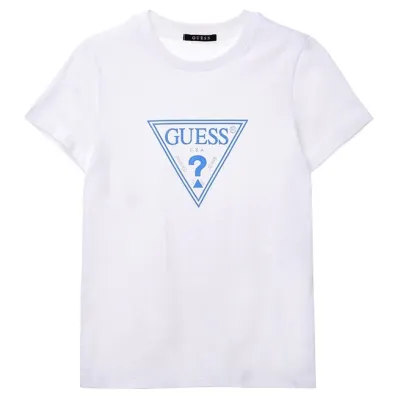
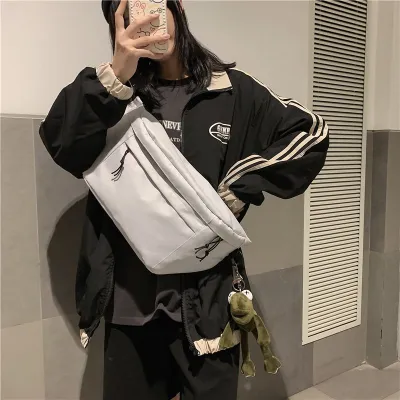
Prices are valid at publication and may change. Please refer to the product page for the latest price.
Missing or poorly replicated security features are another major warning sign. Official releases frequently feature holographic stickers, unique serial numbers, or custom branding elements that are difficult and expensive for counterfeiters to copy accurately.
Poor print quality and structural issues also betray fake goods. You should look out for blurry images, off-center logos, incorrect color profiles, or flimsy packaging materials that lack the structural integrity expected of official releases.
Step-by-Step Physical Authenticity Checks
Performing a systematic physical check allows you to evaluate the merchandise using both visual and tactile assessments. By examining the packaging and the item itself, you can identify subtle manufacturing differences that distinguish genuine items from counterfeits.

Inspecting Packaging and Official Labels
When you receive the merchandise, start by examining the outer packaging, tags, and anti-counterfeiting labels. Genuine items typically arrive in high-quality, intact shrink wrap or custom-fit boxes that feature official brand logos and precise, crisp typography. Pay close attention to the alignment of the text on the spine and edges, as counterfeiters often struggle with exact alignment during their cutting and folding processes.
Look closely at the back and sides of the packaging for clear manufacturer details, licensing information, and standard compliance marks. Counterfeit packaging often omits these details entirely or contains spelling errors, blurry text, and pixelated logos. You can also check the barcode format and placement, comparing it to verified unboxing videos or photos shared by official fan communities.
Many official releases include QR codes or scratch-off security labels designed to verify authenticity. When scanning these codes, ensure they direct you to recognized, official domains associated with the artist’s management or authorized partners rather than generic, suspicious, or newly registered websites. Be wary of sites that ask for unnecessary personal information or display unsecured connection warnings in your browser.
Evaluating Print Quality and Material Texture
Next, assess the physical build and visual fidelity of the item itself, such as a collectible photocard or acrylic standee. Compare the weight, paper stock thickness, or fabric texture against known official releases or high-quality standards. Official photocards, for example, are typically printed on premium, heavy-weight cardstock with a smooth, consistent coating that does not peel or crease easily.
Examine the printing closely under good lighting to check for sharp text, clean edges, and accurate color reproduction. Counterfeit printed goods often suffer from pixelation, color bleeding, or a noticeable lack of detail in the artist’s portrait. Look for the fine details in the eyes, hair, and background patterns, as these are the hardest elements to replicate without high-resolution source files.
Finally, inspect the assembly quality, such as the binding of photobooks, the stitching of apparel, or the cut edges of acrylic stands. Official merchandise maintains clean finishes, whereas fakes often show rough edges, loose threads, or weak glue joints from rushed mass production. For acrylic items, check the clarity of the plastic; official stands are crystal clear and free of bubbles, scratches, or cloudy patches.
Verifying Official Licensing and Authorized Retailers
Confirming that a seller is officially permitted to distribute the merchandise is one of the most effective ways to avoid counterfeit products. Official distribution channels are typically announced directly through verified platforms.
Before making a purchase, cross-reference the seller with official announcements from the artist’s management, studio, or official fan club channels. These entities regularly publish lists of authorized retail partners and official flagship stores for new product launches. Purchasing directly from these designated sources is the safest way to guarantee authenticity.
Be sure to distinguish between official flagship stores, authorized distributors, and unauthorized third-party resellers on general e-commerce platforms or online marketplaces. While third-party sellers may claim to offer genuine items, they lack the direct supply chain verification of authorized partners. Many online marketplaces host individual sellers who source their stock from unverified factories, making it crucial to check seller ratings and customer feedback before buying.
For high-value or limited-edition items, do not hesitate to request proof of purchase, authorization certificates, or official invoices from the seller. A legitimate seller who has sourced their inventory from official channels should be able to provide clear documentation of the item’s origin. If a seller is evasive, refuses to provide photos of the actual item, or uses stock images exclusively, it is best to look elsewhere.
What to Do If You Suspect a Counterfeit Purchase
If you receive an item and suspect it is counterfeit, taking prompt and organized action can help you secure a refund and prevent further unauthorized sales. Documenting the entire unboxing process is highly recommended to establish clear evidence.
Begin by taking clear, well-lit photos and videos of the item, its packaging, and any security labels from multiple angles. Highlight the specific areas where the product fails to meet official standards, such as blurry printing, misaligned logos, or missing labels. Keep the original shipping box and label intact, as they contain tracking details that prove the item came from the seller in question.
Contact the customer support team of the e-commerce platform or online marketplace where you made the purchase to initiate a return or dispute. Provide your gathered photographic evidence and explain the specific discrepancies that indicate the item is counterfeit. Most major platforms have buyer protection policies that cover counterfeit goods, provided you report the issue within the designated return window.
Additionally, consider reaching out to the official management or relevant anti-piracy channels associated with the artist to report the unauthorized seller. Sharing the seller’s store name, listing links, and location details helps protect the wider community from purchasing fake merchandise and assists management in taking legal action against counterfeiters.
Frequently Asked Questions (FAQ)
Can I rely solely on price to identify fake Wang Yibo merchandise?
While an extremely low price is a strong red flag, you cannot rely solely on price to determine authenticity. Some counterfeiters price their fake items close to official retail rates to make them appear legitimate and deceive unsuspecting buyers. To make a safe purchasing decision, always combine price checks with thorough physical inspections and retailer verification.
Do all official idol merchandise items have holographic security stickers?
No, security features vary significantly depending on the product type, release batch, and the specific manufacturer involved. Some official items may use holographic stickers, while others rely on unique serial numbers, custom packaging designs, or digital verification codes. It is best to check official product announcement photos or descriptions to confirm which specific security markers apply to the exact item you are purchasing.
Community discussion
Share your experience or ask a question. Comments are reviewed before publication.