
Identifying authentic TWICE merchandise online requires a keen eye for physical manufacturing details, security features, and digital synchronization. As one of the world’s most popular K-pop groups, TWICE has a massive global fanbase, making their albums, lightsticks (Candy Bongs), and highly collectible photocards prime targets for counterfeiters. To protect your collection and ensure your purchases support the artists, you must verify key indicators such as official JYP Entertainment holographic stickers, precise cardstock cutting, and Bluetooth app compatibility before finalizing any transaction.
The Risks of Buying Fake TWICE Merchandise
The immense popularity of TWICE has led to a surge in counterfeit merchandise across various online marketplaces, social media platforms, and unofficial web stores. Counterfeiters target everything from limited-edition albums to rare photocards, exploiting fans who are searching for sold-out items or discounted prices. For collectors, purchasing these unauthorized goods presents several practical and financial risks.
First, counterfeit items are manufactured with substandard materials, leading to rapid degradation, faded prints, and fragile plastics. Electronic items like lightsticks lack official warranties, meaning a defective unit cannot be repaired or replaced by the manufacturer. Furthermore, unofficial sales do not contribute to TWICE’s official music chart achievements, such as the Hanteo or Circle charts. This means your hard-earned money fails to support the group’s comeback milestones and physical sales records.
Products mentioned in this guide
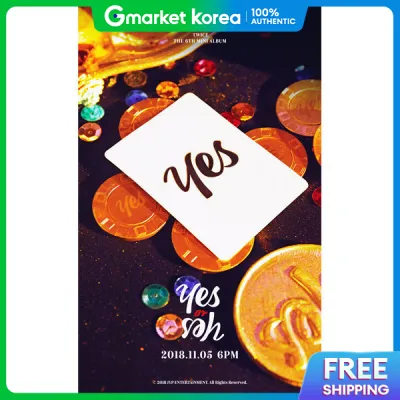



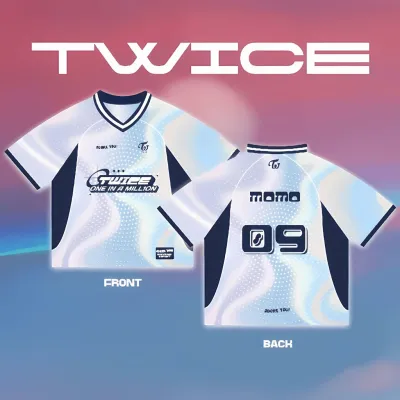
Prices are valid at publication and may change. Please refer to the product page for the latest price.
When shopping online, it is crucial to recognize that counterfeiters have become highly sophisticated. No single visual cue is entirely foolproof on its own. Reliable authentication requires a systematic approach that combines physical inspections, tactile checks, and digital verification methods to confirm that an item is genuine.
How to Inspect TWICE Albums for Authenticity
Official TWICE albums are premium physical products designed with high manufacturing standards. Examining the outer packaging and internal components will quickly reveal whether an album is an official release or a cheap reproduction.

Inspecting Packaging and Security Seals
The first line of defense is the official JYP Entertainment hologram security sticker, typically located on the back of the album packaging. Genuine stickers feature complex, multi-layered holographic patterns that shift dynamically in color—transitioning smoothly from gold to silver or displaying a vibrant spectrum—when tilted under a direct light source. These stickers often incorporate the official JYP logo or Korea Music Copyright Association (KOMCA) details, printed with sharp, microscopic precision.
In contrast, counterfeiters often use flat, purely reflective silver foil or static, low-resolution printed images that do not display any depth or color shifting when rotated. Beyond the sticker, inspect the shrink wrap and outer box cutting. Official albums are sealed in tight, professional-grade shrink wrap with neat, clean seams. Counterfeit packaging often feels flimsy, utilizes loose or crinkly plastic wrap with uneven, hand-sealed seams, and may feature rough or misaligned box edges.
Evaluating Booklet and CD Quality
Once the album is unsealed, the internal photobook and CD provide immediate clues. Official photobooks are printed on heavy, high-opacity coated paper stock (typically ranging from 120 to 150 gsm) that prevents ink bleed-through and provides a solid, premium feel. The binding is clean and durable, ensuring pages do not easily detach. The print resolution is exceptionally sharp, with vibrant, accurate color grading and crisp text alignment.
Counterfeit photobooks are almost always printed using scans of genuine books, which introduces noticeable flaws. Look for slightly blurry text, pixelated skin tones, or an unnatural color cast, such as a heavy pink, yellow, or green tint. When inspecting the CD, check the inner plastic ring for etched matrix codes, which include the album’s unique catalog number and manufacturer press codes. Genuine CDs have perfectly smooth center holes and clean outer edges, whereas counterfeit discs often feature rough plastic burrs, off-center disc artwork, and pixelated printing.
How to Verify Genuine TWICE Lightsticks
The TWICE Candy Bong is a highly sought-after electronic collectible, making it a frequent target for high-profit counterfeiting. Verifying both its physical build and its digital capabilities is essential to ensure you are getting an authentic device.
Assessing Build Quality and Materials
An authentic Candy Bong (including the Candy Bong Z and Candy Bong Infinity) has a distinct physical weight and balance. It is constructed from premium, dense ABS and polycarbonate plastics that feel solid and durable. The circular head features a crystal-clear, transparent dome that is highly resistant to scratching. The plastic molding seams along the handle and around the head are virtually seamless, showing no signs of rough edges or excess plastic.
Counterfeit lightsticks, by comparison, feel noticeably lighter and hollow due to cheaper, thinner plastics. You will often find visible glue residue inside the transparent dome, a cloudy or easily scratched plastic shell, and misaligned molding seams that feel sharp to the touch. Additionally, open the battery cap to inspect the compartment. Genuine units feature clean, robust metal contacts, precise molding for the battery holder (which requires three AAA batteries), and clear safety markings. Fakes often have thin, easily bent spring coils, loose battery holders, and a strong chemical plastic odor.
Testing App Connectivity and Firmware
Digital integration is the most definitive way to authenticate a TWICE lightstick. Genuine Candy Bongs are equipped with official Bluetooth microchips designed to connect seamlessly with the official concert control applications on iOS and Android. This connectivity allows the lightstick to synchronize with central venue controls during live concerts, changing colors in unison with the crowd.
To test your device, download the official Candy Bong app and attempt to pair the lightstick via Bluetooth. A genuine lightstick will pair quickly, allow you to adjust colors via the in-app color wheel, and successfully receive official firmware updates. Counterfeit lightsticks almost always fail to pair with the official app, display connection error messages, or lack the Bluetooth synchronization chip entirely. Some fakes may only cycle through a few basic static colors when the physical power button is pressed, completely lacking any digital responsiveness.
How to Spot Fake TWICE Photocards
Photocards are the most highly traded and collected items in the K-pop community, and their small size makes them incredibly easy for counterfeiters to replicate. However, understanding printing techniques and cardstock physical properties will help you identify fakes.
Analyzing Print Quality and Color Grading
Official TWICE photocards are manufactured using high-definition industrial offset lithography. This professional printing method produces incredibly fine, uniform ink patterns that are sharp even under close inspection. Facial details, such as the eyes and individual hair strands, are crisp, and the color grading is balanced to show natural, realistic skin tones.
Because counterfeiters typically print fakes using scanned images and consumer-grade digital printers, they cannot replicate this level of detail. Under a magnifying glass or a smartphone zoom lens, fake photocards will display muddy, pixelated halftone dots. The images often suffer from poor color grading, appearing overly saturated, dark, or displaying a noticeable color cast (such as a heavy green, yellow, or magenta tint) that obscures fine details in the shadow areas.
Checking Edges, Textures, and Foil Stamping
The physical dimensions and tactile feel of the card are crucial checkpoints. Standard TWICE photocards measure exactly 55mm by 85mm with rounded corners, designed to fit perfectly into standard 56mm x 87mm protective sleeves. Official cards are printed on thick, premium cardstock that resists easy bending and has a smooth, consistent coating.
Examine the edges and corners closely. Genuine cards are cut cleanly using industrial die-cutters, leaving perfectly smooth, rounded corners. Many official photocards also feature tiny “press tabs”—small, circular bumps on the edges where the cards were detached from the printing sheet during manufacturing. Fakes often have rough, frayed edges or perfectly smooth corners that lack these characteristic manufacturing marks. Furthermore, if the card features special elements like holographic patterns, embossing, or foil stamping, the texture should be deeply pressed and perfectly aligned with the printed design. On counterfeit cards, holographic effects are often just a cheap, glossy laminate sheet glued on top, which can easily peel at the corners.
Using Official Security Features and Verification Tools
JYP Entertainment employs several security measures to help fans verify their purchases. Knowing how to utilize these official tools provides an objective layer of security.
Always check the specific hologram sticker designs and batch codes printed on the back of the merchandise packaging. For certain releases, the agency includes security QR codes or serial numbers that can be scanned or entered into official verification portals. When scanning these codes, ensure they direct you to a secure, official JYP domain. Be cautious, as sophisticated counterfeiters sometimes print fake QR codes that link to mock-up websites designed to mimic official verification pages.
Avoid relying solely on unofficial, third-party “authentication” services, social media accounts, or unverified community forums. While community-created guides can serve as helpful references, they lack direct access to manufacturing specifications and cannot provide a definitive or legally binding verification.
Where to Buy Authentic TWICE Merchandise
The most effective way to avoid counterfeit products is to purchase exclusively from secure, reputable retail channels.
First and foremost, prioritize official channels. These include the JYP Shop (the official global store), the official TWICE online store, and authorized retail partners in Singapore, such as established physical K-pop specialty stores located in major shopping malls. Buying from these sources guarantees that your merchandise is authentic and that your purchase directly supports the group.
If you are navigating third-party e-commerce platforms, take extra precautions. Look for sellers with “Official Mall,” “Preferred,” or “Authorized Seller” badges, which indicate a verified business history. Read recent customer reviews carefully, paying close attention to those that include photo and video evidence of the sealed product, holographic stickers, and unboxing processes. Avoid listings that use generic stock photos or offer prices that seem too good to be true, such as a lightstick priced significantly below the standard retail range of S$60 to S$80 (SGD). Finally, exercise extreme caution when buying “unsealed” albums, “factory defect” items, or second-hand merchandise from individual sellers on social media platforms or online classifieds, as these carry a high risk of containing counterfeit components.
Steps to Take If You Receive a Counterfeit Item
If you suspect you have been sold a fake item, taking immediate, documented action is essential to secure a refund and protect other buyers.
First, always record a continuous, unedited video of yourself opening the package from the moment you cut the shipping seal. Ensure the shipping label, tracking number, and seller details are clearly visible in the frame. This unboxing video serves as indisputable proof of the condition in which the item arrived. Take high-resolution, well-lit photos of the specific areas of concern, such as blurry print quality, misaligned hologram stickers, rough plastic molding, or a failure to connect to the official app.
Next, file a dispute. Contact the e-commerce platform’s customer support or dispute resolution center immediately. Submit your unboxing video and photographic evidence to request a full refund under their buyer protection policy. Finally, leave an objective, factual review on the seller’s page to warn other collectors. Detail the exact physical discrepancies you found, but maintain a professional tone and avoid defamatory language or unverified personal accusations.
Frequently Asked Questions (FAQ)
Can I authenticate a TWICE album if the hologram sticker is damaged or missing?
Yes, you can still authenticate the album. While a missing or damaged sticker is a red flag, you can verify authenticity by checking the CD’s inner ring matrix codes, inspecting the paper weight and print resolution of the photobook, and confirming the precise dimensions of the packaging.
Do all genuine TWICE photocards have a holographic finish?
No, they do not. The finish of a photocard depends entirely on the specific album version, pre-order benefit (POB) distributor, or promotional event. Many official photocards feature standard matte or glossy finishes, so the absence of a holographic effect does not automatically mean the card is counterfeit.
Is it safe to buy TWICE merchandise from local physical stores in Singapore?
Generally, yes, provided you buy from established, reputable K-pop specialty retailers or official pop-up shops. However, always inspect the outer packaging for the official JYP Entertainment hologram sticker and check for clean shrink-wrapping before making your purchase.
Community discussion
Share your experience or ask a question. Comments are reviewed before publication.