
To verify whether an lngshot photocard is genuine, you must look beyond a single security feature and instead perform a comprehensive evaluation of print quality, material feel, and seller reputation. Because counterfeiters continuously improve their replication techniques, relying solely on a holographic sticker or a QR code can lead to costly mistakes. A systematic approach—comparing the card’s physical dimensions, paper stock rigidity, and print resolution against known official releases—remains the most reliable way to protect your collection.
Why Verifying lngshot Photocards Matters
Collecting K-pop merchandise represents a significant emotional and financial investment in supporting your favorite artists. Genuine photocards hold tangible value within the collecting community, serving as the centerpiece of trades and displays. When counterfeit items enter the market, they dilute the integrity of the hobby, leaving collectors with worthless replicas that fail to support the official creators.
Trading in the secondary market requires trust. Acquiring or trading a fake card, even unintentionally, can damage your reputation within local collector circles. Mastering authenticity verification contributes to a safer, more transparent marketplace where genuine support for the artists is preserved.
Products mentioned in this guide



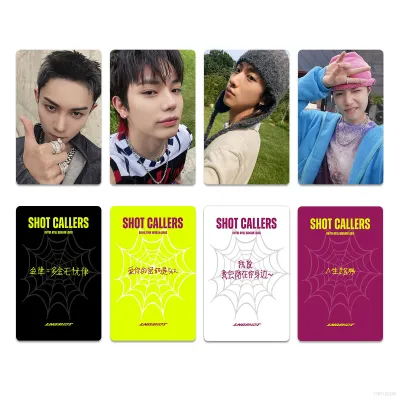
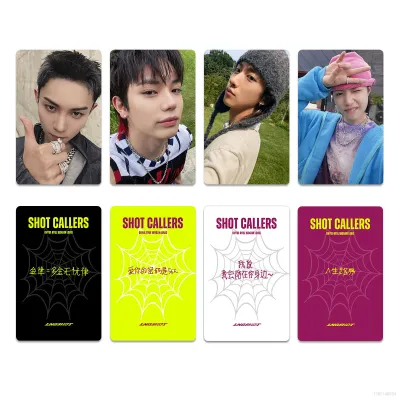

Prices are valid at publication and may change. Please refer to the product page for the latest price.
Visual and Tactile Checks for Authenticity
A physical inspection is your first line of defense when evaluating an lngshot photocard. Genuine cards are produced using high-grade industrial printing presses that deliver exceptional resolution and color fidelity. Under a magnifying glass or a smartphone camera zoomed in close, official cards display clean, sharp details without visible dot patterns or pixelation. If the image appears slightly blurry, grainy, or exhibits unnatural color shifts—such as an overly warm or cool tint—it is highly likely a reproduction.

When inspecting the print resolution, look closely at the eyes and hair of the artist, as these areas contain the finest details that are hardest to replicate. Counterfeit cards often lose definition in these high-contrast zones, resulting in a muddy or flat appearance.
The tactile feel of the paper stock provides immediate clues about its origin. Official photocards are printed on premium, heavy-weight paperboard that offers a distinct rigidity and snap when gently flexed. Counterfeiters often use thinner, cheaper paper stocks that feel flimsy, bend too easily, or lack the characteristic stiffness of official merchandise. Additionally, pay close attention to the surface finish; genuine cards feature a smooth, uniform coating, whether matte or glossy, that does not feel sticky or excessively plastic-like.
Cutting precision is another critical indicator of authenticity. Official manufacturing processes utilize highly calibrated die-cutting machinery to ensure every card has perfectly rounded corners and identical dimensions. Measure the card carefully and compare its corner radius to a known genuine card from the same release. Rough or uneven edges, tiny paper tabs left over from manual cutting, or asymmetrical corners are clear signs of a counterfeit production run.
Common Red Flags in Counterfeit Photocards
Counterfeiters often struggle to replicate the precise typography and branding elements found on official lngshot merchandise. Inspect the back of the card closely, focusing on the font weights, spacing, and alignment of logos and copyright text. On fake cards, text often appears slightly thicker, thinner, or fuzzier than on genuine versions because the artwork has been scanned and re-printed rather than produced from original digital files.
Additionally, check the alignment of the image on the front of the card. While minor centering shifts can occasionally occur in official factory runs, extreme misalignments or cropped borders usually point to a poorly calibrated third-party print job.
Material inconsistencies are particularly obvious when examining the edges and layers of the card. Genuine cards are typically constructed from multi-layered paperboard, which can sometimes be observed as a clean, solid white or sandwich-like edge. Counterfeit cards may show peeling at the corners or reveal a greyish, low-quality recycled paper core. If the card feels unusually thick but lacks rigidity, it may be due to a thick, cheap laminate applied to mask poor paper quality.
Special surface treatments, such as holographic foils, spot gloss, or metallic embossing, are difficult and expensive to replicate accurately. On counterfeit photocards, holographic patterns often look dull, misaligned, or lack the vibrant color play of the original. In some cases, the holographic layer may begin to peel off at the edges, indicating a cheap adhesive film was applied over a standard print rather than being integrated during the professional manufacturing process.
Evaluating Packaging and Official Security Features
When purchasing a photocard that comes with its original packaging, such as an album, a special event sleeve, or a promotional envelope, inspect these outer materials with equal scrutiny. Official packaging is produced to the same high standards as the cards themselves, featuring crisp printing, accurate branding, and robust materials. Flimsy envelopes, blurry packaging text, or mismatched color schemes on the outer box are immediate warning signs that the contents inside may also be counterfeit.
Many modern collectible brands incorporate security features like custom holograms, serial numbers, or QR codes on their packaging or the cards themselves. When present, these features should be verified against the brand’s official guidelines or verified database. However, do not assume a QR code is authentic simply because it scans; instead, verify that the destination URL points to the official, secure brand domain rather than a convincing lookalike site.
It is also important to recognize that security features vary widely across different releases. Some genuine promotional cards, broadcast event exclusives, or older releases may not feature complex holographic stickers or digital verification codes by design. Understanding the specific release history and checking community-verified databases for that particular card series will prevent you from falsely rejecting a genuine item that simply lacks modern security markers.
Navigating Safe Purchasing Channels
To minimize the risk of acquiring counterfeit items, prioritize purchasing directly from official brand stores, authorized distributors, or highly reputable physical stationery and music shops. These channels offer guaranteed authenticity and direct support for the artists. When buying from official sources is no longer an option—such as when searching for out-of-print or rare promotional cards—you must exercise extreme caution on secondary markets.
In Singapore, local collector meet-ups and specialized trading events offer excellent opportunities to inspect cards in person before completing a transaction. This hands-on approach completely eliminates the guesswork associated with online photos.
When evaluating third-party sellers on online marketplaces, look for established accounts with a long history of positive feedback specifically for trading K-pop merchandise. Request clear, high-resolution photos or videos of the card under direct lighting, including close-ups of the edges and back. Reliable sellers are usually willing to provide proof of purchase, such as original order confirmations or store receipts, to verify the card’s provenance.
Be highly skeptical of listings where the price is significantly lower than the typical S$ market rate for that specific card. If a rare or highly sought-after photocard is priced as a bargain, it is almost certainly a counterfeit or a scam. Avoid sellers who refuse to provide additional photos, pressure you into quick transactions, or insist on using payment methods that do not offer buyer protection.
Steps to Take If You Receive a Fake Photocard
If you suspect you have received a counterfeit photocard, act quickly to document the evidence. Take clear, well-lit photographs and videos of the card from multiple angles, focusing on the specific areas of concern such as blurry print, incorrect dimensions, or poor edge cuts. If possible, place the suspect card side-by-side with a known genuine card from your collection to clearly demonstrate the differences in quality, color, and thickness.
Contact the seller immediately to express your concerns and present your documented evidence in a polite but firm manner. In many cases, honest sellers who were unaware they possessed a counterfeit will offer a prompt refund or exchange to protect their rating. If the seller is uncooperative or unresponsive, escalate the issue by opening a formal dispute through the online marketplace’s customer support or resolution center.
Familiarize yourself with the buyer protection policies of the platform you used for the transaction. Most reputable ecommerce platforms have strict rules against the sale of counterfeit goods and will facilitate a refund if you can provide clear evidence of the item’s non-original status. Keep all communication within the platform’s official messaging system to ensure you have a verifiable record for the dispute resolution team.
Frequently Asked Questions (FAQ)
Can I authenticate a photocard just by scanning a QR code?
No, you cannot rely solely on scanning a QR code to verify authenticity. Counterfeiters can easily copy a genuine QR code and print it onto fake cards, which will then redirect you to the official website when scanned. Always check the destination URL carefully to ensure it is the official brand domain, and combine this check with physical inspections of the card’s print quality and paper weight.
Are all genuine lngshot photocards holographic?
No, not all official lngshot photocards feature holographic finishes or special foil treatments. The design depends entirely on the specific album version, event, or promotional release. To confirm whether a card should have a holographic effect, consult official product descriptions, unboxing videos from trusted collectors, or community-verified photocard templates for that specific release.
What if the seller claims the photocard is an unofficial fan-made version?
If a seller lists an item as an unofficial or fan-made version, it means the card is a reproduction and not official merchandise. While some collectors enjoy fan-made cards for personal display, these items have no official collectible or trade value. Ensure the listing explicitly states this status before purchasing so you do not pay official market prices for a replica.

Community discussion
Share your experience or ask a question. Comments are reviewed before publication.