
To determine if an lngshot photocard is authentic or fake, you must systematically evaluate its print resolution, paper stock thickness, edge cuts, and typography. Because counterfeiters have access to high-quality desktop scanners and commercial-grade digital printers, a single visual test is no longer sufficient to verify genuine K-pop collectibles. A successful verification requires a multi-step physical inspection, comparing the card under scrutiny with known official benchmarks.
The secondary market for idol merchandise in Singapore has grown rapidly, driven by collectors trading on peer-to-peer platforms and local community channels. This intense demand has made photocards a prime target for unauthorized reproductions, often referred to as “lomo cards” or high-quality replicas. While some sellers transparently label these as fan-made, others attempt to pass them off as official releases at premium prices. Understanding the precise physical markers of genuine merchandise protects your collection and ensures your money supports the official artists.
Key Features of Genuine lngshot Photocards
Authentic lngshot photocards are manufactured in specialized industrial printing facilities that adhere to strict quality control standards. These facilities use offset printing presses rather than standard digital printers, resulting in a level of detail and structural integrity that replica manufacturers cannot easily replicate. Familiarizing yourself with these standard factory specifications provides a reliable baseline for your inspection.
Products mentioned in this guide

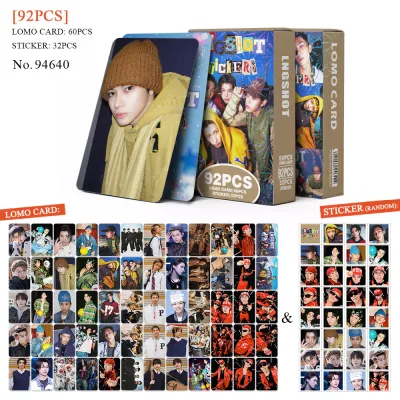
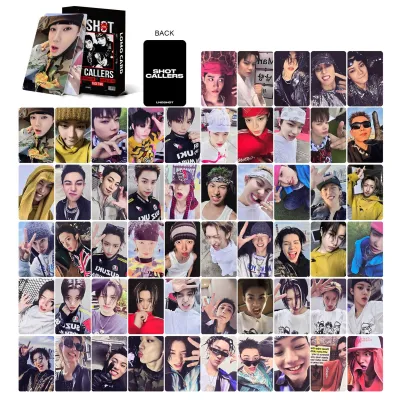


Prices are valid at publication and may change. Please refer to the product page for the latest price.
Print Quality, Resolution, and Color
Official printing processes utilize high-resolution source files directly from the entertainment agency or brand archives. This direct pipeline ensures that the final image exhibits exceptional clarity, natural skin tones, and smooth color gradients. When you inspect an authentic card, look closely at high-contrast areas, such as the boundary between the subject and the background, to confirm the lines are perfectly sharp.
Under close inspection, official cards reveal micro-details that are lost in unauthorized copies. You should be able to distinguish individual strands of hair, fine fabric textures in the clothing, and clear reflections in the eyes of the subject. The color grading on genuine cards is carefully balanced, avoiding the oversaturation, artificial sharpening, or muddy, warm-toned color shifts common in scanned replicas.
Paper Stock, Finish, and Edge Cutting
The physical feel of a photocard is one of its most defining characteristics. Official lngshot photocards are printed on premium, heavy-weight paper stock, typically ranging from 300 to 350 grams per square meter (gsm). This paper density gives the card a firm, resilient structure that resists minor bending and retains its flat shape over time. The surface finish—whether it is high-gloss, matte, or textured—is applied uniformly across the entire card, leaving no sticky residue or uneven patches.
Factory-cut edges are another critical indicator of authenticity. Industrial die-cutting machines stamp out thousands of cards simultaneously, producing perfectly rounded corners with clean, sealed edges. When you run your finger along the perimeter of an authentic card, the edge should feel smooth and uniform. There should be no signs of manual trimming, rough paper fibers, or tiny paper tabs (often left behind when cards are detached from a poorly perforated sheet).
Official Branding and Copyright Text
The back of an authentic photocard is just as important as the front. Official merchandise features clean, high-contrast branding, including official logos, specific copyright years, and legal text. The typography used on these cards is highly consistent, utilizing specific font weights and precise spacing designed by the official creative team.
On a genuine card, this text is printed with sharp, crisp vector lines that remain legible even at extremely small font sizes. The ink is applied evenly, ensuring that there is no bleeding, smudging, or ghosting around the letters. The alignment of the text and logos is perfectly centered or aligned according to the official design template, with no noticeable tilting or off-center drift.
Common Red Flags in Fake Photocards
Counterfeit cards are almost always produced by scanning an official card and printing the scanned image. This secondary reproduction process introduces systematic physical and visual flaws that are relatively easy to spot once you know what to look for. Recognizing these red flags allows you to quickly filter out suspicious listings.

Pixelation, Blurriness, and Moiré Patterns
Because replicas are created from scans rather than original digital files, they suffer from generational quality loss. This loss is most visible as general blurriness, especially around fine details like eyelashes, jewelry, or background textures. If you notice that the image looks slightly soft or out of focus compared to official photos, it is highly likely to be a fake.
Another visual defect is the moiré pattern, which appears as a faint, grid-like or wavy interference pattern over the image. This happens when a digital scanner captures the pre-existing halftone dot pattern of the printed original card and reprints it, creating a visual clash. Additionally, any holographic, foil, or metallic elements on fake cards often look flat, dull, or misaligned, lacking the vibrant, multi-dimensional color shifting of official foil stamps.
Flimsy Materials and Incorrect Dimensions
To maximize profit margins, counterfeiters frequently use cheaper, thinner paper stock that lacks the rigidity of official merchandise. A fake card will often feel noticeably flimsy, bending easily under minimal pressure and failing to spring back to its original flat shape. The protective coating on these cards is often a cheap, highly reflective plastic laminate that scratches easily and feels sticky or excessively rubbery to the touch.
Inconsistent sizing is another hallmark of unauthorized replicas. While official cards are produced to precise millimeter standards, replica cutting processes are far less accurate. If you measure a suspect card with a high-precision ruler, you may find that it is slightly smaller or larger than the official dimensions, or that the corners have an incorrect radius. Even a discrepancy of one millimeter is a strong indicator of a counterfeit production run.
Step-by-Step Verification Methods
To verify your lngshot photocards with confidence, you should establish a structured testing routine. By combining visual comparison with physical and contextual analysis, you can significantly reduce the risk of keeping a fake card in your collection.
Side-by-Side Comparison with Official References
The most reliable way to authenticate a card is to compare it directly with a known genuine copy. If you do not own a verified original from the same print run, you can use high-resolution unboxing videos, official store promotional images, or verified fan databases. Look for specific reference points, such as where the edge of the card cuts off the subject’s shoulder or background elements, as fakes often have slightly different cropping.
Pay close attention to the exact color palette of the background and the placement of any text. Compare the alignment of the front image with the back design; on official cards, this alignment is highly consistent across the entire production batch. If your card shows a different crop, a shifted logo, or a noticeably warmer or cooler color temperature than the verified reference, it warrants closer inspection.
Evaluating Packaging and Provenance
The context in which a card is acquired provides valuable clues about its authenticity. Official photocards are typically distributed inside sealed album packaging, official merchandise boxes, or sealed blind bags. If you are purchasing a card secondhand, ask the seller to provide photos of the original packaging it came in, along with any included inserts, sticker sheets, or lyric booklets.
Provenance, or the history of the item’s ownership, is equally important. Reputable sellers should be willing to share their proof of purchase, such as a digital receipt or order confirmation from an authorized K-pop retailer. Be cautious of sellers who offer rare or highly sought-after cards in large quantities without any explanation of how they obtained them, or those who claim they “lost” all proof of purchase for multiple high-value items.
Where to Buy Authentic lngshot Merchandise Safely
To minimize the risk of encountering counterfeit items, you should prioritize secure purchasing channels. Buying directly from official brand websites, authorized K-pop specialty shops, or official fan club platforms is the safest way to guarantee that your merchandise is genuine. These retailers source their inventory directly from the manufacturers, eliminating the risk of secondary market tampering.
When navigating peer-to-peer marketplaces or online shopping platforms in Singapore, extra diligence is required. Look for sellers with high ratings, positive feedback specifically mentioning photocard authenticity, and a history of successful trades. Always request detailed, well-lit photos of the actual card under inspection—including macro close-ups of the corners, edges, and back text—rather than relying on stock images or low-resolution previews. Avoid deals where the price is significantly lower than the established market value, as highly discounted rare cards are almost always counterfeits.
What to Do If You Receive a Counterfeit Card
If your verification process reveals that you have received a fake lngshot photocard, you must act quickly to protect your purchase. Start by documenting the discrepancies immediately. Take clear, high-resolution macro photos of the counterfeit card next to your reference material, highlighting the specific areas of concern, such as blurry text, incorrect dimensions, or poor paper quality.
Once you have gathered your evidence, initiate a return or dispute through the buyer protection program of the platform where the transaction occurred. Present your side-by-side photographic comparisons and any communication with the seller clearly and objectively. To help maintain a safe collecting community, do not attempt to resell the counterfeit card to recoup your losses; instead, mark it clearly as a replica or dispose of it responsibly to prevent it from re-entering the secondary market.
Frequently Asked Questions (FAQ)
Can I use a UV light to verify lngshot photocards?
While some official entertainment agencies occasionally include UV-reactive security inks or watermarks on high-value merchandise, this is not a universal manufacturing standard for all photocards. Before relying on a UV or blacklight test, check official product announcements or verified collector databases to confirm if the specific lngshot release you are inspecting actually features UV-reactive elements.
Are digital receipts enough to prove a photocard is real?
A digital receipt from an authorized retailer proves that the seller purchased official merchandise, but it does not guarantee that the specific photocard they are sending you is the one associated with that receipt. Because receipts can be easily duplicated or paired with counterfeit cards, a physical inspection of the card’s print quality, paper stock, and edges remains necessary.
Do official photocards ever have printing errors?
Minor factory defects, such as slight off-centering, tiny ink spots, or faint press marks from packaging, can occasionally occur during official production runs. However, these isolated manufacturing anomalies are structurally distinct from the systemic flaws found in counterfeits, which typically exhibit low-resolution printing, incorrect paper weight, blurry text, and inaccurate dimensions across the entire card.
Community discussion
Share your experience or ask a question. Comments are reviewed before publication.