
Verifying the authenticity of G-Dragon merchandise requires a systematic approach focused on physical security markers, manufacturing quality, and seller transparency. As one of the most influential figures in K-pop and fashion, G-Dragon’s official releases—ranging from concert memorabilia and limited-edition stationery to high-end fashion collaborations—frequently attract counterfeiters. To protect your collection and ensure your money is well spent, you must look beyond the surface appeal of a listing and scrutinize the specific production details that replica manufacturers fail to replicate.
In Singapore’s active collector community, where fans regularly trade rare items online or at local pop-ups, distinguishing between genuine goods and high-quality counterfeits is essential. Genuine items hold their value and support the artist directly, whereas fakes offer poor durability and zero resale value. By learning how to spot official licensing markers, evaluate material standards, and identify suspicious seller behavior, you can navigate the secondary market with confidence.
Understanding the Risks of Counterfeit Idol Merchandise
The market for G-Dragon merchandise is highly competitive, driven by limited production runs, exclusive tour drops, and highly sought-after brand collaborations. This intense demand, combined with the rapid sell-out times of official releases, creates a highly profitable environment for counterfeiters. Replicas are produced quickly to capitalize on the hype, often appearing on unauthorized online marketplaces shortly after an official announcement.
Products mentioned in this guide
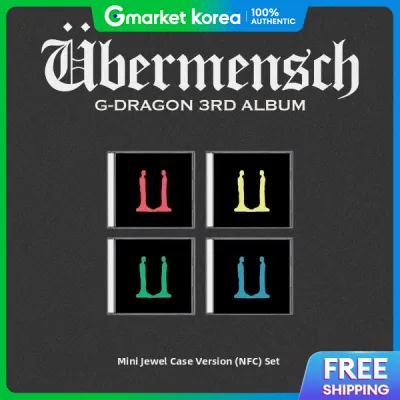
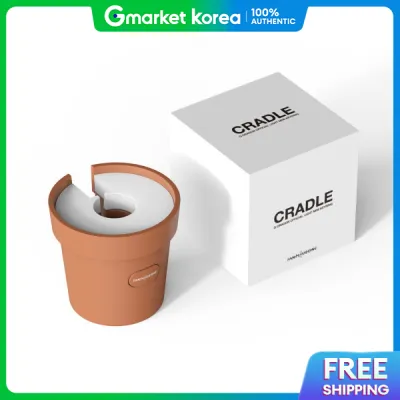
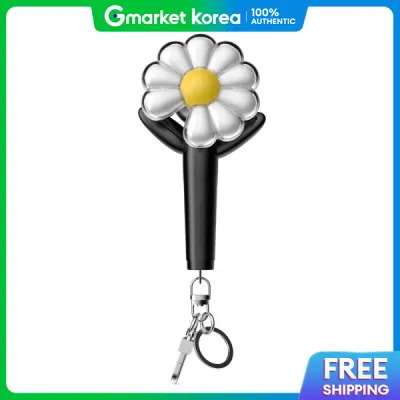
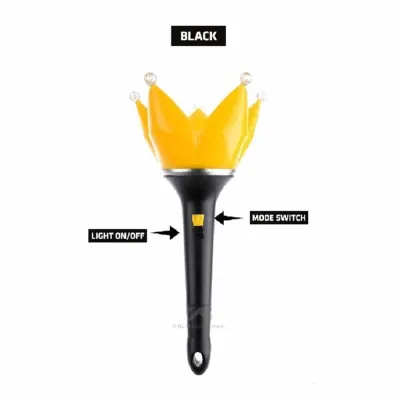

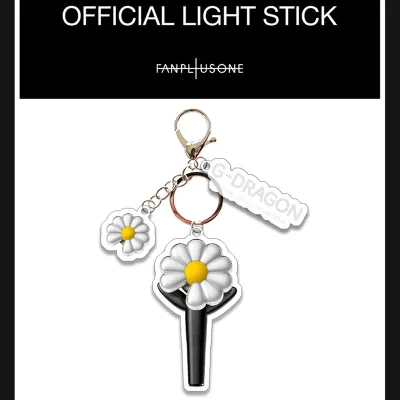
Prices are valid at publication and may change. Please refer to the product page for the latest price.
Purchasing counterfeit goods carries significant practical risks. Replicas of apparel, bags, and stationery items are almost always manufactured using inferior materials. For instance, counterfeit stationery like notebooks, planners, or collectible photo cards often feature thin, low-grade paper that suffers from ink bleeding and tearing. Apparel items frequently exhibit inaccurate sizing, rough fabrics, and weak stitching that unravels after a single wash.
From a financial perspective, paying premium prices for counterfeit items is a complete loss. Authentic G-Dragon collectibles, particularly limited-edition art books, stationery sets, and fashion accessories, often appreciate in value over time. Counterfeit items, however, hold absolutely no genuine collectible value in the fan community. If you unknowingly purchase a fake at a high price, you are left with an inferior product that cannot be resold or traded legitimately.
Key Physical and Visual Indicators of Authentic Merchandise
The most reliable way to verify G-Dragon merchandise is through a meticulous physical inspection. Official entertainment agencies and manufacturing partners employ specific security measures and high production standards that counterfeiters struggle to match.

First, always check for official licensing markers. Genuine merchandise from YG Entertainment or YG PLUS almost always features a proprietary holographic security sticker on the packaging or tag. When tilted under a direct light source, this sticker should display a clear, sharp, multi-layered reflective pattern, often incorporating the agency logo or a unique serial number. Counterfeit stickers are frequently flat, dull, or show a simple rainbow gradient without any depth. Additionally, inspect the copyright text printed on the packaging. Genuine items feature crisp, perfectly spelled legal attributions with consistent spacing, whereas fakes often contain subtle typos, blurred lettering, or outdated company names.
Second, evaluate the print and graphic quality, especially on stationery, posters, and photo cards. Official stationery items are printed using high-resolution industrial presses. The colors should be vibrant and true to the official promotional images, with sharp contrast and no visible pixelation. Examine the edges of text and logos; they should be perfectly clean and defined. On counterfeit photo cards and notebooks, you will often notice a slight blurriness, color bleeding, or a distinct color cast (such as an unnatural yellow or pink tint). The alignment of the graphics is another giveaway; official items maintain precise margins, while replicas are frequently off-center or have cropped borders.
Third, assess the physical materials and structural integrity. For stationery products like journals, planners, or art prints, verify the paper weight and texture. Authentic items use thick, premium paper stock that offers excellent bleed resistance when written on with gel pens or markers. The binding should be tight and secure, whether it is thread-bound or spiral-bound. For apparel and fabric accessories, feel the weight of the material and inspect the stitching. Genuine items feature heavy, high-quality fabrics and neat, double-stitched seams with no loose threads. Hardware components, such as zippers, buttons, or metal clasps on bags and keychains, should have a solid weight, smooth operation, and a clean, polished finish free of scratches or casting lines.
Red Flags to Spot Before Purchasing K-Pop Merchandise
Protecting yourself from counterfeits starts before you even make a payment. When browsing online marketplaces or social media resale groups, several warning signs can help you identify high-risk listings.
An unrealistically low price is the most common indicator of a counterfeit. Rare, sold-out, or vintage G-Dragon items, such as early concert goods or limited-edition collaboration stationery, command high prices on the secondary market. If a seller lists a highly coveted item for a fraction of its market value—such as offering a rare collectible for S$20 when its typical resale value exceeds S$100—it is highly likely to be a fake. Counterfeiters use low prices to entice quick sales from unsuspecting buyers who believe they have found a rare bargain.
Another major red flag is the quality of the listing images. Be highly suspicious of sellers who rely solely on official promotional graphics, blurry photos, or images with visible watermarks from other users. Legitimate resellers who actually possess the item will typically provide clear, high-resolution, well-lit photos taken from multiple angles. If a seller refuses to provide additional, personalized photos of the actual item—such as a photo with a handwritten note displaying their username and the current date—you should avoid the transaction entirely.
Furthermore, pay close attention to the product description and seller communication. Vague descriptions that avoid using terms like “official” or “authentic,” or those that use ambiguous phrases like “replica version,” “fan-made style,” or “factory overstock,” are clear indicators of counterfeit goods. Reliable sellers are transparent about the item’s origin, condition, and history, and they will not hesitate to provide clear answers to your questions.
Navigating Safe Purchasing Channels and Seller Verification
To minimize the risk of buying counterfeit G-Dragon merchandise, you should always prioritize secure purchasing channels and thoroughly verify the credibility of third-party sellers.
Whenever possible, purchase your merchandise directly from official sources. This includes the artist’s official webstores, authorized agency shops, official concert merchandise booths, and recognized retail partners. Buying from these channels guarantees authenticity and ensures that your financial support directly reaches the artist and their creative team.
When official channels are sold out and you must turn to secondary markets or online marketplaces, take the time to evaluate the seller’s profile. Look for sellers with a long history of positive feedback, high ratings, and successful transactions specifically involving K-pop merchandise. Read through previous buyer reviews to check for any complaints regarding product authenticity or poor packaging. Additionally, prioritize platforms that offer robust buyer protection programs and clear return policies, which allow you to secure a refund if the item is proven to be counterfeit.
Before finalizing a purchase from an individual reseller, request proof of the original purchase. This can include a digital order confirmation email, a physical store receipt, or a shipping invoice from an official retailer. Ensure that the dates, item descriptions, and order numbers on these documents align logically. For high-value collectibles, you can also ask the seller if they have an unboxing video from when they originally received the item, as this provides an unbroken chain of evidence verifying the item’s authenticity from the moment it arrived.
What to Do If You Suspect You Received a Fake Item
If you receive an item and suspect it is counterfeit, you must act quickly to document the evidence and secure your funds.
Start by thoroughly documenting the item. Take clear, high-resolution photos and videos under bright, natural light. Focus on the specific areas that raise suspicion, such as poorly printed logos, misaligned text, low-quality stitching, or a suspicious holographic sticker. Compare these details directly with verified photos of authentic items from official sources or trusted collector databases. Note down every discrepancy in writing, as this detailed comparison will serve as your primary evidence during a dispute.
Next, initiate a formal return or dispute process through the ecommerce platform where you made the purchase. Do not confirm receipt of the item or leave feedback, as this often releases the funds to the seller and limits your recourse. Submit your documented photos, videos, and written comparisons as evidence to support your claim that the item is counterfeit. Most reputable platforms have strict policies against the sale of counterfeit goods and will freeze the transaction while they investigate.
Finally, report the listing and the seller’s account to the platform administrators. Even if you successfully resolve your individual dispute, reporting the seller helps protect the wider community from falling victim to the same counterfeit operations. By taking these steps, you contribute to a safer, more transparent marketplace for all collectors.
Frequently Asked Questions (FAQ)
Can I authenticate G-Dragon merchandise using a QR code or app?
While some modern official merchandise releases incorporate scannable QR codes or specialized security tags that link to official verification portals, many standard items and older collectibles rely entirely on physical security features. You should never rely on third-party, non-endorsed authentication apps, as their databases are often incomplete or inaccurate. Always prioritize a comprehensive physical inspection of the holographic stickers, print quality, and materials over digital scans alone.
Are unofficial fan-made goods considered counterfeits?
Unofficial fan-made goods are independent creations designed by fans for fans, and they are generally accepted within the community as long as they do not falsely claim to be official. These items typically feature original artwork and do not replicate official logos, trademarked branding, or copyrighted images with the intent to deceive. Counterfeits, on the other hand, are unauthorized replicas specifically designed to mimic official merchandise and mislead buyers into believing they are purchasing a genuine, agency-licensed product.

Community discussion
Share your experience or ask a question. Comments are reviewed before publication.