
Spotting genuine EXO merchandise requires a systematic approach of examining physical print quality, verifying official holographic security stickers, and purchasing from reputable channels. As one of the most influential K-pop groups, EXO has a vast catalog of albums, photocards, and concert goods that are frequently replicated by unauthorized manufacturers. By learning how to inspect paper weight, check logo alignments, and validate security tags, fans can protect their collections and ensure their money supports the artists directly.
Why Authenticity Matters for EXO Collectibles
Buying official merchandise ensures that sales are tracked on major music charts like Hanteo and Circle Chart, which directly influences the group’s industry standing and awards. When fans purchase counterfeit items, none of the proceeds reach the entertainment agency or the artists, undermining their hard work and future projects.
Beyond supporting the artists, official merchandise is manufactured under strict quality control standards. Counterfeit goods often use cheap materials, lead-based inks, or poorly secured electrical components in items like lightsticks, which can pose safety hazards or deteriorate rapidly.
Products mentioned in this guide

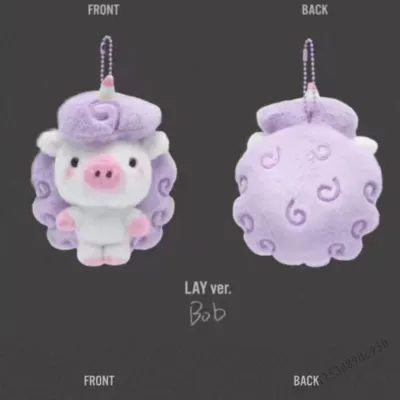
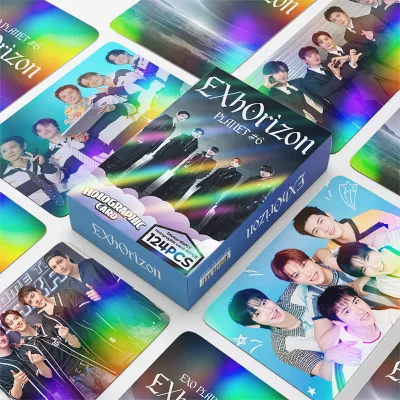
![[SG FREE ] 30PCS KPOP SEVENTEEN EXO WANNA ONE LOMO Photo Fans Card Official Postcards](https://img.lazcdn.com/g/p/04f611417229fab26cea1f4eb727a382.jpg_400x400q80.jpg_.webp)
Prices are valid at publication and may change. Please refer to the product page for the latest price.
The secondary market for highly sought-after items, such as out-of-print albums or limited-edition concert photocards, is particularly vulnerable to exploitation. Collectors frequently pay premium prices for rare items, making them prime targets for counterfeiters who replicate rare photocards with high-precision home printers.
Key Visual and Physical Checks for Genuine Merchandise
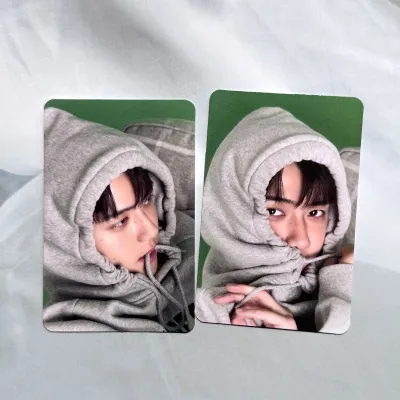
Official photocards and album jackets feature high-resolution printing with crisp details and accurate color saturation. Counterfeits often display slight blurriness, pixelation, or a noticeable color cast because they are frequently scanned from original cards and reprinted. Look closely at the edges of text and the fine details in the artists’ eyes or hair; genuine items maintain sharp lines even under close inspection.

Official paper collectibles, including photocards and postcards, are printed on specific cardstock weights that feel sturdy and rigid. Genuine photocards typically feature clean, rounded corners with smooth, machine-cut edges, whereas fakes may have rough edges, uneven corners, or tiny paper tabs left over from manual cutting. The lamination on official cards—whether matte, glossy, or holographic—is applied evenly without bubbling, peeling, or sticky residues.
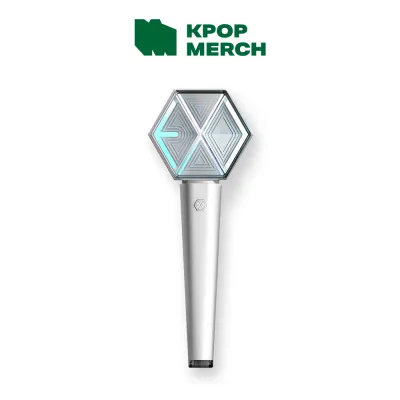
For physical items like lightsticks, apparel, or keyrings, material weight and texture are key indicators. Official lightsticks use high-grade plastics that feel solid and balanced in the hand, with flush seams and secure battery compartments. Counterfeits often feel unusually light, use thin plastic that creaks under pressure, or feature poorly aligned battery contacts that can cause the device to malfunction.
Packaging integrity is another critical checkpoint. Official boxes feature crisp, legible barcodes, perfectly aligned logos, and high-quality shrink-wrap that is tightly sealed without excessive wrinkles or messy heat-seal lines. Counterfeit packaging often suffers from misspelled words, blurry legal text, or off-center branding that indicates a lack of professional quality control.
Verifying Official Holograms and Security Tags
One of the most reliable ways to confirm authenticity is by inspecting the official holographic stickers applied to the back of albums and merchandise. These security labels, often issued by official distributors or the entertainment agency, feature intricate holographic patterns that shift colors and reveal hidden logos when tilted under a light source. Counterfeiters often try to replicate these stickers, but their versions usually lack the sharp detail, multi-layered depth, and smooth color transitions of the genuine holograms.
Over the years, the design of these security stickers has evolved. Older EXO releases may feature gold or silver KOMCA (Korea Music Copyright Association) stickers, while newer merchandise utilizes specialized agency-specific holographic labels with unique serial numbers or embedded QR codes. It is essential to cross-reference the sticker design with the specific release year of the item, as a modern sticker design on an older album is a clear sign of a reproduction.
For high-value items and recent releases, agencies sometimes integrate digital authentication features. These may include QR codes or security tags that can be scanned using designated mobile applications or official verification websites. When scanning these codes, ensure the URL directs you to the official domain of the agency or authorized distributor, rather than a lookalike website designed to mimic the authentication process.
Evaluating Seller Credibility and Purchase Channels
To minimize the risk of purchasing counterfeit goods, collectors should prioritize official brand stores, authorized global distributors, and established local K-pop specialty shops. These retailers source their inventory directly from the entertainment agency or licensed manufacturers, ensuring that every purchase is genuine and contributes to official music charts.
When navigating third-party listings on online marketplaces or e-commerce platforms, several red flags warrant caution. Listings that offer highly sought-after, out-of-print albums or rare photocards at unusually low prices are highly suspicious, as genuine collectors know the market value of these items. Additionally, sellers who rely solely on official stock photos rather than providing clear, original photographs of the actual physical item should be approached with skepticism.
Before committing to a transaction, especially on secondary markets, thoroughly evaluate the seller’s profile. Look for consistent positive reviews from other K-pop collectors, clear return policies, and a willingness to communicate. For high-value collectibles, do not hesitate to ask the seller for proof of purchase, such as an original order confirmation email or a receipt from an authorized distributor, with sensitive personal information redacted.
What to Do If You Suspect a Counterfeit
If you receive an item and suspect it is counterfeit, the first step is to document the evidence thoroughly. Take clear, well-lit photographs and videos of the item from multiple angles, focusing on the specific areas of concern such as blurry printing, uneven cutting, or a suspicious security sticker. If possible, place the item side-by-side with a verified genuine version of the same product or high-resolution reference images from trusted community databases to highlight the discrepancies.
Once you have gathered your documentation, initiate a return or refund request immediately through the e-commerce platform’s buyer protection or dispute resolution system. Most reputable online marketplaces have policies that protect buyers from counterfeit goods, provided the claim is filed within the designated return window. Present your photographic evidence and a clear, objective explanation of why the item is not authentic to support your case.
In addition to seeking a refund, report the counterfeit listing to the platform to prevent other fans from being misled. If the seller is uncooperative or the platform’s dispute resolution fails to resolve the issue, consumers in Singapore can consult local consumer protection resources, such as the Consumers Association of Singapore (CASE), for guidance on resolving disputes with registered businesses.
Frequently Asked Questions (FAQ)
Can I verify EXO merchandise authenticity using a lightstick app?
Yes, official EXO lightsticks are designed to pair with designated concert or fan applications via Bluetooth for seat syncing during live performances. Attempting to connect the lightstick to the official app is a practical verification step, as successful pairing and firmware updates strongly indicate a genuine product. However, because some advanced counterfeit manufacturers attempt to replicate basic Bluetooth connectivity, this test should not be used in isolation. For a conclusive result, always combine the app connection test with a thorough inspection of the physical build quality, battery compartment contacts, and the official holographic packaging sticker.
Are unofficial fan-made goods considered counterfeit?
Unofficial fan-made goods, often referred to as fan goods or fansite merchandise, are distinct from counterfeits. Fan-made items—such as custom slogans, art prints, or keychains—are created by fans for the community and are generally accepted if they are clearly marketed as unofficial and do not attempt to replicate official merchandise designs or use copyrighted logos deceptively. Counterfeits, on the other hand, are unauthorized reproductions specifically designed to deceive buyers into believing they are purchasing official, agency-released products. When shopping online, carefully read the product descriptions; reputable fan creators will clearly state that their items are fan-made or unofficial.

Community discussion
Share your experience or ask a question. Comments are reviewed before publication.