
To determine whether your ENHYPEN merchandise is authentic or counterfeit, you must evaluate a combination of physical security features, print precision, digital connectivity, and seller credentials. As the popularity of K-pop grows globally, counterfeiters have developed increasingly sophisticated replicas of albums, photocards, and concert goods. However, genuine items possess distinct manufacturing standards—such as specialized holographic licensing stickers, premium paper stock weights, and official app integration—that replica manufacturers struggle to duplicate perfectly. By systematically checking these details, you can protect your collection and ensure your money supports the artists directly.
Quick Verification Checklist for ENHYPEN Merch
To quickly assess the legitimacy of your items before finalizing a transaction or accepting a delivery, use this structured checklist:
- Verify the Seller: Ensure the seller is an authorized retailer or can provide a verifiable, unaltered proof of purchase from an official store.
- Inspect the Hologram: Look for the official licensing hologram sticker on the packaging. Authentic stickers reflect light dynamically, showing specific patterns and clean text.
- Examine Print Quality: Check photocards and album pages for high-resolution printing, smooth rounded corners, and thick, rigid paper stock.
- Test Digital Features: Connect electronic items, such as the official lightstick, to the official mobile application via Bluetooth to verify firmware compatibility.
Choosing Safe Purchasing Channels
Securing authentic ENHYPEN merchandise begins with selecting the right purchasing channel. The safest method is to buy directly from official brand stores or authorized distributors. These platforms receive inventory directly from the manufacturer, eliminating the risk of receiving counterfeit goods. When official stores sell out, fans in Singapore often turn to local music shops or specialized K-pop retailers that import goods directly from authorized sources.
Products mentioned in this guide
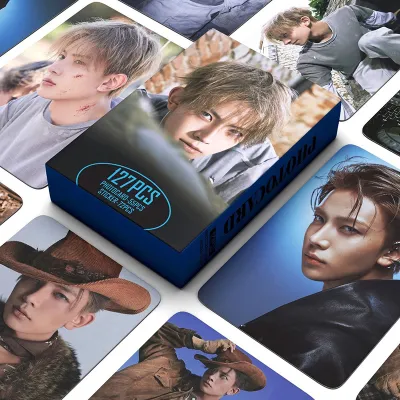
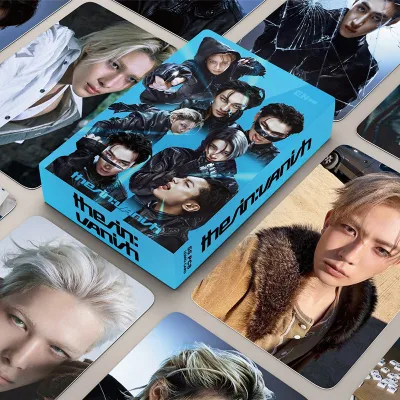
![[ALBUM] Enhypen [THE SIN : VANISH] Fugitive ver Sealed Album](https://img.lazcdn.com/g/p/645183a12f954ad72572d46723e5aedf.png_400x400q80.png_.webp)
Prices are valid at publication and may change. Please refer to the product page for the latest price.

In contrast, purchasing from unverified third-party sellers on peer-to-peer marketplaces or social media platforms carries a significantly higher risk. These spaces are flooded with replicas that are often priced similarly to genuine items to deceive unsuspecting buyers. If you choose to buy from individual sellers on these platforms, always request verifiable proof of purchase. This includes original digital receipts or order confirmation emails. To prevent fraud, ask the seller to provide a screen recording of them logging into their official store account and navigating to the order history, rather than accepting easily edited static screenshots.
Physical Inspection: Packaging, Print, and Materials
A thorough physical inspection is one of the most reliable ways to identify counterfeit ENHYPEN merchandise. Start by examining the outer packaging. Official albums and goods are wrapped in high-quality, tight shrink-wrap with clean, professional seals. Counterfeit items often feature loose, uneven plastic wrapping that looks hand-sealed. Pay close attention to the barcodes and official logos printed on the packaging; genuine items have sharp, high-contrast text, whereas fakes often display slightly blurry or pixelated printing.
For printed goods like photocards and photobooks, the quality of the paper and ink is a primary indicator of authenticity. Authentic photocards are printed on premium, heavy-weight paper stock that feels rigid and does not bend easily under light pressure. When examining the edges, official cards are cut using industrial precision machinery, resulting in perfectly smooth, rounded corners. Sometimes, you may observe tiny manufacturing tabs on the edges where the card was detached from the printing sheet. Counterfeit photocards, which are often scanned copies of originals, typically feel thinner, bend easily, and may have rough or unevenly cut edges. Furthermore, inspect the print resolution under bright light; fakes often exhibit color banding, loss of detail in darker areas, or a slight color cast due to the scanning and reprinting process.
For wearable merchandise like concert apparel, inspect the stitching, fabric tags, and overall material feel. Authentic apparel features clean, tight stitching with no loose threads. The neck tags and wash labels should display clear, correctly spelled brand names and official logos. If the fabric feels unusually thin, rough, or lacks proper labeling, it is highly likely to be an unauthorized replica. Remember that high-quality counterfeits can occasionally mimic individual features, so you must combine multiple physical checks rather than relying on a single trait.
Digital and Functional Verification
Electronic and digitally linked items offer unique ways to verify authenticity through functional testing. The official ENHYPEN lightstick, for example, contains internal Bluetooth components designed to sync with concert stadium control systems and the official mobile application. To test this, download the official companion app on your smartphone and attempt to pair the lightstick. Authentic lightsticks will connect seamlessly, allowing you to control the LED colors and update the device’s firmware. Counterfeit lightsticks, which often use cheap, generic Bluetooth chips or lack them entirely, will fail to connect to the official app or will not respond to firmware updates.
Additionally, many official merchandise items include QR codes or NFC chips for digital rewards, surveys, or authentication. When scanning these codes, pay close attention to the URL that loads on your device. Authentic codes will always redirect you to official domains, such as the official fan platform or the authorized store domain. If the link directs you to an unfamiliar third-party website or a generic landing page, the item is counterfeit. Always cross-reference these digital interactions with your official order history to ensure the digital footprint matches the physical product.
Steps to Take If You Receive a Suspected Fake
If you suspect that you have received counterfeit ENHYPEN merchandise, taking immediate and documented action is crucial. Begin by thoroughly documenting the item. Take clear, high-resolution photographs of the packaging, the hologram sticker, the print discrepancies, and any functional failures, such as a lightstick failing to connect to the app. If possible, record a continuous unboxing video from the moment you open the shipping package; many online marketplaces require this uninterrupted footage as primary evidence to process dispute claims.
Next, initiate a formal return or refund request through the purchasing platform’s dispute resolution system. Do not confirm receipt of the item or complete the transaction on the platform, as doing so typically releases the funds to the seller and limits your recourse. Present your documented evidence clearly, focusing on the observable differences between the received item and official manufacturing standards. Finally, report the seller’s listing and profile to the platform administrators. This helps protect the wider community from purchasing counterfeit goods and encourages platforms to maintain cleaner, safer marketplaces.
Frequently Asked Questions (FAQ)
Can I verify authenticity using a third-party authentication app?
While some community-driven or general-purpose authentication apps exist, they are not the primary standard for verifying K-pop merchandise. Official brand verification, authorized retail receipts, and direct physical or digital checks remain the most reliable methods. Third-party apps often rely on crowd-sourced data or user-submitted photos, which can lead to inaccuracies or outdated verification criteria. For the most accurate results, rely on official app connectivity and physical security features like hologram stickers.
Are unofficial fan-made goods considered fake merchandise?
There is a distinct difference between unofficial fan-made goods and counterfeit merchandise. Fan-made goods, often referred to as fanart or fan support items, are created by fans for creative expression or community events. These items are typically sold transparently as unofficial products and do not attempt to replicate official logos, packaging, or pass themselves off as official company releases. Counterfeit merchandise, on the other hand, is designed with the explicit intent to deceive buyers into believing they are purchasing official, licensed products. Always read seller descriptions carefully to check for disclaimers indicating whether an item is unofficial or fan-made before making a purchase.
Community discussion
Share your experience or ask a question. Comments are reviewed before publication.