
To determine if your Cortis merchandise is authentic or counterfeit, you must carefully examine its physical construction, print quality, and official security markers. Genuine Cortis items, particularly paper-based collectibles like photocards and stickers, feature high-density cardstock, razor-sharp printing without visible halftone dots, and precise die-cut edges. Additionally, official merchandise is typically accompanied by specialized security features, such as holographic authentication stickers, embossed logos, and unique QR verification codes. Counterfeits, on the other hand, frequently exhibit washed-out colors, flimsy paper, spelling errors on the packaging, and flat, non-reflective security seals. By systematically evaluating these physical traits and utilizing official verification channels, you can confidently protect your investment and ensure your collection consists entirely of legitimate releases.
Why Authenticity Matters for Cortis K-Pop Merch
The global surge in K-pop and idol culture has turned merchandise collection into a highly passionate pursuit. Within this vibrant community, Cortis merchandise has established a reputation for exceptional design and collectible appeal. However, this high demand naturally attracts unauthorized manufacturers seeking to profit from low-quality replicas. For dedicated collectors, purchasing authentic items is about much more than simply owning a physical object.
Buying genuine Cortis products directly supports the artists, designers, and production teams who pour creative effort into these releases. From a practical standpoint, official merchandise is manufactured to rigorous quality standards, ensuring that stationery, paper goods, and accessories remain durable over time. Authentic items also retain their financial and collectible value within the secondary market, making them reliable long-term additions to your collection. Understanding how to differentiate between genuine items and counterfeits is an essential skill for any collector navigating today’s online marketplace.
Products mentioned in this guide

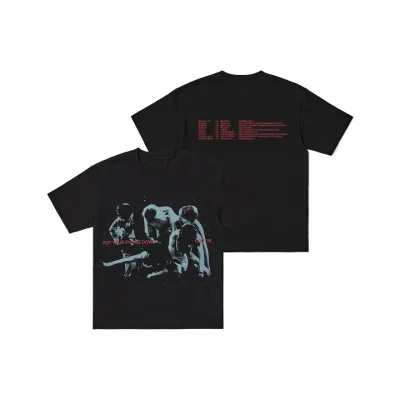
Prices are valid at publication and may change. Please refer to the product page for the latest price.
Physical Traits of Genuine Cortis Merchandise
Identifying genuine Cortis items requires a methodical approach to inspecting physical and structural details. Official production processes utilize high-grade materials and precise industrial machinery that counterfeiters rarely replicate due to cost constraints.

Print Quality and Material Standards
When examining paper-based Cortis merchandise, such as photocards, notebooks, postcards, and stickers, the weight and texture of the paper are immediate indicators of authenticity. Genuine photocards are typically printed on premium, heavy-weight cardstock, often ranging from 300 to 350 grams per square meter (gsm). This gives the card a sturdy, rigid feel that does not bend easily under light pressure.
The print resolution on authentic items is exceptionally sharp. Official manufacturers use high-end industrial printing presses that render crisp text, smooth color gradients, and vibrant, highly saturated hues without any blurriness. If you examine the print under a magnifying glass, the lines should remain clean and solid. Furthermore, check the cutting edges and corners of the paper goods. Genuine items feature perfectly uniform, clean die-cuts with smooth, rounded corners. There should be no fraying, rough edges, white paper borders from misaligned cutting, or off-center frames.
For stationery items like notebooks or planners, you can perform simple, non-destructive tests to verify material standards. Genuine Cortis paper is engineered for premium writing performance. It exhibits high smoothness and excellent bleed resistance when tested with standard gel pens or fountain inks. The ink drying speed is consistent, and the paper resists feathering. Additionally, check the binding of notebooks; authentic products feature tight, even stitching or perfectly aligned spiral bindings that allow pages to turn smoothly without catching. Always verify the exact dimensions of your item against official specifications, as even a millimeter of deviation in height or width can expose a counterfeit.
Official Packaging and Security Markers
Official packaging serves as the first line of defense against counterfeits. Genuine Cortis products are housed in sturdy, professionally designed packaging that protects the contents during transit. The exterior boxes or sleeves feature high-resolution graphics, clear and legible fine print on the back, and secure, tamper-evident seals.
A key feature to look for is the presence of official security markers. Many authentic Cortis releases include proprietary holographic stickers, embossed brand logos, or metallic foil stamps on the packaging or the items themselves. These holographic stickers are designed with multi-layered visual depth; when you tilt the package under a light source, the holographic pattern should shift colors smoothly and reveal hidden patterns or serial numbers.
Because security markers and packaging designs can vary between different product batches or release years, it is crucial to cross-reference your items. Check the brand’s official unboxing guides, social media announcements, or community-verified databases to confirm which specific security seals were utilized for your particular product batch.
Common Red Flags in Counterfeit Cortis Products
Counterfeiters operate on thin margins and prioritize rapid, low-cost production. As a result, fake Cortis merchandise almost always betrays itself through distinct visual, tactile, and financial anomalies.
One of the most prominent visual warning signs of a counterfeit is poor print reproduction. Because replica makers often scan original photocards or graphics to create their printing plates, the resulting copies suffer from generation loss. This manifests as pixelated text, blurry details, and unnatural color shifts—such as skin tones appearing overly orange or washed out. If you look closely at smooth areas of color on a fake item, you will often spot halftone patterns, which are tiny, visible printing dots used by low-grade commercial printers to mimic solid gradients. Tactilely, fake items feel noticeably flimsy, using thin paper that easily creases, tears, or warps when exposed to normal humidity.
Packaging flaws are equally revealing. Carefully inspect the text on the back of the packaging for spelling mistakes, grammatical errors, or missing copyright and licensing information. Counterfeiters frequently use low-quality, crinkly plastic sleeves that feel cheap and tear easily at the seams. Barcodes on fake packaging are often generic, low-resolution prints that fail to scan or do not match official retail databases.
Inspect any security stickers with extreme care. Counterfeit holographic seals usually lack visual depth and fail to change color dynamically when tilted. Instead, they are often flat, silver-printed stickers that merely mimic the reflective look of a true hologram.
Finally, pay close attention to pricing anomalies. Genuine Cortis merchandise carries a standard retail value reflecting its production quality and licensing. If you encounter a highly sought-after, rare, or long-sold-out item listed on third-party e-commerce platforms or social media storefronts for a price that seems too good to be true—such as a rare photocard priced at S$5 when its market value is closer to S$40—it is highly likely to be a counterfeit. Genuine sellers rarely price highly collectible items significantly below standard market rates.
How to Verify Your Cortis Merch Officially
When physical inspection alone leaves room for doubt, you can leverage official verification channels and digital tools to confirm the authenticity of your Cortis merchandise. Many modern idol merchandise brands integrate digital tracking to protect their intellectual property.
First, check if your product packaging features a unique QR code or a hidden serial number. If present, use your smartphone to scan the code. This should direct you to the brand’s official, secure verification portal where the serial number can be validated. Always verify the website’s URL in your browser’s address bar to ensure you have not been redirected to a sophisticated phishing site designed to mimic the official brand portal. Legitimate verification sites will have secure HTTPS protocols and match the official domain of the manufacturer.
Another effective method is to perform a direct visual comparison. Access high-resolution official promotional images or verified unboxing videos published on the brand’s official social media channels. Compare the placement of logos, the exact shades of color, the alignment of text, and the overall layout of your item against these official reference points.
If you still have doubts after completing these steps, compile clear, well-lit, high-resolution photographs of your item. Capture close-up shots of the print details, the edges, the packaging text, and any security markers. Reach out directly to the brand’s official customer support team via their verified website, attaching these images and requesting an authenticity check. Official support channels are typically equipped to assist collectors in identifying unauthorized replicas.
Trusted Channels to Buy Authentic Cortis Merch
The most effective way to avoid counterfeit merchandise is to establish safe purchasing habits and buy only from verified sources. Navigating the retail landscape with caution significantly minimizes your risk of receiving a fake product.
Whenever possible, purchase your items directly from the official Cortis online store or official brand storefronts hosted on major, reputable e-commerce platforms. If you prefer shopping in person, visit authorized physical retail partners who maintain direct distribution agreements with the brand. These channels guarantee that the merchandise is sourced directly from the manufacturer.
When shopping on third-party online marketplaces, take time to evaluate the seller’s profile. Prioritize sellers who hold “official store” or “authorized reseller” badges, as these platforms verify business credentials. Carefully read recent buyer reviews, paying close attention to feedback that specifically mentions the authenticity and packaging quality of the items received. A reputable seller will have a consistent history of positive ratings and transparent communication.
Conversely, exercise extreme caution when dealing with unverified social media accounts, individual sellers on forum marketplaces, or unofficial group buys that lack transparent sourcing documentation. Be particularly wary of listings that use terms like “custom made,” “unofficial replica,” “fan-made,” or “replica version.” While these terms are sometimes used to bypass platform counterfeit policies, they explicitly indicate that the product is not genuine Cortis merchandise.
Steps to Take If You Receive a Fake Item
Discovering that you have received a counterfeit item can be incredibly frustrating, but taking prompt, structured action can help you recover your funds and protect the wider collecting community.
First, immediately stop using or handling the item to prevent any wear and tear. Keep all original packaging, shipping labels, invoices, and any digital communication you have had with the seller. These items serve as crucial evidence for your dispute.
Next, initiate a formal return or dispute process through the e-commerce platform where the purchase was made. Do not attempt to resolve the issue privately with the seller if the platform offers a built-in buyer protection program. When filing the dispute, select “counterfeit item” or “item not as described” as the primary reason.
Provide clear, well-lit photographic evidence to support your claim. Submit side-by-side comparison photos showing the flaws of the received item—such as pixelated printing, incorrect dimensions, or a flat, non-reflective security sticker—against the genuine physical traits outlined in this guide. Finally, report the seller’s storefront to the e-commerce platform’s administration. Reporting unauthorized sellers helps platforms flag fraudulent accounts, keeping the marketplace safer for all collectors.
Frequently Asked Questions (FAQ)
Is Cortis merch without a holographic sticker always fake?
No, the absence of a holographic sticker does not automatically mean the item is counterfeit. While many official merchandise lines utilize holographic seals as a primary security feature, manufacturers occasionally adjust their packaging designs across different production runs, regions, or product categories. Some smaller stationery items or promotional goods may not feature these stickers at all. To confirm, check the official product listing or verified unboxing videos for that specific release. However, if a holographic sticker is a documented standard inclusion for your specific item and is missing, or if the item displays other physical red flags like poor print quality, you should treat it as highly suspicious.
How can I verify authenticity when buying second-hand Cortis items?
When purchasing pre-owned Cortis items from individual sellers in secondary markets, start by requesting high-resolution, well-lit photos of the item’s front, back, edges, and any security markers. Ask the seller to place a piece of paper with their username and the current date next to the item to prove they physically possess it. Additionally, request proof of purchase, such as a copy of the original digital receipt or order confirmation email from an official retailer. Finally, always use secure payment methods that offer robust buyer protection, and avoid direct bank transfers or untraceable payment apps that leave you with no recourse if the item turns out to be counterfeit.
Community discussion
Share your experience or ask a question. Comments are reviewed before publication.