
Spotting authentic BTS merchandise in Singapore requires a keen eye, especially when browsing independent Korean lifestyle outlets. When shopping at local retailers like Arirang, BTS fans must know how to distinguish genuine items from counterfeit replicas. While official platforms offer guaranteed authenticity, local collectors often visit physical shops for immediate access to albums, photocards, and lifestyle goods. Distinguishing between official merchandise and high-grade counterfeits depends on evaluating physical markers, such as paper stock density, print registration, holographic security stickers, and packaging structural integrity. By understanding these key physical characteristics, collectors can confidently verify their purchases directly on the shop floor.
Understanding the Risks of Counterfeit K-Pop Merchandise
The global popularity of BTS has created an expansive market for memorabilia, which in turn has driven a sophisticated industry of unauthorized replicas. In Singapore, fans frequently seek out physical retail spaces to experience the excitement of unboxing albums or selecting photocards in person. While dedicated Korean cultural and lifestyle stores offer a convenient alternative to international shipping fees, not all third-party retailers source their inventory directly from official distributors like HYBE or Weverse Shop.
Counterfeit items are no longer limited to poorly printed posters or obviously flawed apparel. Modern replica manufacturers utilize high-resolution scanning and advanced digital printing to produce high-grade fakes that closely mimic official goods. These replicas often slip into the supply chains of independent wholesalers, meaning even well-intentioned local shops may inadvertently stock unauthorized items. For collectors, purchasing a counterfeit product not only results in a loss of financial value but also fails to support the artists directly, making rigorous in-store inspection essential.
Products mentioned in this guide
![BTS - 5th Full Album [ ARIRANG ] Standard ver.](https://img.lazcdn.com/g/ff/kf/S74f85e99c1844b16b6f1867c64b6f9ab3.jpg_400x400q80.jpg_.webp)
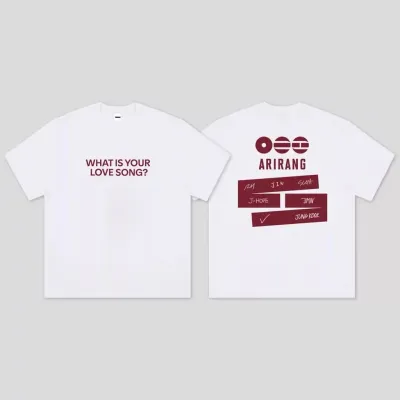
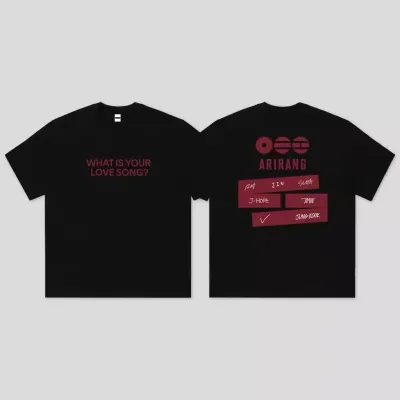
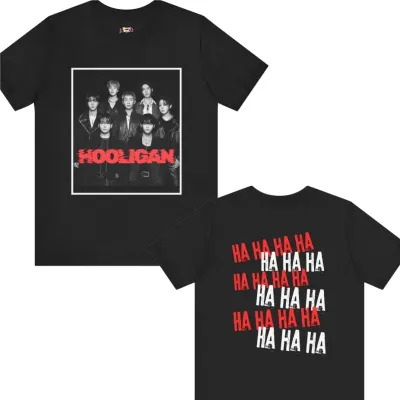
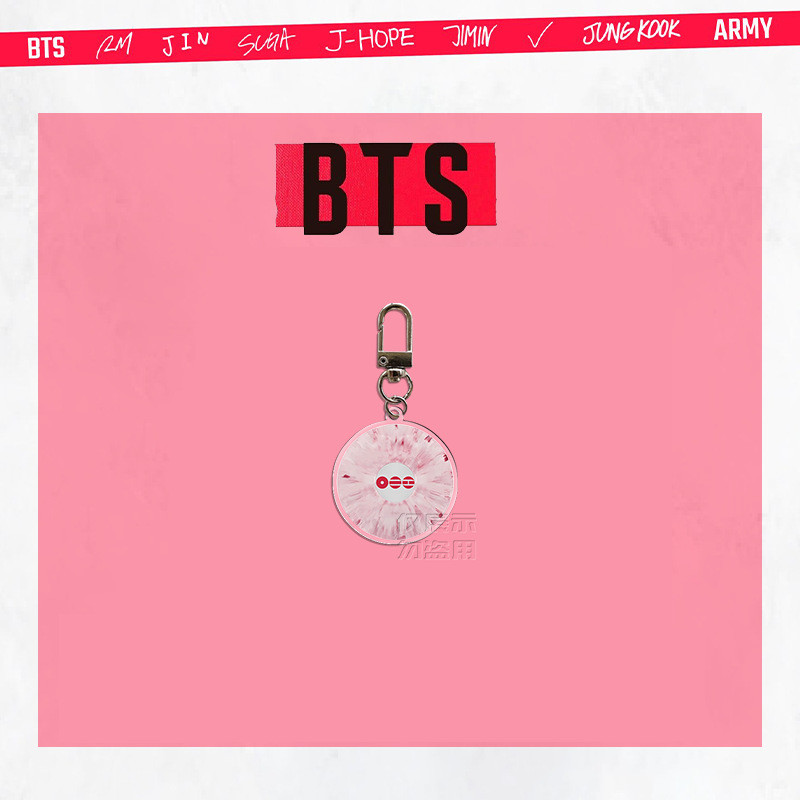
Prices are valid at publication and may change. Please refer to the product page for the latest price.
Key Authenticity Markers for Official BTS Merchandise
Packaging, Paper Stock, and Print Quality
Official BTS stationery, photo books, and photocards are manufactured using high-specification industrial printing presses that maintain strict quality control. Official photocards are typically printed on premium paper stock with a high basis weight (often between 300 to 350 gsm), giving them a rigid, substantial feel. When held gently between the fingers, a genuine card resists bending and does not feel flimsy or easily creased. The surface finish—whether matte, glossy, or laminated—is applied uniformly across the entire batch, without sticky residues or uneven texture.

Print quality serves as a primary differentiator. Genuine merchandise is printed using high-resolution offset lithography, which produces continuous, smooth color gradients and sharp details, even in the fine lines of the members’ eyes or hair. Under close inspection, there should be no visible halftone dots, color banding, or pixelation, which are common hallmarks of digital home printing or scans of official images. Furthermore, the cutting and trimming of paper goods are executed with industrial precision. Official photocards feature perfectly rounded corners with clean, smooth edges, lacking any paper fibers, fraying, or tiny registration tabs that indicate hand-cutting or low-tolerance die presses.
Official Tags, Holograms, and Barcodes
To protect their intellectual property, HYBE utilizes specialized security features on all official merchandise. The most prominent of these is the official holographic sticker, which is typically affixed to the back of albums, DVD packages, and larger collectible items. A genuine hologram reacts dynamically to light, shifting colors smoothly and revealing intricate embedded patterns, such as the official BTS or HYBE logos, rather than a generic, static rainbow reflection.
The structure of the barcodes and SKU numbers on the packaging must also align with official manufacturing standards. Genuine products feature crisp, high-contrast barcodes that are easily scanned, with numbers that match the specific regional release and product classification. Branded packaging itself is a testament to quality; the official BTS logo, trademark symbols, and copyright text are printed with absolute clarity, using the group’s precise proprietary fonts. Counterfeiters often struggle to replicate these exact typefaces, resulting in slight variations in letter spacing, line weight, or font style.
Common Red Flags in Fake BTS Products
Identifying counterfeit merchandise during an in-store visit requires a systematic comparison of visual and physical elements. One of the most reliable indicators of a replica is color discrepancy. Because counterfeiters often scan original printed photos to create their printing plates, the resulting images suffer from generational loss. This manifests as overly saturated skin tones, unnatural orange or pink tints, or washed-out backgrounds that lack the depth and warmth of the official promotional images.
Structural flaws in the packaging also signal a counterfeit. Official albums and box sets are designed to protect their contents, utilizing sturdy cardboard and precise folding lines. If an album box feels light, collapses easily under gentle pressure, or has loose glue seams, it is highly likely to be a replica. Additionally, typographical errors are remarkably common on fake goods. Shoppers should carefully read the copyright notices and tracklists on the back of packaging; misspelled member names, incorrect album titles, or grammatical errors in the English or Korean text are definitive proof of unauthorized production.
Another critical red flag is the state of the security hologram. If the sticker is missing entirely from a product that normally carries one, or if it is peeling at the corners due to low-grade adhesive, caution is warranted. Fake holograms often display generic geometric patterns instead of the official corporate logos, or they may simply be metallic stickers that do not shift colors when tilted. Finally, check the physical dimensions of the item; unofficial goods frequently deviate from the standardized dimensions published on official platforms, resulting in cards or books that are slightly too small or irregularly shaped.
Practical Verification Steps Before Checkout
Before making a purchase at any independent retailer, collectors can perform several non-destructive tests right in the store. Carrying a smartphone with a functional flashlight is highly beneficial. By shining the light directly through a photocard, you can assess the opacity of the paper stock. Genuine cards often contain a dense inner core layer that limits light transmission, whereas counterfeit cards printed on standard single-layer cardstock will appear highly translucent, allowing the light to pass through easily.
Another effective method is real-time comparison. Open the official Weverse Shop app or the verified social media channels of BTS on your smartphone to view high-resolution product photos. Compare the layout, color balance, font placement, and overall composition of the physical item in your hands with the official digital images. Pay close attention to the positioning of logos relative to the edges of the card or packaging.
For physical albums and lightsticks, evaluate the weight and balance of the product. Counterfeit manufacturers reduce production costs by using cheaper, thinner plastics and lightweight electronic components. If a lightstick feels unusually light in the hand, has rattling internal parts, or features a battery compartment with loose, poorly soldered contacts, it should not be purchased. Remember that no single visual cue is foolproof; verifying authenticity requires evaluating the material quality, print precision, and security features collectively.
Navigating Purchase Channels in Singapore: From Official Outlets to Arirang BTS Options
When shopping for BTS merchandise in Singapore, understanding the retail landscape helps manage expectations and minimize risk. The most secure method of acquiring authentic goods is through official channels, such as the Weverse Shop, authorized local pop-up events organized by HYBE, or official brand partnerships with major retail chains. These channels offer direct supply chain transparency, ensuring that every cent spent supports the artist.
Independent Korean cultural and lifestyle stores, such as Arirang, occupy a different space in the market. These stores provide immediate local access to physical products, allowing fans to avoid international shipping fees and wait times. However, because these retailers operate independently of official distribution networks, they often rely on parallel imports or third-party wholesalers to source their stock. While many of these parallel imports are genuine items purchased from retail outlets in South Korea, the lack of a direct supply chain guarantee means the responsibility of verifying authenticity ultimately lies with the shopper. When browsing in these stores, do not hesitate to ask the staff about the origin of their inventory, and always ensure you receive a detailed physical receipt that clearly lists the product name.
What to Do If You Suspect a Counterfeit Purchase
If you discover that you have purchased a counterfeit item after leaving the store, swift action is necessary to protect your consumer rights. Begin by gathering all physical evidence, including the item itself, its complete packaging, and the original store receipt. Take clear, high-resolution photographs of the specific discrepancies you identified, such as misspelled words, low-quality printing, or a faulty holographic sticker, and document how they compare to official specifications.
Return to the retail store as soon as possible to present your findings to the manager or customer service representative. Politely explain the authenticity issues and request a full refund or an exchange for a verified authentic product. If the retailer is uncooperative or refuses to acknowledge the counterfeit nature of the item, consumers in Singapore can seek assistance and mediation through the Consumers Association of Singapore (CASE). Additionally, if the purchase was made using a credit card, you may contact your bank to initiate a chargeback dispute based on the sale of counterfeit goods.
Frequently Asked Questions (FAQ)
How can I tell if a BTS photocard is fake?
To determine if a BTS photocard is fake, perform the light opacity test and inspect the edges. Genuine photocards are made from dense, multi-layered paper stock that blocks significant light, whereas replicas are often highly translucent. Additionally, official cards feature smooth, machine-cut rounded corners, whereas fakes may display rough edges, tiny paper fibers, or uneven borders from manual cutting. Always verify that the copyright text and logos on the back of the card match the official album design precisely.
Are third-party Korean stores in Singapore authorized to sell BTS merchandise?
Unless a retail store is explicitly announced as an official partner or authorized distributor by HYBE or Weverse Shop, it operates as an independent third-party retailer. While these stores frequently sell genuine parallel-imported merchandise sourced from South Korean distributors, they do not possess direct official supply chain guarantees. Consequently, shoppers must exercise diligence and verify the physical authenticity markers of the products before completing their purchase.
Community discussion
Share your experience or ask a question. Comments are reviewed before publication.